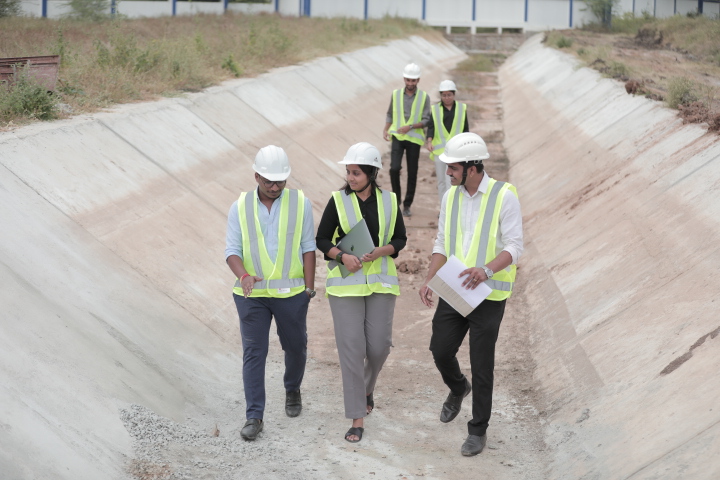
A project site functions like a live laboratory. When timelines tighten, methods evolve and teams must make decisions quickly, technical expertise alone is no longer enough. Engineers are increasingly expected to understand planning, costs and risk alongside execution. An mtech in construction technology and management bridges this gap by combining advanced engineering knowledge with applied project management skills.


Why this specialisation matters

The construction sector is evolving through digitalisation, larger infrastructure programmes and stricter performance benchmarks. Engineers now need to plan efficiently, manage budgets and anticipate risks across the project lifecycle. The MTech programme addresses these realities by integrating construction technology with management frameworks that support better decision making on active projects.

For those considering a civil engineering specialisation, this pathway offers exposure to both advanced construction practices and managerial responsibility.

Curriculum built for applied learning

The programme structure blends technical depth with management relevance. Core courses focus on construction methods, advanced materials, and structural systems alongside construction planning and scheduling, quantity surveying and contract administration, and project cost management. These subjects help students connect engineering decisions with schedule impact and financial outcomes.

As students progress, electives allow deeper focus on sectoral needs. Options may include transportation infrastructure, advanced building systems, and modern construction techniques. This approach ensures learning stays aligned with careers in construction management rather than remaining purely academic.

Studio labs and digital competence

Hands-on learning is an essential part of the academic experience. Studio labs introduce BIM workflows where students extract quantities, coordinate models and identify constructability issues. Scheduling labs focus on developing realistic work programmes using industry tools.

This practical exposure strengthens skills in construction planning and scheduling and helps students gain confidence in handling real project data. Employers increasingly value graduates who can move comfortably between drawings, models and execution plans.

Managing risk, cost and contracts

Modern construction projects carry financial and contractual complexity. This programme develops capability in risk analysis in project management, claims awareness and cost control. Students learn how delays, scope changes and procurement decisions influence budgets and delivery timelines.

Quantity surveying and contract management modules prepare graduates to support negotiations, variation assessments and dispute mitigation. Together, these skills strengthen project cost management abilities and support leadership roles in complex environments.

Industry engagement and research focus

Internships and project-based research are integral to the programme. Students apply classroom concepts to real construction challenges through structured industry exposure and extended project work. The final dissertation or project typically focuses on solving an industry-relevant problem, reinforcing both analytical depth and practical relevance.

This combination of applied research and industrial exposure supports smoother transitions into professional roles after graduation.

Career pathways after MTech CTM

Graduates move into roles that demand both technical and managerial capability. Common career paths include project planning engineer, contracts engineer, quantity surveyor, cost controller and technical specialist roles in infrastructure and building projects.

For those seeking long-term growth, the degree opens opportunities in consulting, project controls and leadership positions across large construction and infrastructure organisations. These outcomes make it a strong option for engineers evaluating civil engineering specialisation courses with clear industry alignment.

Who should consider this programme

The MTech in Construction Technology and Management suits civil engineers and allied professionals who want to deepen technical expertise while gaining broader project responsibility. It is particularly relevant for those who aim to lead teams, manage costs and control schedules rather than remain limited to execution roles.

Final perspective

As projects grow in scale and complexity, engineers who understand both construction technology and management systems stand out. An MTech in construction technology and management develops that dual capability through applied learning, digital tools and industry-linked research. For future engineers focused on leadership roles in the built environment, the programme offers a practical and forward-looking path.

Related Articles