An MBA in Sustainable Energy trains managers to design, finance and deliver low-carbon projects in industry, utilities and government. NICMAR’s MBA in Sustainable Energy Management pairs engineering fundamentals with business skills and hands-on experience so graduates can tackle real problems, from sizing solar plants to creating investment-ready proposals for distributed energy. The programme emphasises practical outcomes and places students where technical knowledge meets commercial decision making.

Who should apply

This programme fits people who already understand engineering basics and want to move into energy-focused managerial roles. Typical applicants are recent engineering graduates, junior engineers from utilities or infrastructure firms and professionals from project development teams who want to add business and finance capabilities. If you enjoy site visits, solving operational bottlenecks and translating technical studies into budgets and timelines, this course will be directly relevant. Students who come in with even a small amount of hands-on exposure — for example a short internship at a plant or a coursework project on energy systems — will progress faster through the practical modules.

Curriculum summary

NICMAR’s two-year, four-semester MBA in Sustainable Energy combines management core courses with specialised energy modules and applied work. Core management subjects cover finance, project management and operations. Energy topics address power systems basics, renewables integration, energy auditing and conservation, project appraisal and lifecycle assessment. The programme builds technical competence through lab sessions and software workshops, and commercial understanding through courses in project finance and risk assessment. Practical components include an eight-week internship and a final applied industry project that requires delivering a concise technical and financial recommendation. Electives enable deeper study in areas such as energy business analytics, advanced energy management and entrepreneurship in clean energy, making these sustainable energy management courses useful for both technical and non-technical career paths.

Skills graduates acquire from the programme

The programme emphasises competencies employers look for today:

  • Conduct energy audits and assess asset performance

  • Design and model renewable energy systems with industry tools

  • Analyse energy data to support investment and operational choices

  • Construct project finance models and prepare bankable proposals

  • Draft sustainability plans and prepare ESG disclosures

  • Manage stakeholder engagement, contracts and regulatory compliance

Graduates leave ready to bridge technical judgement with commercial decision making, a combination that improves employability for sustainable energy management jobs.

Practical exposure and applied learning

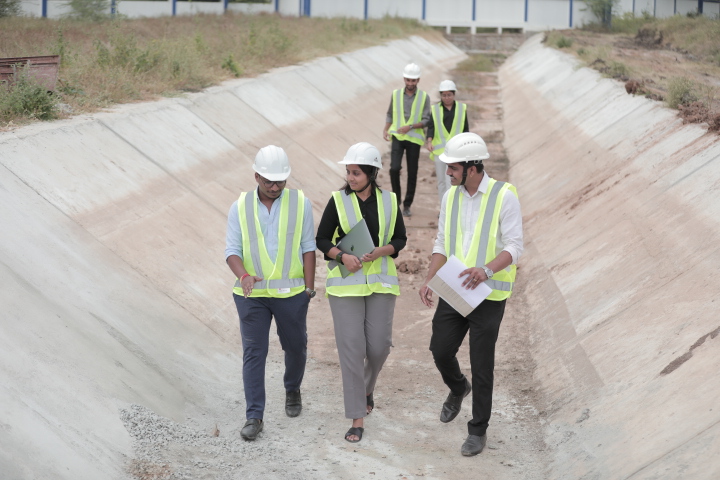
Students work on client projects and site-based assignments that reveal real project constraints such as permitting, grid interconnection and remote logistics. Use of industry-standard software and interaction with project developers and financiers gives learners experience that recruiters value. The applied project in the final semester demonstrates the ability to deliver solutions under commercial and technical constraints.

Career outcomes and green job opportunities

Graduates move into varied roles across the energy ecosystem. Entry and mid-level positions commonly taken include energy manager, project manager for renewable installations, energy analyst and ESG analyst. Employers hiring for these roles range from utilities and renewable project developers to consultancies, infrastructure companies and clean-tech start-ups. For candidates who prefer policy or regulation, openings exist with government programmes and advisory teams. The course’s emphasis on internships and industry projects improves chances of securing placement in sustainable energy management jobs and broader green job opportunities by giving students concrete examples to discuss in interviews and demonstrable work to include on their CV.

How to prepare before joining

To get the most from the programme, strengthen three areas: technical basics, numeracy and practical exposure. Review the fundamentals of electricity systems and simple thermodynamics. Practice spreadsheet modelling and the basics of discounted cash flow so you can follow project finance classes. Try a short internship or a small site visit to observe operations. These steps reduce early friction and let you focus on the applied project work.

Why NICMAR’s approach matters

NICMAR builds the programme around real deliverables rather than abstract theory. Students learn tools and methods they will use on day one, such as energy audit protocols, basic financial modelling and requirements for grid interconnection. Regular contact with project developers and guest sessions from practitioners show how technical trade-offs shape budgets and schedules. That practical emphasis helps graduates make a technical point in a way that business stakeholders understand, which is essential for the sustainable management of energy resources and for winning approvals for new projects.

Conclusion

NICMAR’s MBA in Sustainable Energy Management offers a pragmatic route into careers that combine engineering and finance for the low-carbon transition. The two-year programme balances classroom theory, hands-on labs and industry projects so graduates leave with skills employers can verify immediately. For professionals seeking a pathway into renewables, utilities or sustainability roles, it provides targeted training and clear evidence of applied experience.

Find Answers to Common Queries

A management degree that combines energy technology, policy and business skills to prepare leaders for renewables, energy efficiency programmes and energy policy roles.

Typical topics include energy systems, energy management and conservation, renewable technologies, energy analytics, project appraisal and ESG.

Graduates can pursue energy manager, project manager for renewables, energy analyst, ESG consultant and related positions across utilities, consultancies and start-ups.

It is a two-year, four-semester course that typically includes an internship and a final applied project.

Through practical projects, industry contacts and finance training the programme readies graduates for roles in renewable projects, sustainability teams and energy policy groups.

Related Articles