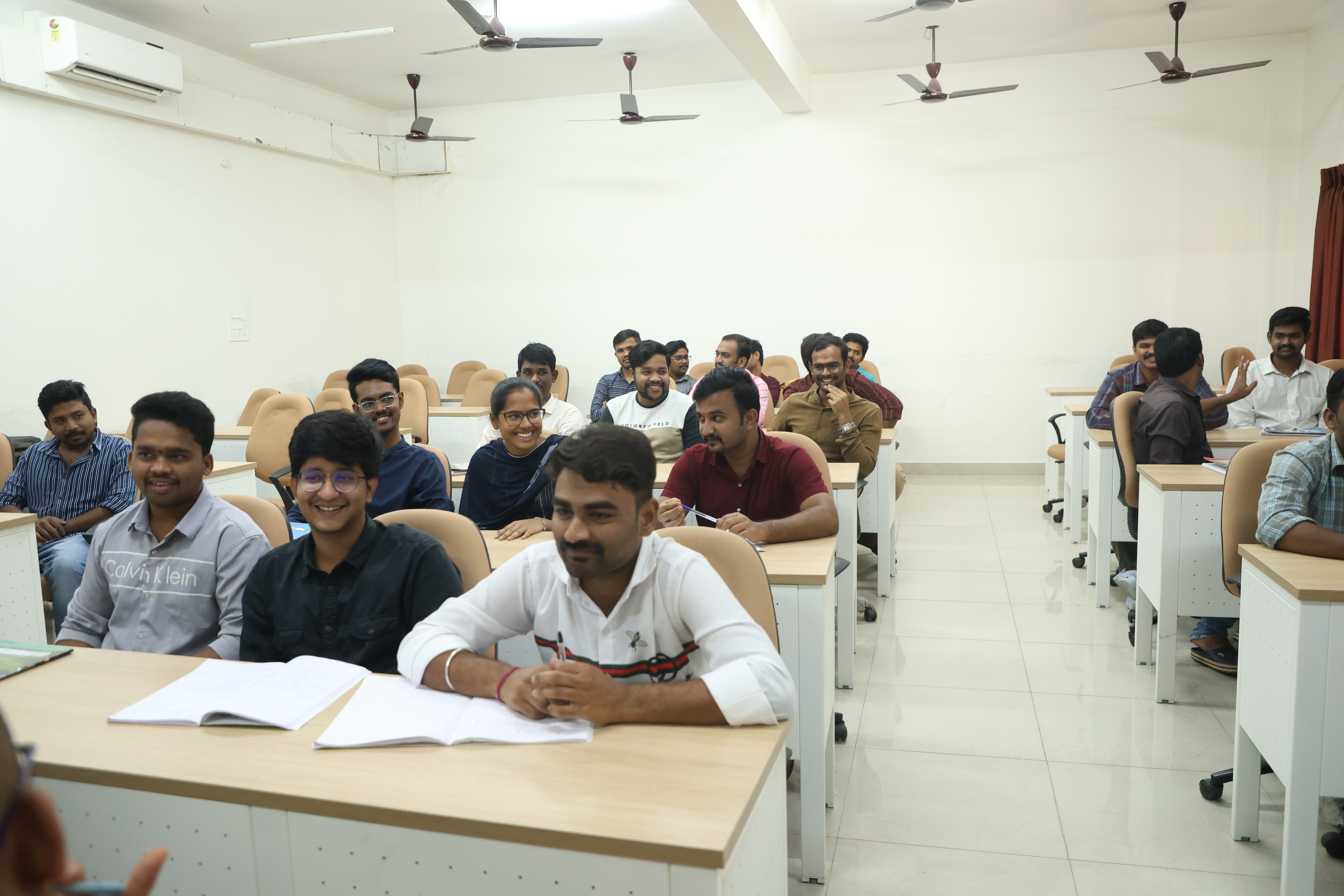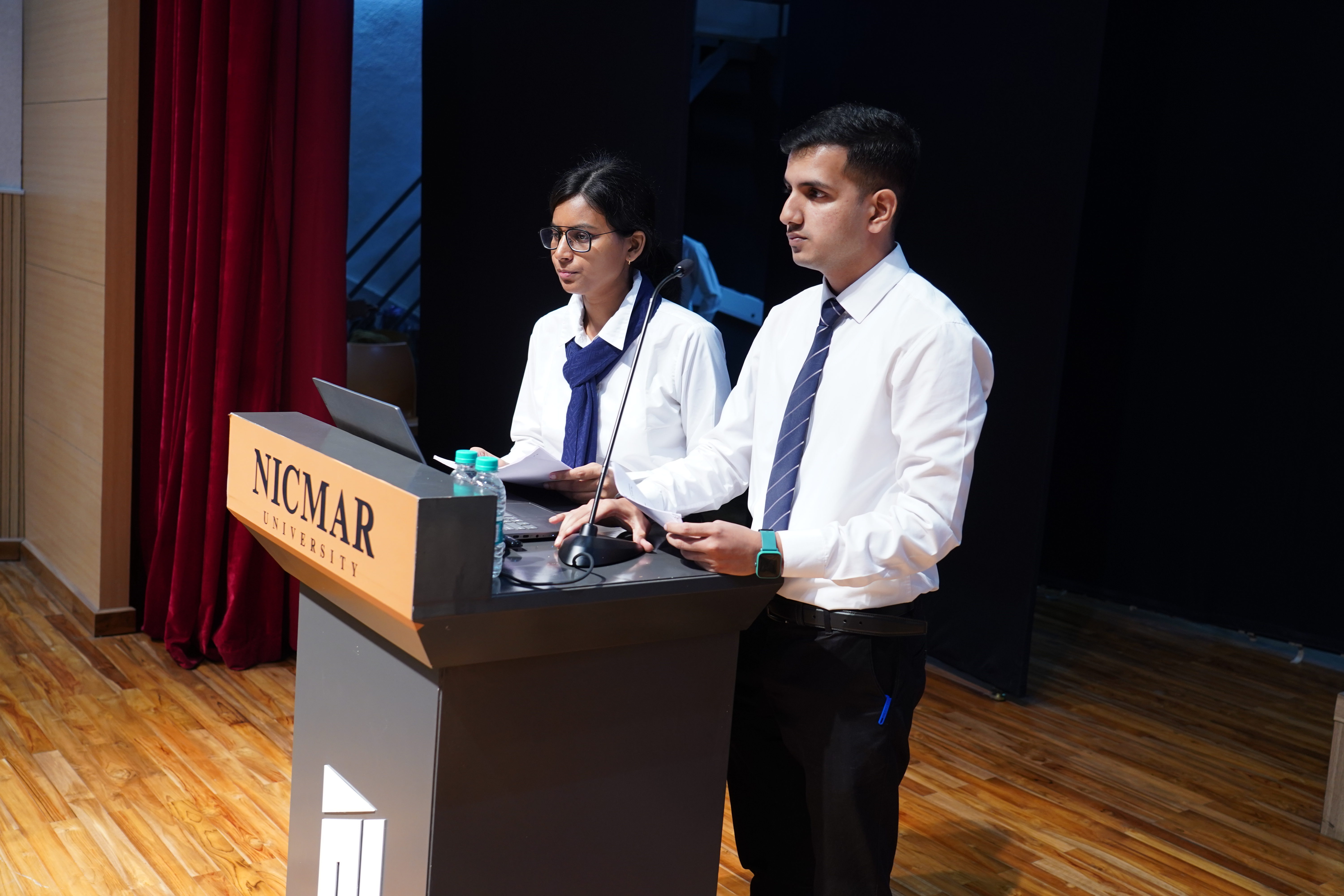
A career in project management does not require an engineering degree to start, though it certainly helps. It requires structured training in scheduling, budgeting, risk and stakeholder management, the kind NICMAR builds through its MBA and M.Tech. programmes.

Project management careers span far more than construction sites. The same core skills apply to IT rollouts, energy projects, real estate development and manufacturing, which is why the field increasingly draws graduates from every background, not just civil engineering. Choosing the right specialised education depends on where you are starting from and what kind of projects you want to run.

Key Takeaways

  • Project management careers span construction, infrastructure, IT, energy and manufacturing, and increasingly draw graduates from any academic background, not just engineering.

  • Construction management courses focus specifically on the built environment, while general project management courses apply across industries.

  • NICMAR offers project management education through two routes: an MBA at Pune and Hyderabad, and an M.Tech. in Infrastructure Project Management at Pune.

  • Eligibility for NICMAR's MBA in Project Engineering & Management at Pune requires a bachelor's degree in engineering, architecture, design or planning from a recognised institution, with a minimum 50% aggregate.

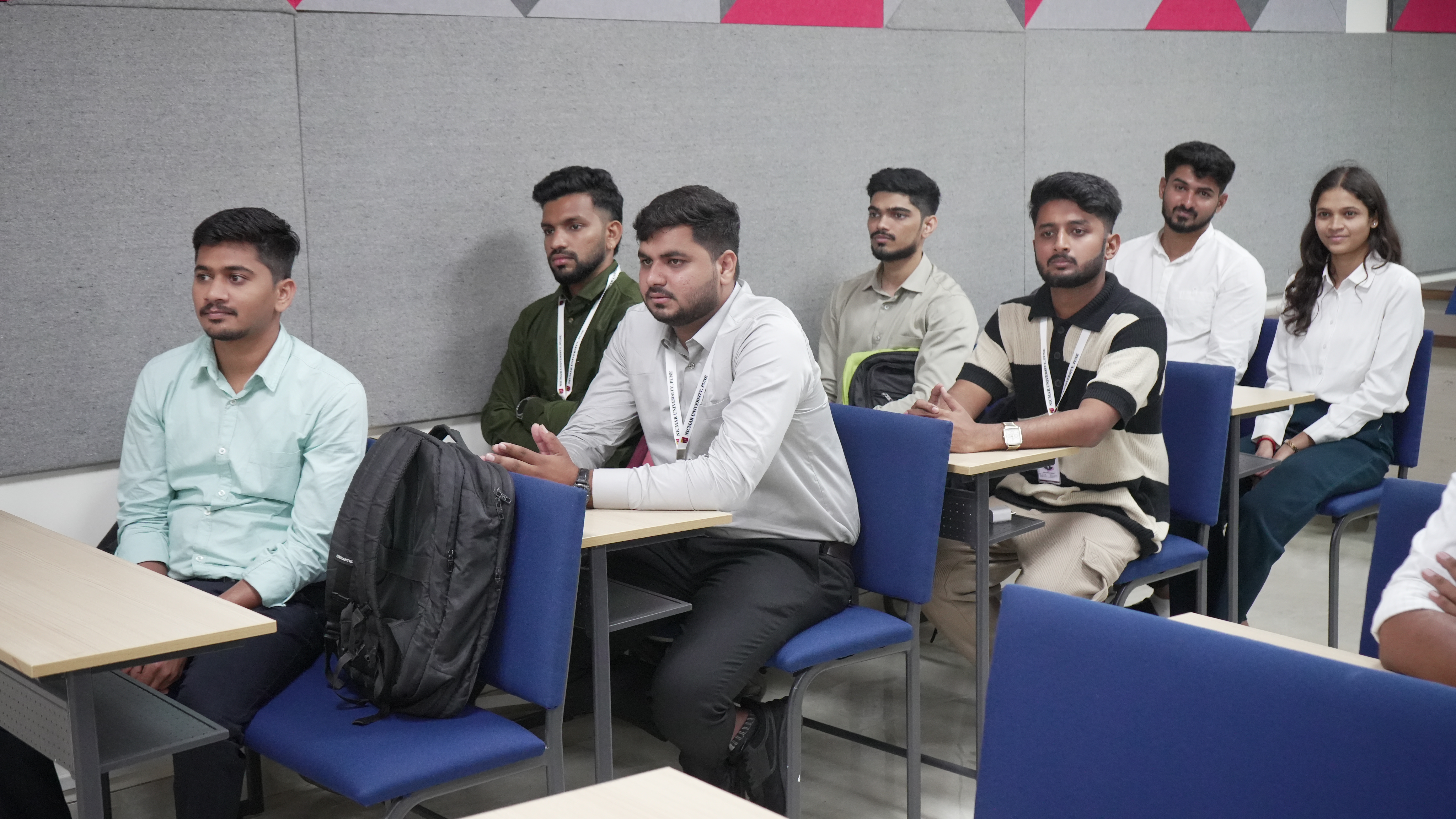
What Does a Career in Project Management Actually Look Like?

Project management career opportunities exist wherever complex work needs coordinating: construction sites, IT rollouts, renewable energy plants, manufacturing lines and infrastructure programmes. A project manager does not design the product or build the structure. They plan the schedule, control the budget, manage risk, and keep every team and vendor moving toward the same deadline.

Entry-level project management careers usually start as project coordinator, planning engineer or assistant project manager roles, then move toward project lead and programme manager positions with experience. Salaries and seniority scale with the size and complexity of the projects handled, not just years on the job, which is part of why formal project management education matters early: it compresses years of on-the-job learning about scheduling, contracts and risk into a structured programme.

Construction Management Courses or General Project Management Courses?

Not every project management course teaches the same skills for the same industries. Construction management courses focus specifically on the built environment: estimation, tendering, site logistics, contract law under Indian construction regulations, and coordination between architects, contractors and clients. General project management courses, by contrast, teach transferable frameworks, risk management, stakeholder communication, agile and predictive methodologies, that apply whether the project is a highway or a software rollout.

This is also where postgraduate project management courses start to diverge by entry requirement. Some, like most construction-focused MBAs, expect an engineering or related technical background. Others accept graduates from any discipline, which matters for anyone searching for project management courses for beginners with no prior technical training.

Project Management Courses in Pune and Hyderabad: What NICMAR Offers Where

NICMAR runs project management education from multiple campuses, and the exact programme depends on which one you apply to.

For project management courses in Pune, NICMAR offers the MBA in Project Engineering & Management (PEM), which covers project controls, risk and claims management, digital tools and performance analytics, and the M.Tech. in Infrastructure Project Management, a more technical route that focuses on large-scale infrastructure delivery.

For project management courses in Hyderabad, NICMAR runs its own MBA in Advanced Project Management, covering planning, scheduling, budgeting, risk management, quality control and contract management, alongside the MBA in Advanced Construction Management on the same campus. Anyone specifically searching for construction-related project management courses in Pune should note that Pune's MBA in Project Engineering & Management stays closely tied to construction and infrastructure delivery, while Hyderabad's MBA in Advanced Project Management extends the same project-management skillset into sectors beyond construction as well.

MBA in Project Engineering & Management or MBA in Advanced Project Management: Which Should You Choose?

NICMAR runs two distinct project-management MBAs, one at each campus, and the difference is less about construction versus non-construction and more about how far the programme reaches beyond a single project.

Pune's MBA in Project Engineering & Management builds project controls, scheduling, cost engineering and contract management skills with a strong grounding in construction and infrastructure delivery, the sector NICMAR itself grew out of. Hyderabad's MBA in Advanced Project Management covers much of the same core, project controls, risk and claims management, digital project tools and performance analytics, but applies it more explicitly across sectors including oil and gas, manufacturing, IT and energy, alongside construction.

Engineers who know their career will stay close to construction and infrastructure get more direct value from Pune's programme. Engineers who want the option to move into project leadership roles outside construction later get more flexibility from Hyderabad's.

Is a Project Management Professional Course the Same as PMP Certification?

No, and the distinction matters. A project management professional course usually refers to structured training, in a classroom or online, that prepares candidates for the PMP certification exam, which the Project Management Institute (PMI) administers globally. PMP itself is not a degree. It is a certification that requires documented project experience, a set number of formal project management education hours, and a passing exam score.

NICMAR's project management programmes are not PMP courses themselves. Coursework at institutions with recognised project management accreditation generally aligns with the standards PMI uses to evaluate project management education, which can support eligibility when a graduate later applies for PMP certification with the required work experience.

Matching the Programme to the Career

The fastest way to choose among NICMAR's project management programmes is to decide two things first: whether your career will stay close to construction or range across industries, and which campus fits your other priorities. Construction-focused careers point toward the MBA in Advanced Construction Management. Project leadership rooted in construction and infrastructure points toward Pune's MBA in Project Engineering & Management. Broader, cross-sector project leadership points toward Hyderabad's MBA in Advanced Project Management.

Find Answers to Common Queries

Civil engineers moving into project management typically find the strongest opportunities in construction and infrastructure delivery, roles like project planner, project controls manager or programme manager, though the same MBA training also opens doors into real estate, energy and industrial project management.

Not necessarily, but the two serve different purposes. An MBA in project management builds broad business and leadership skills over two years. A PMP certification is a focused, globally recognised credential that verifies specific project management competency, useful alongside an MBA rather than instead of one, especially for roles outside India.

Most flagship construction management MBAs, including NICMAR's MBA in Advanced Construction Management, expect an engineering, architecture or planning background. Graduates from other disciplines who want to enter construction-adjacent project management usually have better luck with a general project management MBA, then specialise into construction through experience.

Yes. NICMAR's MBA in Project Engineering & Management admits candidates on the strength of their bachelor's degree and aggregate marks, without a separate work-experience requirement. PMP certification is the exception. It requires documented project experience before a candidate can even sit the exam.

Related Articles