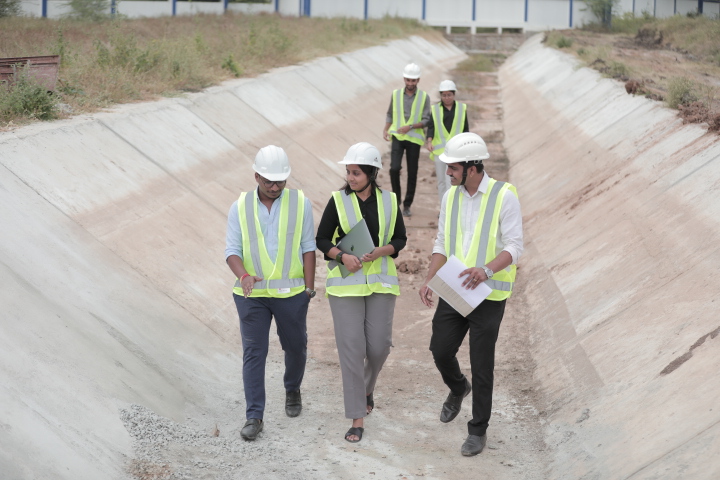
Large infrastructure programmes demand more than technical know how. They require integrated decision making across planning, finance, procurement and long term operations. NICMAR’s M.Tech in Infrastructure Project Management is designed for engineers and project professionals who want to bridge the gap between engineering practice and strategic delivery. The programme equips participants with advanced tools and applied methods that make them effective across the full project life cycle.


Why choose an MTech over an MBA

Many working professionals consider both construction management courses and management degrees. A focused M.Tech differs from a general MBA in emphasis and depth. Where MBA programmes prioritise leadership, market strategy and stakeholder management, the M.Tech places stronger emphasis on systems modelling, technical controls and research methods. This technical depth is essential for professionals who need to solve complex scheduling, claims and integration problems on high value projects.

Core learning areas

The curriculum blends engineering science with project level management. Core subjects typically include advanced project planning and controls, earned value management, construction contract law, procurement strategy and digital delivery with BIM and analytics. Financial modules cover project appraisal, cash flow modelling and public private partnership frameworks. A capstone research project or industry internship converts classroom concepts into practical outcomes that reflect real sector challenges.

Applied learning and skill development

NICMAR pairs academic modules with industry workshops, live projects and internships. Students draft procurement documents, run schedule simulations and prepare financial models under practitioner guidance. These exercises develop hands-on competence in tools and techniques used by owners, contractors and advisors. The programme sits alongside other construction management courses in its practical orientation, but it is distinct in its research intensity and emphasis on infrastructure scale problems.

How this programme complements an MBA in infrastructure management

The M.Tech and an MBA in infrastructure management serve complementary goals. An MBA trains professionals to evaluate strategy, policy and investment at a sector level. The M.Tech trains them to implement and control large projects with technical precision. Professionals who aspire to roles that combine engineering verification with financial structuring will find the M.Tech particularly valuable.

Career outcomes and target roles

Graduates move into a variety of infrastructure and project management positions. Common outcomes include infrastructure project manager roles and responsibilities that cover end to end delivery oversight, schedule and budget control, stakeholder coordination and risk mitigation. Other roles include owner’s engineer, project controls lead, PPP transaction analyst and asset operations manager. Employers for these positions range from large contractors and infrastructure developers to utilities, consulting firms and government project units.

Where to look for infrastructure project manager jobs

Market demand for professionals with combined technical and financial skills remains strong. Job openings appear with engineering procurement and construction firms, independent project management consultancies, infrastructure funds and municipal project cells. Candidates who can demonstrate proficiency in scheduling software, BIM integration and cash flow modelling tend to be more competitive for senior technical roles.

Key points of consideration for applicants

When you prepare your application, highlight project experience that reflects responsibility for schedules, procurement or budget monitoring. Document any exposure to digital delivery tools and financial models. Compare placement statistics and internship partnerships across programmes and assess how well course modules map to the skills you want. Speak with alumni and attend practitioner seminars to understand how the programme translates into on the job impact.

Conclusion

An M.Tech in Infrastructure Project Management is a strategic upskill for professionals who want to move beyond execution and into technical leadership. By combining advanced engineering methods with project finance and procurement skills, the programme readies graduates for hands-on delivery roles and long term asset management. For engineers who want to shape the future of infrastructure and project management, this qualification provides the analytical tools and practical experience needed to succeed.

Related Articles