As businesses, governments and communities respond to climate change, resource stress and regulatory pressure, the demand for professionals who understand both the environment and management is rising sharply. An MBA in Environmental Sustainability is designed for exactly this space. It prepares professionals to take decisions that balance economic growth with environmental responsibility and long-term resilience.

NICMAR’s MBA in Environmental Sustainability is built to develop leaders who can work across policy, infrastructure, manufacturing, consulting and sustainability functions. The programme blends management education with applied environmental science, so graduates are not limited to advisory roles but can also manage projects, investments and organisational change.

What the programme covers and how it is structured

The programme follows a two-year, four-semester structure that integrates management fundamentals with environment-focused subjects. On the management side, students study areas such as finance, marketing, project management, strategy and operations. On the technical side, the focus is on environmental systems, assessment tools and sustainability frameworks.

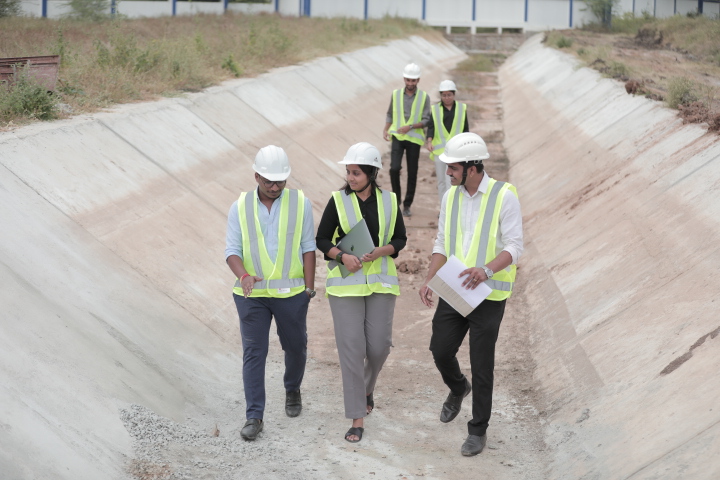
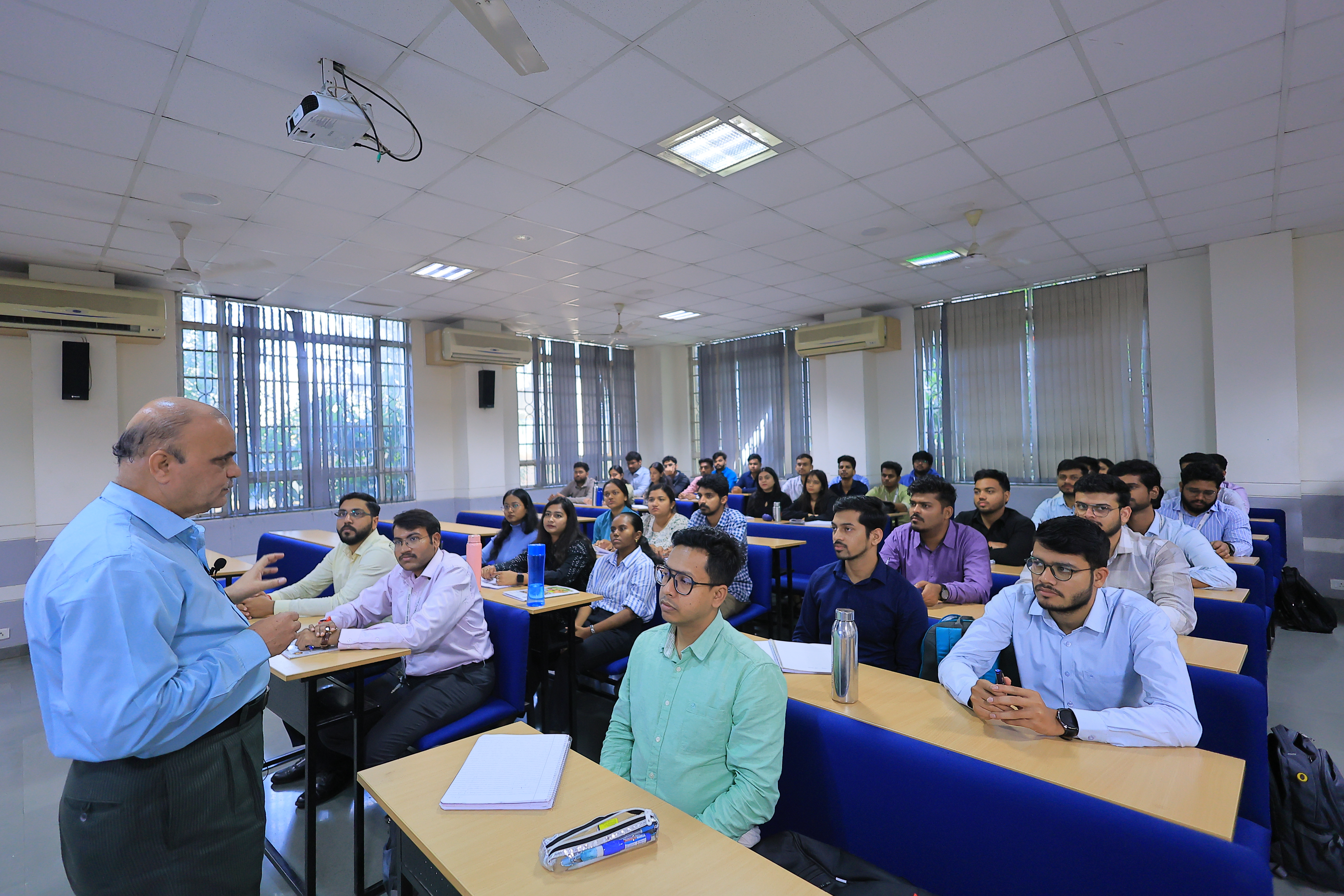
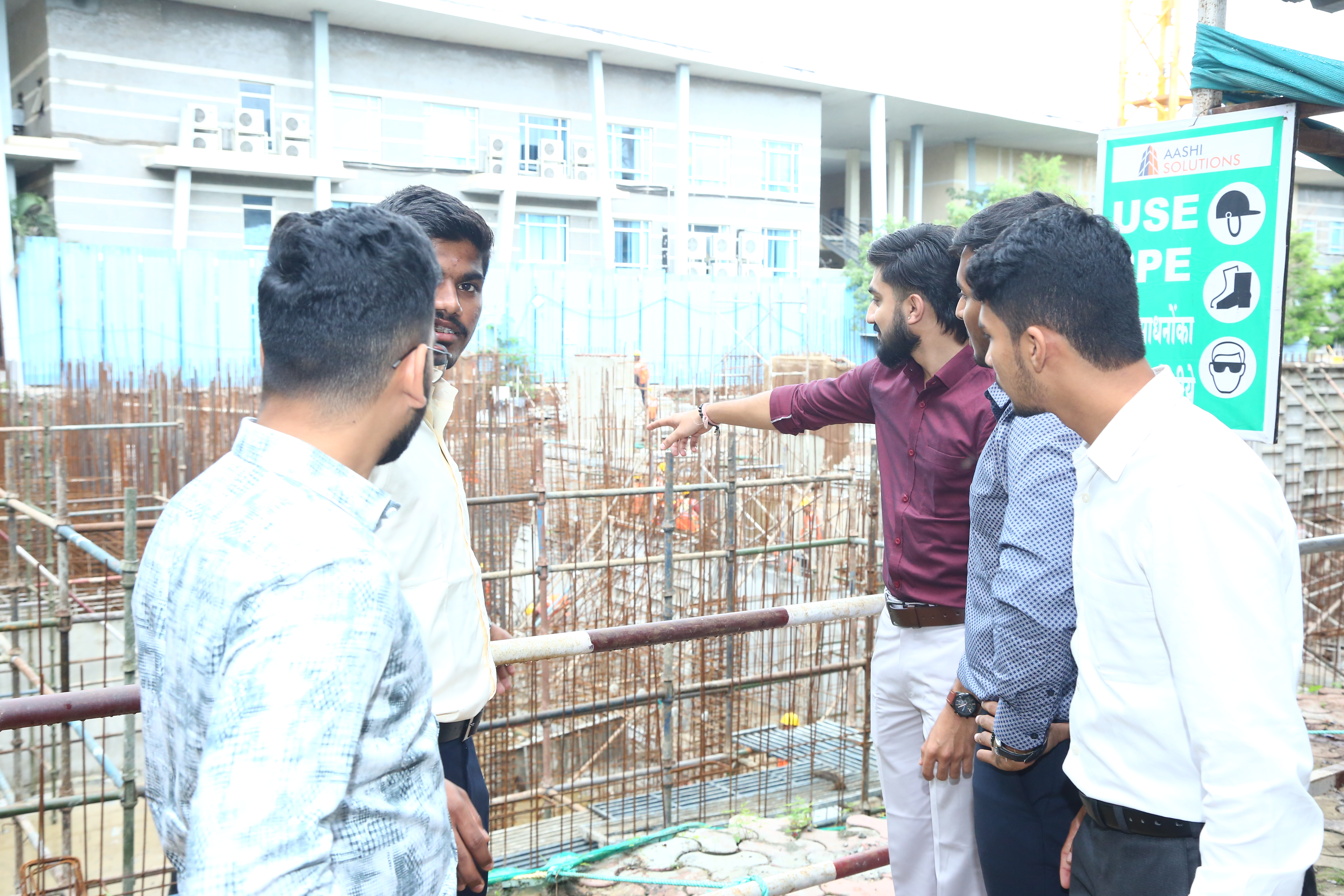
A strong emphasis is placed on practical learning. Students work with lab tools and software, analyse real case studies, and complete an internship along with a final applied industry project. This ensures that environmental sustainability courses are not limited to classroom theory, but translate into skills that can be used in real organisations.

Subjects that build both technical and business depth

The curriculum is designed to connect scientific assessment with business decision-making. Students are introduced to subjects such as environmental management systems, environmental impact assessment, life cycle assessment and circular economy, pollution monitoring and abatement, and applications of GIS and remote sensing. These are complemented by courses in sustainable finance, integrated reporting, governance and policy.

Electives allow students to explore areas such as water and wastewater management, green supply chains, disaster management, and sustainability governance. This structure allows learners to shape the programme around their career interests while keeping a strong foundation in business sustainability management.

Skills you develop during the programme

Graduates of this programme develop a mix of analytical, technical and managerial skills, including:

  • Conducting environmental audits and impact assessments

  • Using lifecycle thinking to evaluate projects and investments

  • Working with GIS and monitoring tools for environmental analysis

  • Preparing sustainability and ESG reports for organisations

  • Building project justifications that combine technical and financial logic

  • Managing stakeholder consultations and regulatory processes

These skills are critical for professionals working in sustainability and environmental management roles, where decisions must satisfy regulators, investors, communities and business leaders at the same time.

Career outcomes and Environmental Sustainability jobs

The demand for trained sustainability professionals is no longer limited to a few niche sectors. Graduates move into roles such as sustainability manager, environmental consultant, ESG analyst, environmental impact assessment professional, and project manager for sustainability or compliance initiatives.

Employers include infrastructure companies, manufacturing firms, consulting organisations, utilities, real estate developers, policy institutions and clean-technology companies. For those interested in public sector work, there are also opportunities in regulatory bodies and government programmes. This expanding demand explains the growing scope of MBA in Sustainability Management in India and the steady rise in careers in environment and sustainability.

Who should consider this MBA

This programme is well suited for graduates from engineering, science, architecture and related disciplines who want to move into leadership roles in sustainability and environment functions. It is also valuable for early-career professionals working in projects, operations, compliance or consulting who want structured training in sustainability frameworks and environmental assessment.

Students who are comfortable with data, enjoy applied problem-solving and are open to field-based learning tend to gain the most from the programme.

Why environmental stewardship is a hot topic in businesses

Good environmental solutions fail if they cannot be implemented at scale. Today’s organisations need professionals who can evaluate environmental risks, design solutions and also justify them in financial and operational terms. A business education adds exactly this layer.

By combining management training with environmental methods, this MBA prepares graduates to lead initiatives that are both environmentally responsible and commercially viable. This combination is at the core of the benefits of environmental sustainability for modern organisations.

Conclusion

The MBA in Environmental Sustainability at NICMAR is designed for professionals who want to work at the intersection of environment, policy and business. It offers a practical, application-oriented education that prepares graduates for real organisational challenges rather than purely academic roles. As sustainability becomes a central part of corporate and public decision-making, this kind of leadership training is becoming not just relevant, but essential.

Find Answers to Common Queries

It is a management degree that combines environmental science, policy and business skills to prepare professionals for sustainability leadership roles.

They typically include environmental management systems, impact assessment, life cycle assessment, pollution control, GIS applications, sustainable finance and ESG reporting.

Graduates move into roles such as sustainability manager, environmental consultant, ESG analyst, environmental assessment specialist and project manager across private and public sectors.

Related Articles