NICMAR programs for built-environment careers

NICMAR prepares professionals for the built environment through focused programmes, practical training and sustained industry engagement. With campuses in Pune, Hyderabad, Delhi and Mumbai, the institute blends academic rigour with hands-on learning to create career-ready graduates. This article explains what makes NICMAR distinctive, outlines key programmes such as the MBA in Construction Management, Project management, Quantity Surveying etc. courses, and summarises admissions and career support for prospective students.

An Institute Built for Industry Relevance

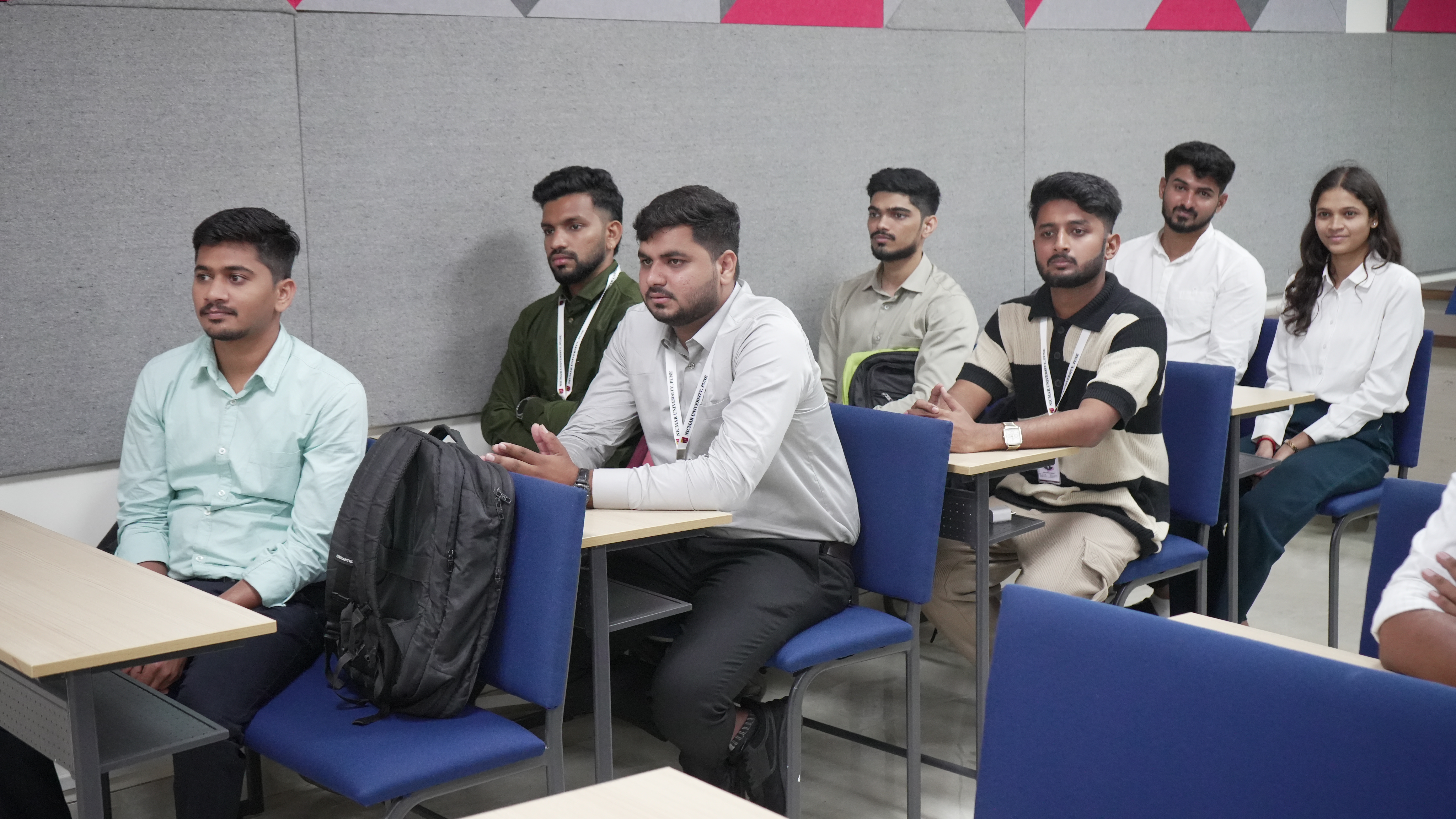
NICMAR Institute focuses on programmes that mirror industry needs. Schools span construction, project management, real estate, energy and architecture. That structure lets courses remain specialised without losing cross-disciplinary context. Core objectives are practical competence, research-led teaching and strong employer links. These elements shape curricula, labs and industry engagements so students graduate with skills employers recognise.

The NICMAR Legacy

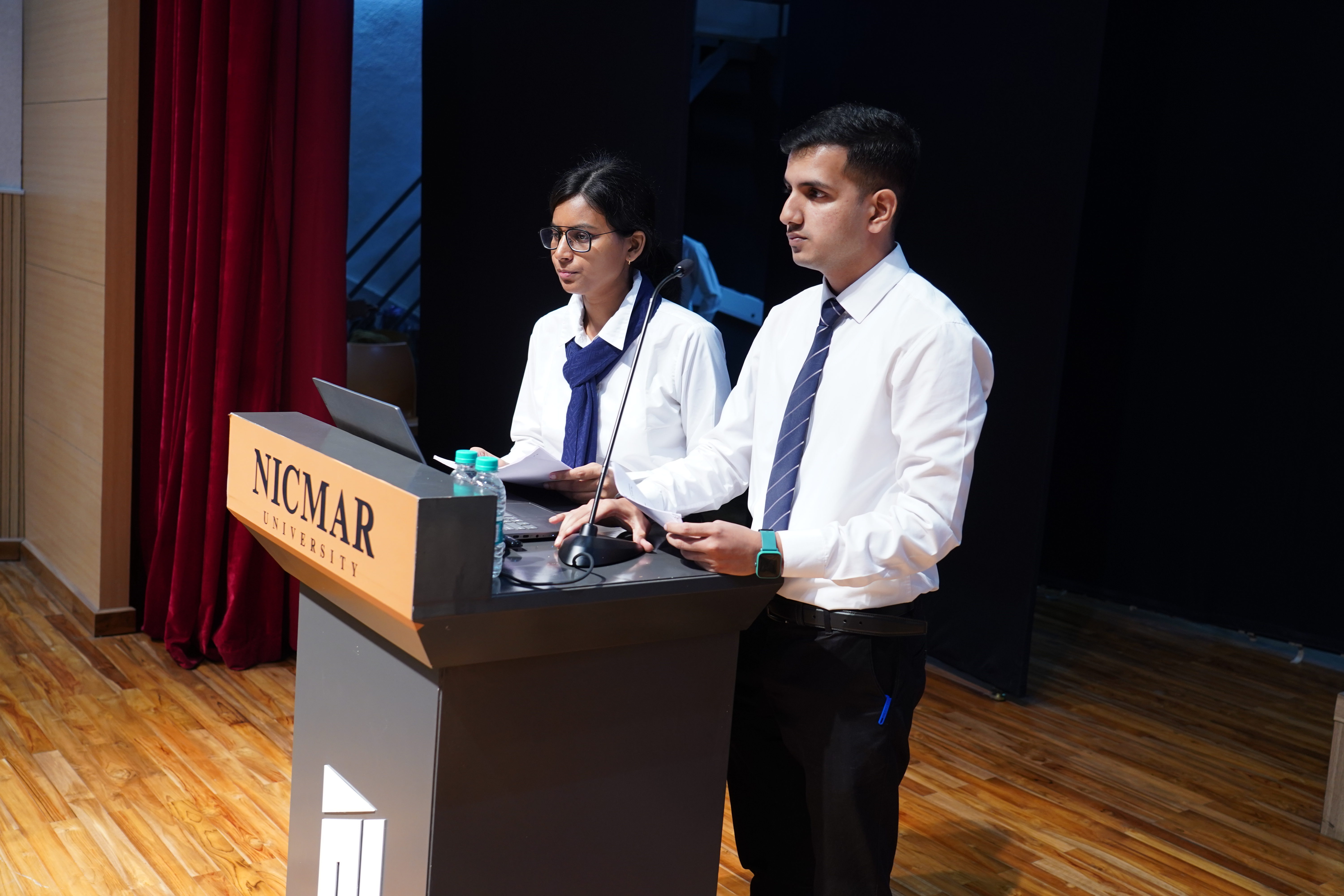
Established in 1983 as an autonomous, non-government, not-for-profit institution, NICMAR has grown into one of the country’s premier facilities based on its foundational values of intellectualism, creativity and individuality. Every NICMAR campus provides access to world class amenities, with thought leaders across industries sharing their insights with our students. NICMAR has become a launchpad for some of the brightest minds in the construction sector.

Programmes that Map Careers to Real Job Roles

Programmes are designed to convert technical knowledge into managerial capability. Flagship offerings include MBA in Advanced Construction Management, MBA in Advanced Project Management, specialised MBAs in real estate and sustainable energy, and an integrated BBA plus MBA pathway. Construction management courses cover planning, estimation, procurement and contract management. Shorter executive and online options are available for working professionals seeking targeted skill updates.

Practical Learning that Matters

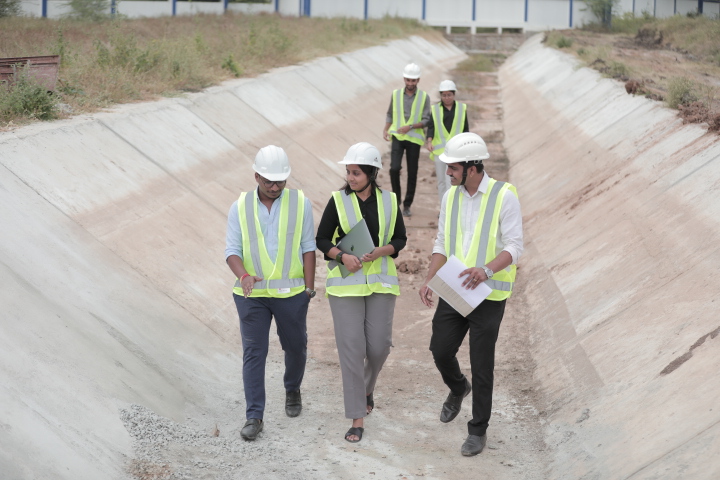
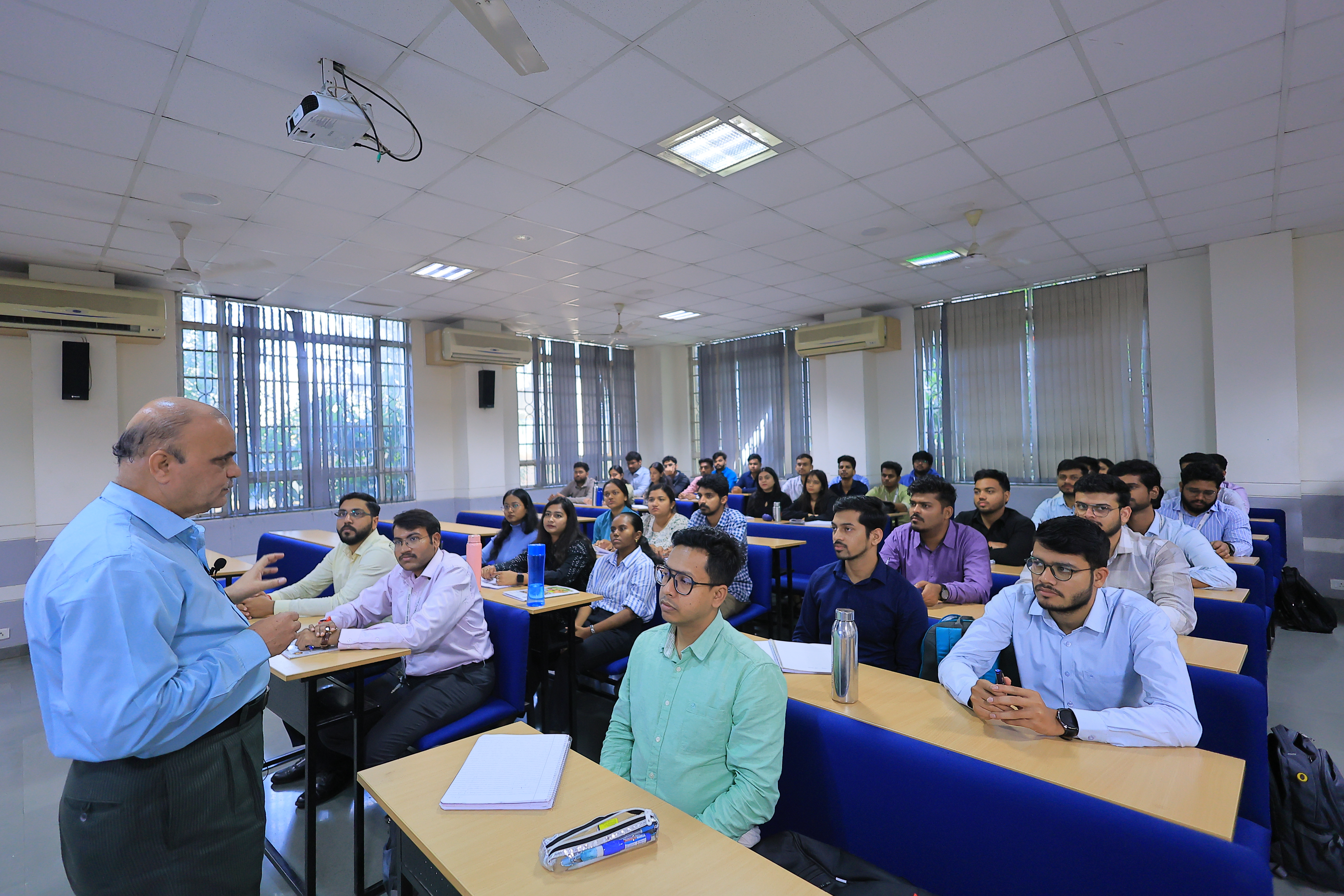
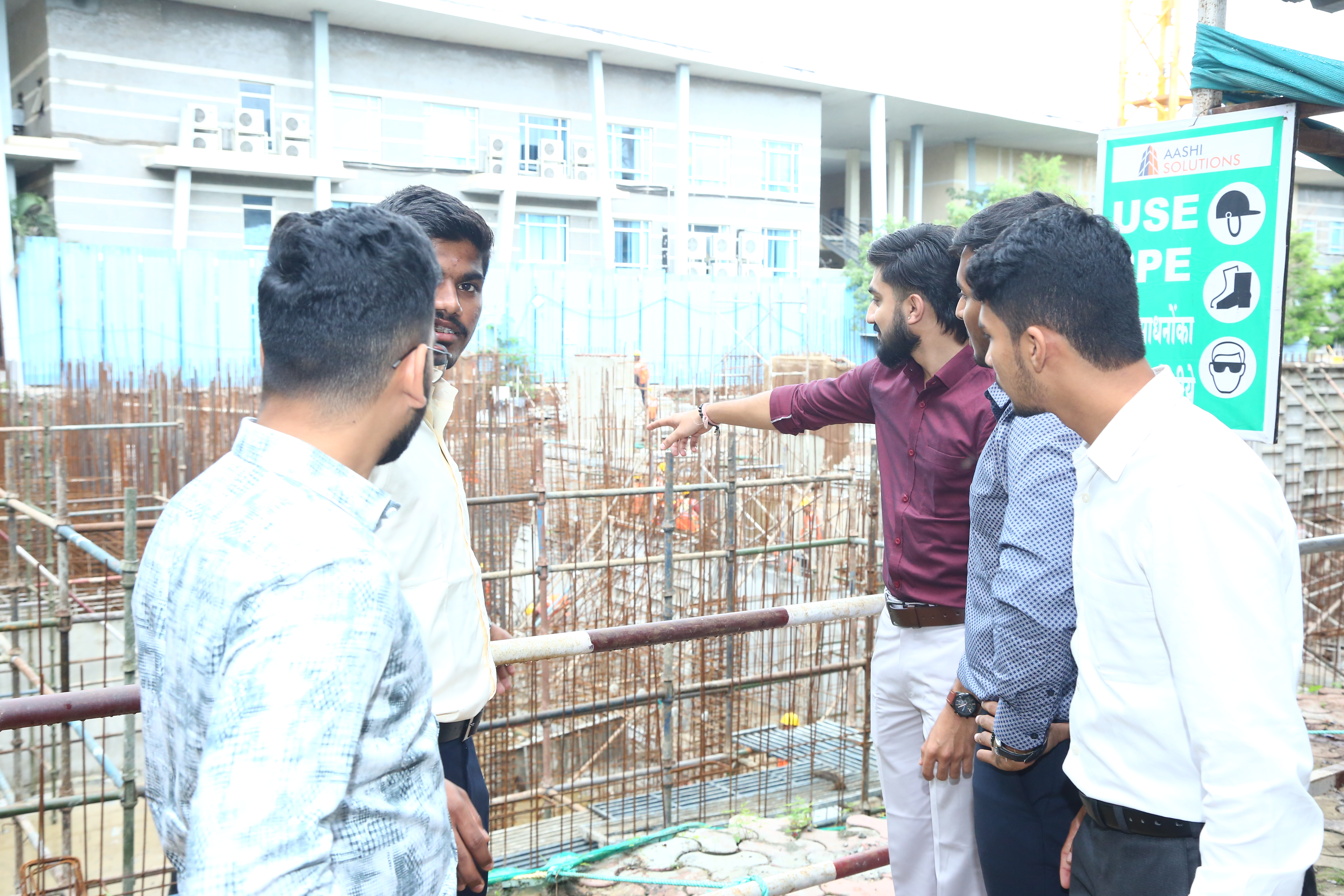
Hands-on training is central to the pedagogy. Classroom modules are paired with software labs, workshops and project-based assessments. Students learn scheduling with Primavera and MS Project, model coordination with BIM tools, and spatial analysis with GIS. Capstone projects recreate full project lifecycles from feasibility and estimation through procurement, execution and handover. Short industry immersions and site visits add real-world context. Together, these elements build a tangible portfolio of work that supports recruitment and early-career performance.

Specialisations and Career Focus

Specialised elective baskets allow students to deepen expertise in areas such as infrastructure, highways, highrise building systems, lean construction and claims management. The MBA in project management pathway sharpens skills for roles in project planning, controls and delivery. Graduates also find pathways into consulting, procurement, contract management and project finance. For civil engineers evaluating options, an MBA or focused construction management programme offers a direct route into leadership roles on major projects.

Admissions Essentials and Selection

NICMAR admission processes vary by programme but share common elements: clear eligibility criteria, documented selection steps and published intake schedules. Postgraduate admissions often include an institute entrance test, group exercises and interviews. Undergraduate and doctoral programmes follow their respective entry rules. Applicants awaiting final results may be considered for provisional admission subject to submission of completed documentation at programme start. Detailed eligibility, fee and application timelines are available on programme pages.

Fees, Scholarships and Flexible Options

Fee structures differ by course and are published on the institute’s admissions pages. Selected scholarships and financial support options are available. In addition to full-time degrees, executive programmes and online short courses help mid-career professionals update skills without leaving work. These flexible delivery modes extend NICMAR’s reach and support lifelong professional development.

Placement Support and Industry Engagement

The institute maintains sustained engagement with construction, infrastructure and real estate employers. Recruiter interaction includes visiting faculty, placement drives, internship sourcing and sponsored projects. Practical labs and immersion projects frequently create hiring conversations. Typical recruiter roles include planning engineer, quantity surveyor, contracts manager, billing engineer and project controls specialist. Placement support targets roles that blend technical competence with commercial and managerial judgment.

Student Life and Campus Facilities

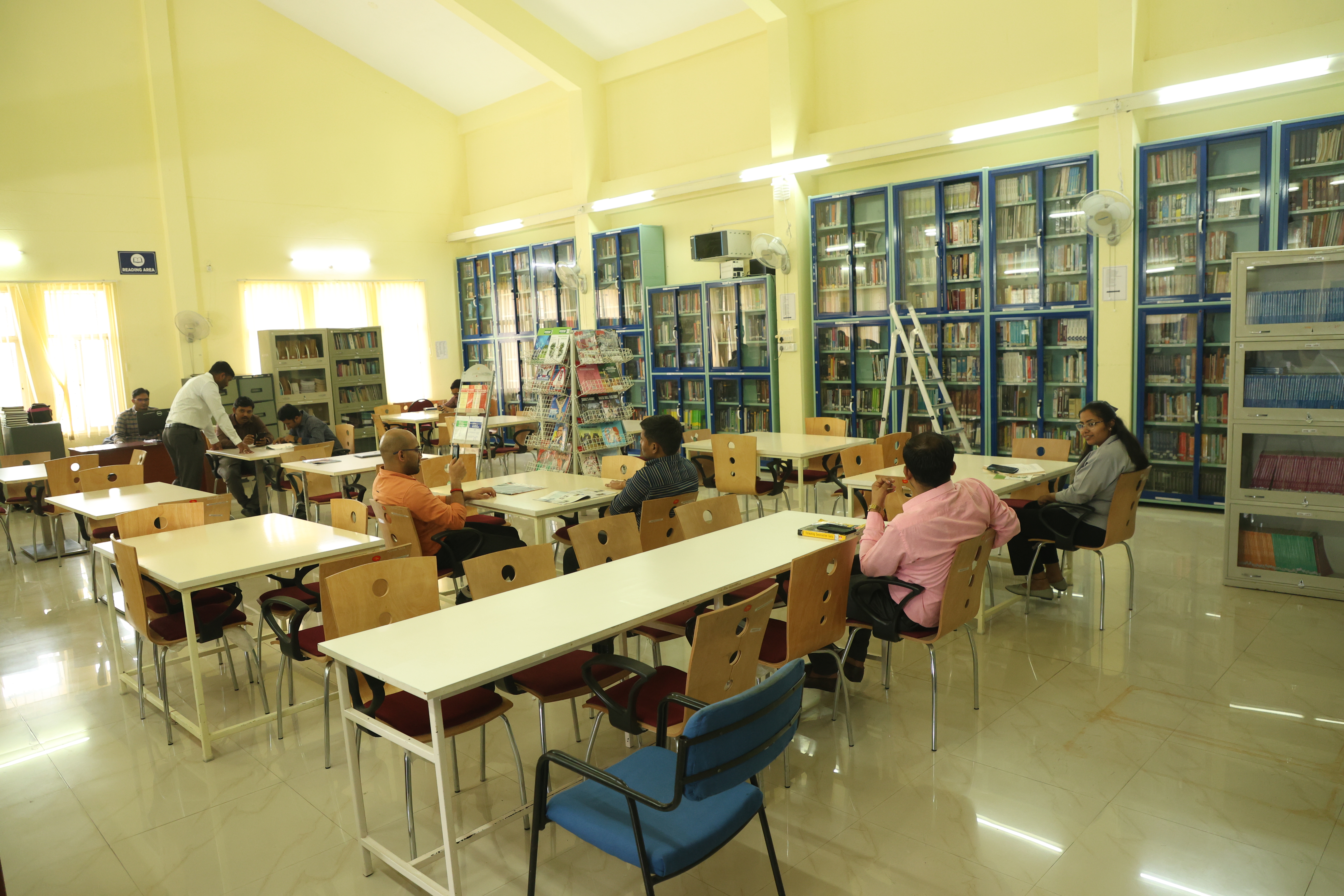
Across campuses, facilities support the institute’s practical focus. Students have access to software labs, dedicated studios for BIM and quantity surveying, libraries and research centres. Residential facilities are organised to support group work and immersion projects. Centres for research, quality assurance and equal opportunity provide academic and welfare support across programmes.

Why NICMAR is a Pragmatic Choice

NICMAR’s strength lies in programme design and industry alignment. Construction management courses and other MBA/PGDM pathways are structured to reduce the gap between academic learning and professional demands. The combination of applied labs, project work, software training and industry mentorship equips graduates to contribute from day one. For candidates seeking an education that leads directly to project and programme roles, NICMAR offers clear academic pathways and practical outcomes.

Related Articles