A delayed delivery, a compressed schedule, and multiple contractors working in the same space - project delivery is defined in these pressure moments. The difference between a competent team and a leader who can steer a programme of works lies in systems, tools, and judgement. NICMAR’s MBA in Project Engineering & Management (PEM) and MBA/PGDM in Advanced Project Management (APM) courses are designed for professionals ready to move from task execution to true programme ownership within the built environment.

Project-first curriculum, not theory alone

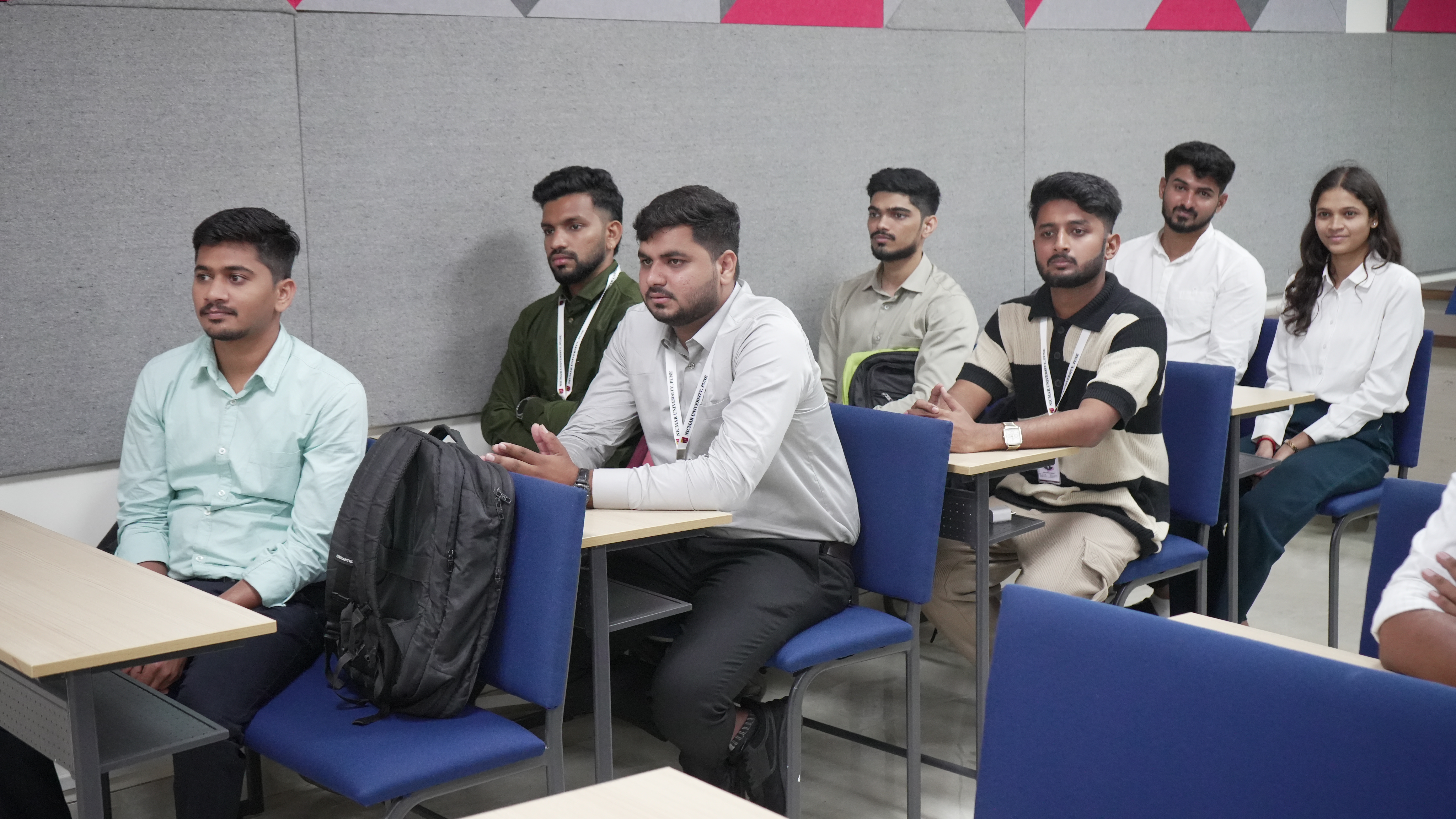
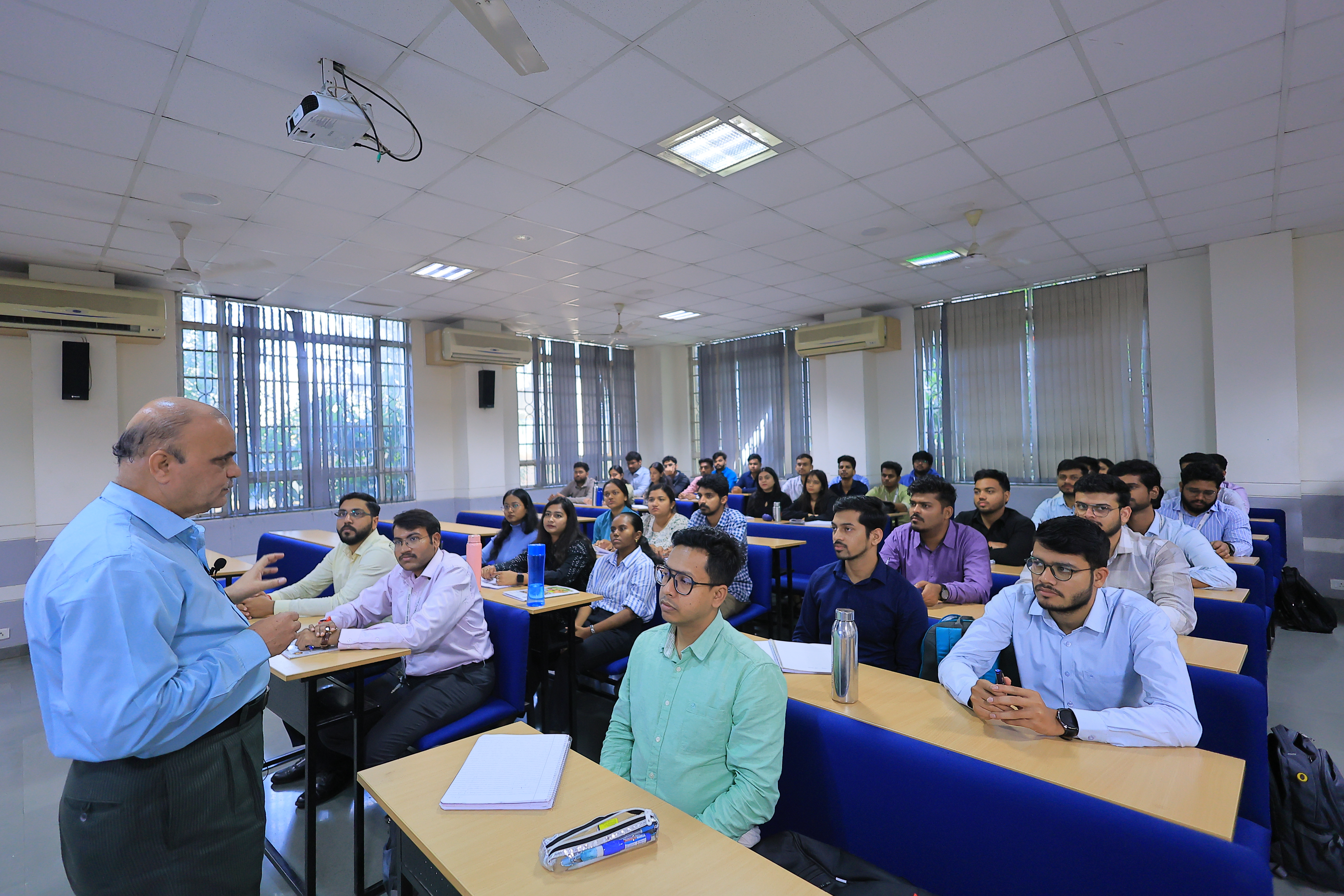
The programme blends core management disciplines with project-specific modules. Alongside finance, strategy and organisational behaviour, learners study planning and scheduling, cost engineering, procurement and contract management. That combination trains graduates to design, plan and control projects across engineering and non-engineering contexts. The curriculum is structured so each management concept is tested against a project problem, making learning immediately applicable.

Studio practice and tool fluency

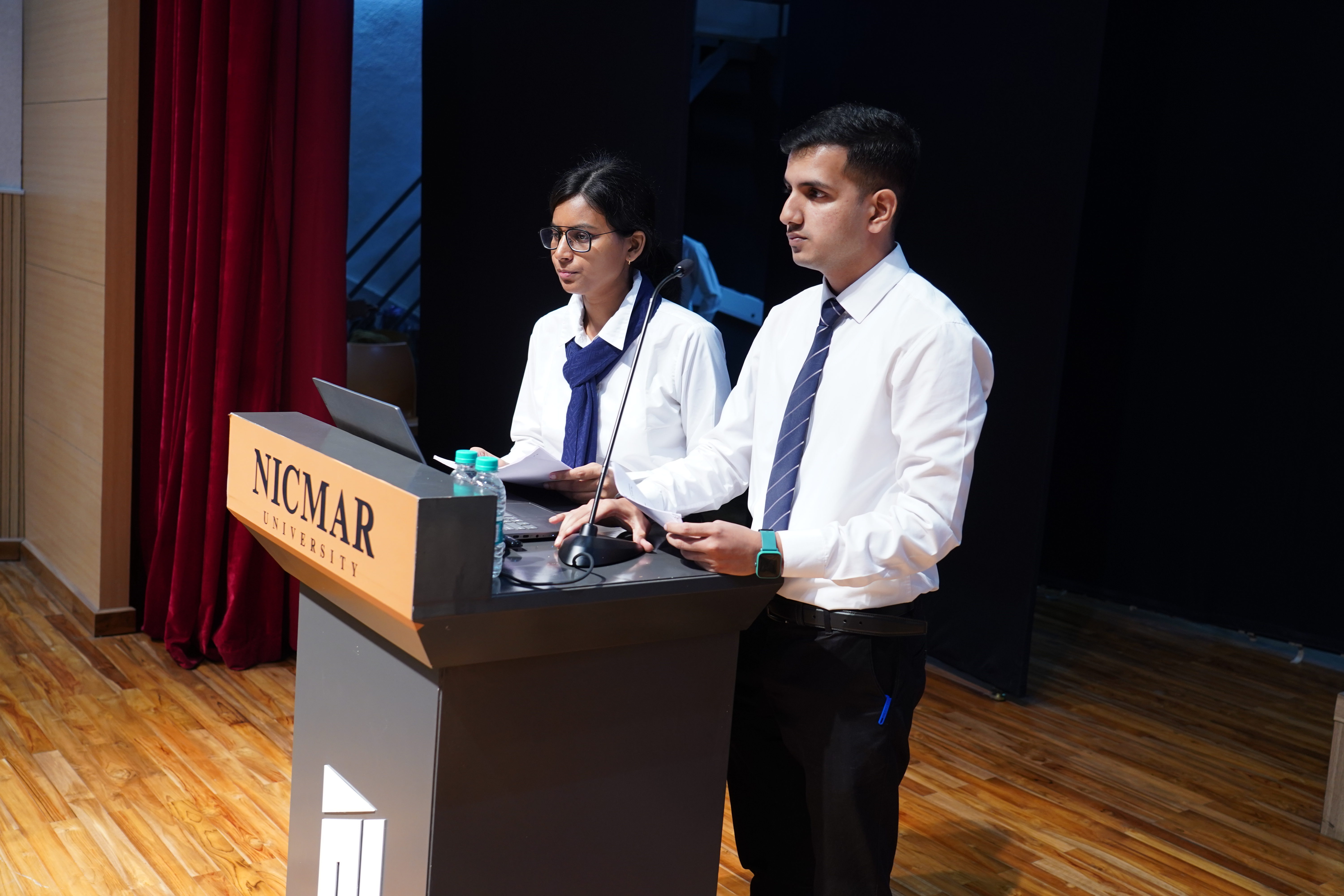
A defining feature of the course is studio-led practice. Students work in labs to build defended project baselines in Primavera and MS Project, and they run BIM coordination workshops that produce coordinated models and clash reports. Project analytics modules teach how to extract performance metrics and make data-driven interventions. These studio deliverables become part of a professional portfolio and are central to employer conversations during placements.

Repeated industrial exposure mapped to learning outcomes

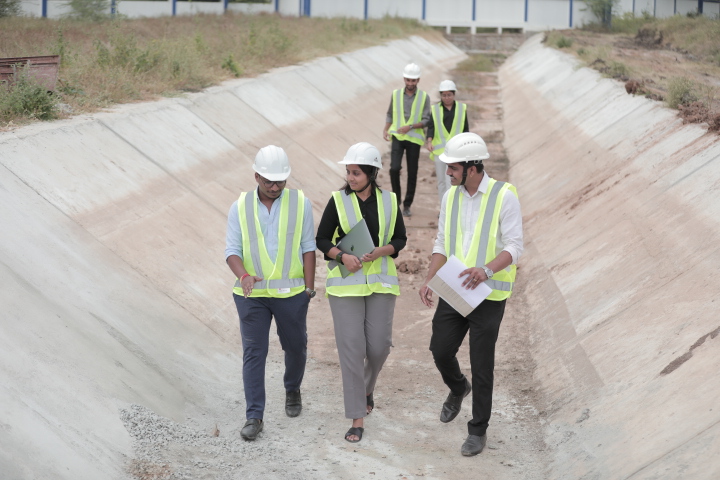
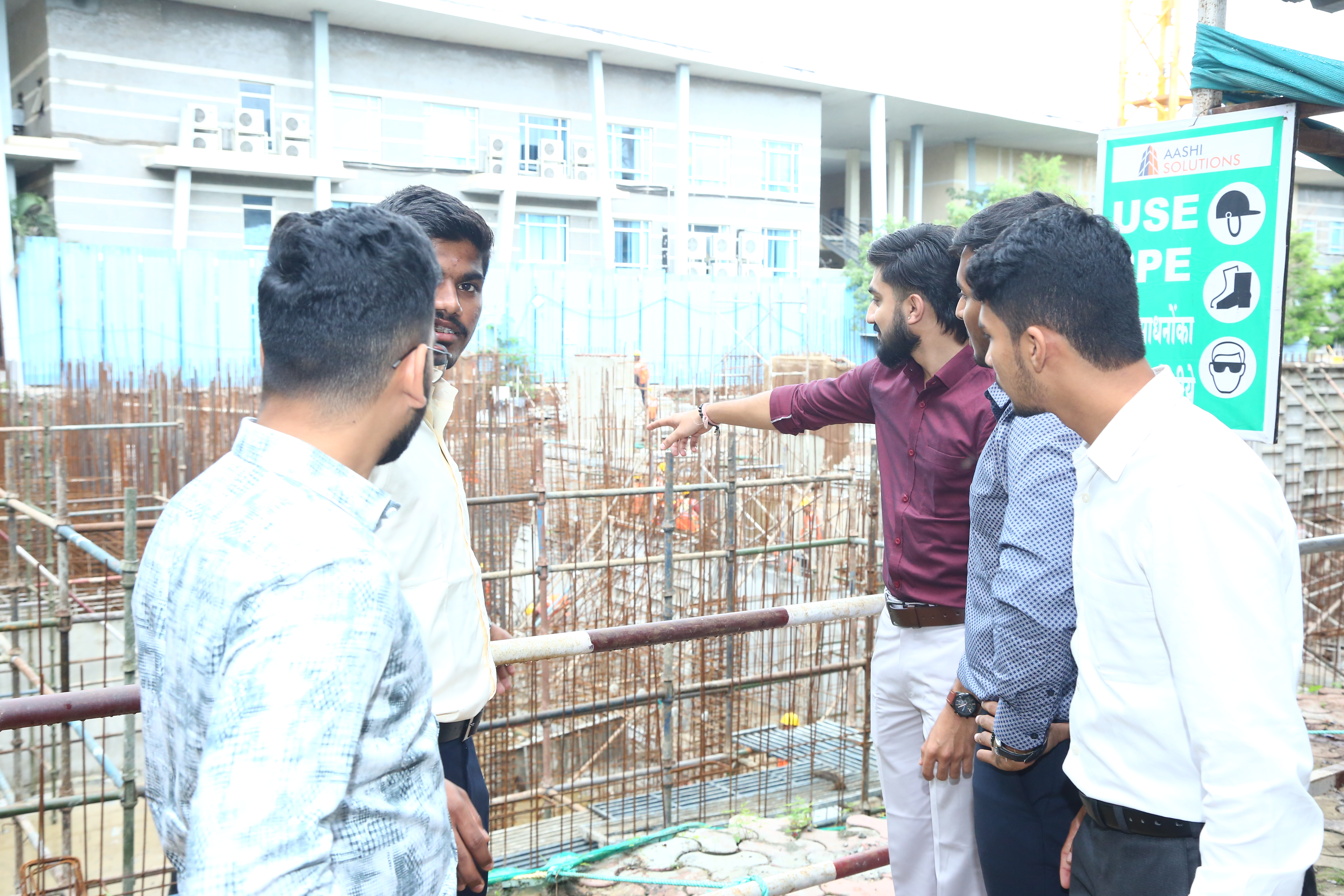
Industrial exposure is distributed across semesters rather than concentrated in a single terminal internship. The programme includes short site immersions, interim corporate projects and a summer internship so students repeatedly test classroom methods on live projects. This repeated exposure develops practical judgement about productivity, quality and risk mitigation and reduces the time employers need to onboard graduates onto active projects.

Breadth within project practice

Although focused on project delivery, the course maintains elective breadth. Learners can apply project management methods to infrastructure, healthcare, education, MEP, and technology projects. Elective tracks cover areas such as contract governance, programme controls, and infrastructure systems. This design lets graduates remain flexible across sectors while retaining a deep, project-oriented skill set that employers in construction and infrastructure value.

Accreditation and programme formats

NICMAR offers the programme in both degree and diploma formats, depending on the campus and regulatory framework. The MBA in Project Engineering & Management (PEM) is offered at NICMAR University Pune, the MBA in Advanced Project Management (APM) at NICMAR University of Construction Studies, Hyderabad, while the PGDM (Post Graduate Diploma) in Advanced Project Management is offered at the NICMAR Delhi NCR Campus. Both the MBA and PGDM formats follow the same industry-aligned pedagogy with a strong studio-led emphasis. Applicants are advised to verify the award type and regulatory approvals applicable to their chosen campus.

Who gains most from this programme

The course suits engineers, planners and early-career project professionals who want to advance into project controls, procurement, contracts or delivery leadership. It also benefits mid-career professionals seeking targeted upskilling through elective modules and labs. Those aiming for cross-sector mobility but with an emphasis on project roles will find the balance of management theory and applied practice particularly valuable.

How it compares with construction management courses

Project Management is closely related to construction management courses but it places additional emphasis on programme governance, portfolio thinking and complex stakeholder coordination. Candidates focused exclusively on site execution or technical estimation might prefer highly specialised construction streams. Candidates who want to manage multiple projects, align strategic objectives with delivery and lead interdisciplinary teams will find the advanced project management course better aligned to their goals.

Career outcomes and recruiter fit

Graduates typically move into project planning, planning controls, procurement, contract management, programme coordination and project leadership roles. Recruiters include contractors, infrastructure developers, project consultancies and large corporations running multi-site programmes. Employers value graduates who can defend a schedule, translate a BIM model into procurement quantities and apply analytics to predict schedule slippage.

Next steps for applicants

Looking to apply for NICMAR’s Advanced Project Management (APM)/ Project Engineering & Management (PEM) program? Start your application process by clicking on this link.

Related Articles