A rainy week, a stalled crane and a contract deadline two days away. On site, technical fixes happen fast. The bigger test comes when decisions must balance time, cost and compliance while keeping multiple contractors aligned. That moment often marks a turning point in an engineer’s career. The choice then becomes whether to deepen technical expertise or to acquire the commercial and managerial skills needed to own project outcomes.

For many who choose the managerial route, NICMAR’s MBA in Advanced Construction Management and the closely related PG Diploma with specialization in Advanced Construction Management offer a purpose-built answer. These programmes are not a general MBA with a few construction electives. They are construction management courses designed from the ground up to turn site experience into project leadership.


A learning path that begins with addressing real problems

NICMAR structures learning around the problems project teams face every day. Early modules focus on planning, estimation and quantity takeoff so students can convert drawings into executable work plans. Labs then make those skills practical. In a typical assignment, a student group must prepare a resource-loaded Primavera schedule, justify the baseline in a defence session and revise the plan after a simulated delay. Those deliverables become part of a portfolio that speaks directly to employers.

Why this differs from a regular MBA

A regular MBA develops broad management acumen. It is useful for careers that demand cross-sector mobility. It trains in finance, marketing, strategy and organisational behaviour with case studies from many industries. NICMAR’s programmes keep those management essentials but fold construction engineering and project controls into every semester. The difference is in intent and repetition. While a regular MBA may offer a construction elective, NICMAR makes construction the organising principle.

Studio culture and technology-first practice

New age technology is central to NICMAR’s pedagogy. BIM studios run clash detection and generate coordinated models. GIS modules support alignment and layout planning. Scheduling labs use Primavera and MS Project to build and defend executable baselines. These tools are not optional. They are core to assessed work. That technology-first approach is a strong signal to recruiters who want candidates that can translate models and schedules into procurement and execution decisions.

Repeated industrial exposure, not a single internship

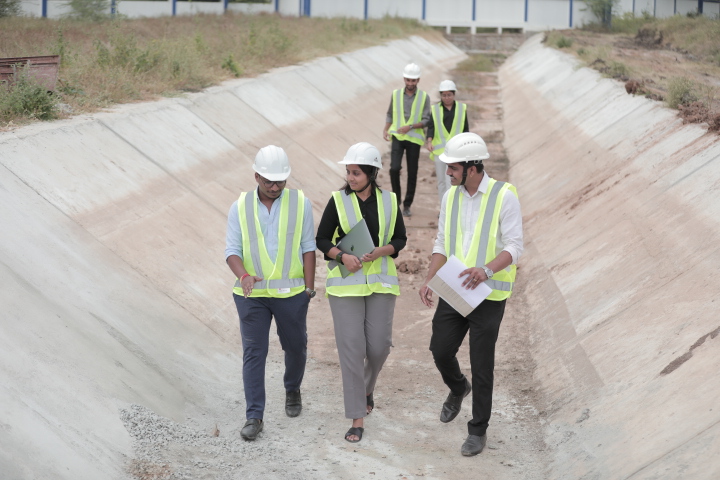
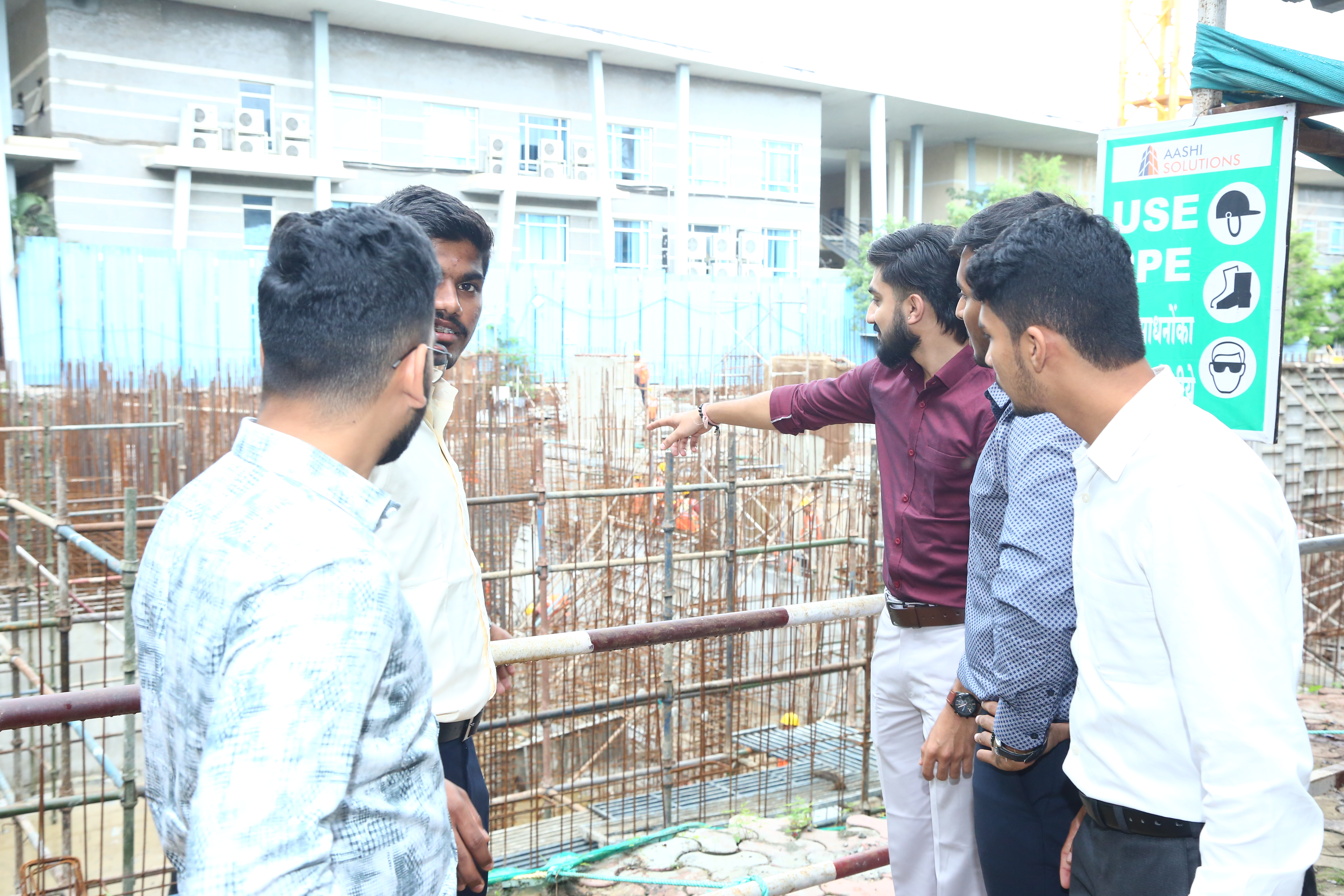
Industrial exposure training at NICMAR happens across semesters. Short site immersions, industry-sponsored projects and frequent site visits mean students test classroom methods on live projects several times during the programme. This repeated exposure builds practical judgement on productivity, quality and safety. By contrast, regular MBAs usually concentrate employer interaction into a placement season. The NICMAR format gives students multiple chances to refine their approach and build employer confidence.

Format, accreditation and who the programmes suit

At NICMAR the programme is available as a full time two-year MBA course as well as in PGDM format for skill building and certification. Both formats follow the same industry-focused pedagogy. The difference is administrative. Degree variants are university-awarded, while PGDM formats are autonomous and may carry AICTE recognition. Applicants should verify the credential for the chosen campus. The programmes suit engineers, site supervisors and technical graduates who want to step into project controls, procurement, contracts or delivery leadership.

Career outcomes and recruiter fit

Graduates typically enter roles such as planning engineer, quantity surveyor, contracts manager, billing engineer and project controls analyst. Recruiters are primarily construction firms, infrastructure developers and project consultancies. Employers value that NICMAR graduates can defend a schedule, explain a takeoff and propose a contract clause to manage risk. Those competencies often convert internships into pre-placement offers.

Electives that map to career choices

NICMAR offers elective baskets in highways, mass transit, highrise systems, lean construction and claims management. That elective design lets students shape skill sets aligned to target roles. A candidate who wants project controls will choose advanced scheduling and forensic delay analysis. A procurement-focused candidate will pick contract law and dispute resolution. This targeted depth is where construction management courses differ most from a regular MBA.

Final takeaway

When the career goal is to lead projects rather than manage teams in the abstract, the shape of learning matters. NICMAR’s MBA in advanced construction management and pg diploma in advanced construction management narrow the focus, intensify practical training and place digital tools and site exposure at the centre of learning. For engineers ready to move from reactive site fixes to owning project outcomes, NICMAR offers a career pathway built on studio work, repeated industrial immersion and sector-specific electives.

Related Articles