Civil engineers who want to move beyond site work and technical design often choose management education to broaden their responsibilities. NICMAR offers focused pathways that combine industry practice with managerial skills. Three programmes that suit civil engineers are MBA in construction management, MBA in infrastructure management and MBA in project management. Each prepares graduates for specific career options after MBA while building on technical knowledge.


Why an MBA complements a civil engineering degree

A civil engineering degree covers design, materials and construction methods. An MBA adds commercial skills such as project finance, procurement, contract negotiation and stakeholder management. These competencies make it possible to translate engineering constraints into practical, bankable plans. Many prospective students researching MBA courses for civil engineers choose an MBA to bridge technical capability and commercial responsibility.

NICMAR MBA Programs for Civil Engineers

If you’re considering an MBA program from NICMAR university, you’re on the right track. Three programs in particular offer unique opportunities and career paths depending on the journey you want to take up as a civil engineer.

MBA in Construction Management

This specialisation focuses on planning, execution and site leadership. Students learn scheduling, cost control, quality assurance and safety management. The programme is tailored for engineers who want to lead construction programmes and manage subcontracting and field teams.

MBA in Infrastructure Management

This pathway addresses long horizon, high value projects. Topics include project finance, public private partnerships, regulatory frameworks and asset operations. For those interested in utilities, transport or urban systems, this specialisation is a strong match. It also overlaps with NICMAR’s MBA in real estate management where urban development and valuation are emphasised.

MBA in Project Management

This course takes a systems approach to delivery. It covers risk and claims management, project controls, digital tools and performance analytics. Graduates are well placed to work in PMOs, programme management and performance measurement roles across sectors.

Practical exposure and learning format

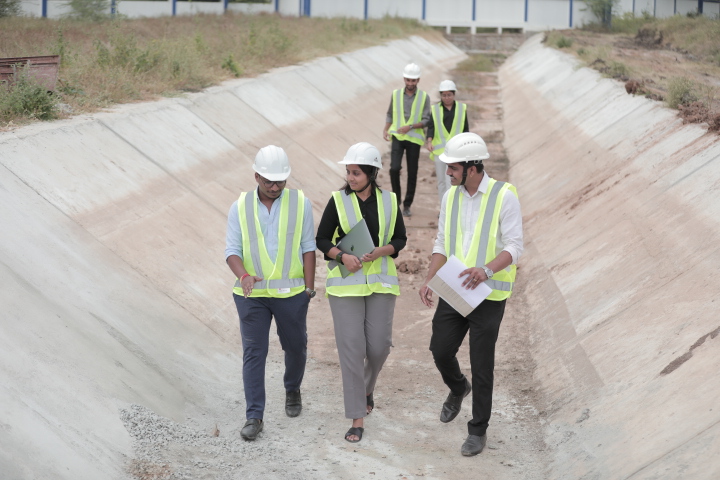
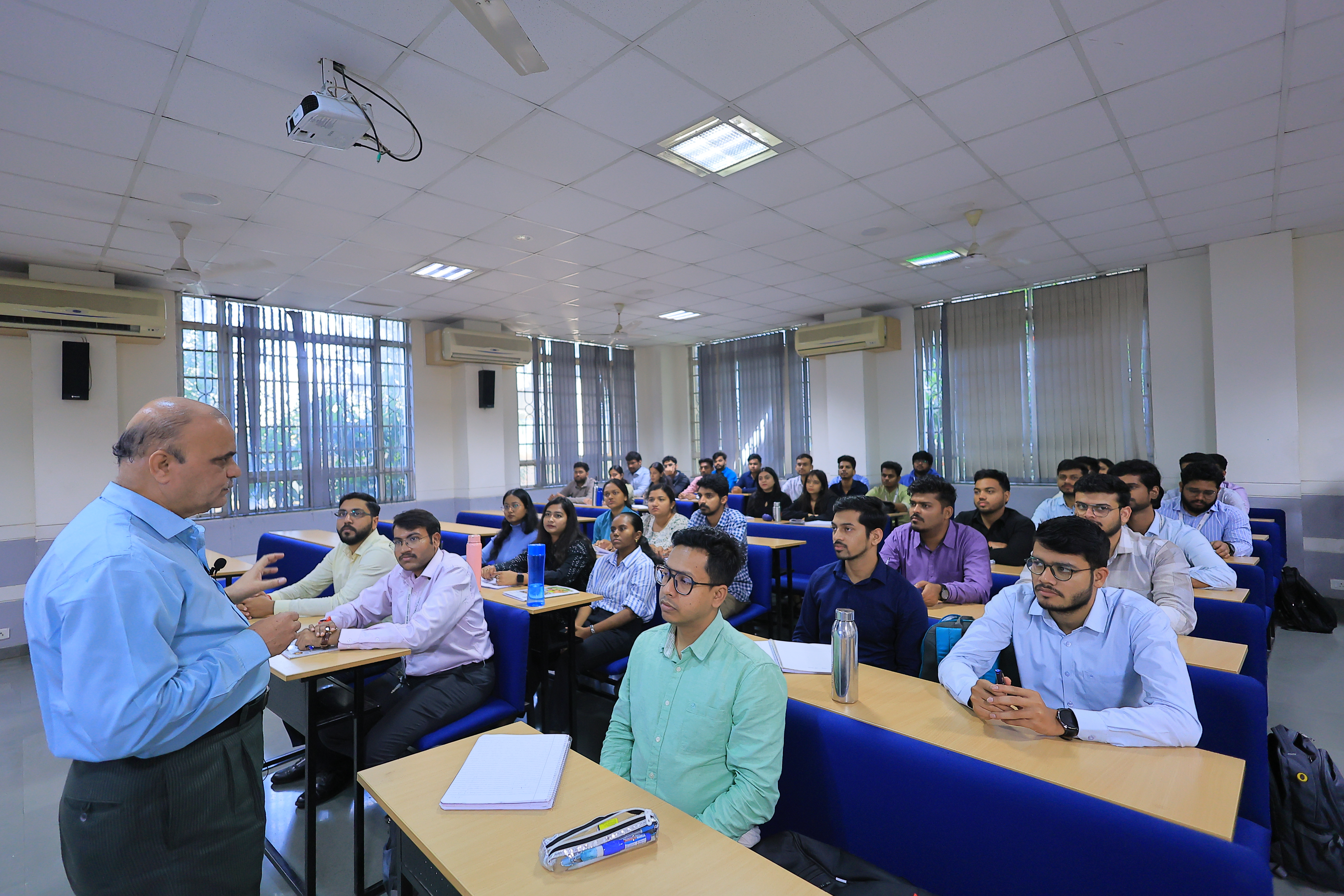
NICMAR balances classroom teaching with internships, live projects and workshops. Practical modules convert theory into marketable skills such as cash flow modelling, contract drafting and schedule optimisation. These applied experiences are a reason many candidates consider NICMAR among the best MBA colleges for civil engineers.

Job roles after MBA

An MBA opens a range of roles depending on specialisation. Typical job roles you can land after an MBA program from NICMAR for civil engineers include:

  • Construction manager, site operations head and contracts manager for construction streams.

  • Infrastructure project manager, transaction advisor and asset manager for infrastructure streams.

  • PMO lead, project controls manager and programme director for project management graduates.

These positions reflect the practical responsibilities and decision making that follow management training.

How to choose the right specialisation

Choose the path that matches the work you enjoy. If you prefer hands on coordination and site leadership, the construction management route is most direct. If you are drawn to financing, regulatory frameworks and long term assets, infrastructure or real estate management will deliver sector depth. If your interest is in systems, analytics and delivery controls across industries, project management is the natural option.

Practical application tips

When applying, highlight relevant project experience, internships and any budget or vendor responsibilities. Familiarity with scheduling software, basic financial modelling and construction methods strengthens your profile. Research placement records and compare industry connections to evaluate your career options after MBA. Networking with alumni and attending industry events can create direct pathways into preferred roles.

Conclusion

An MBA helps civil engineers transition from technical roles to strategic and managerial positions. NICMAR’s programmes integrate sector specific knowledge with hands on training so graduates can take ownership of projects, negotiate contracts and manage assets. Select the specialisation that matches your strengths and career goals to expand the range of opportunities available after graduation.

Related Articles