When a project runs late or costs creep beyond the budget, one role becomes critical: the quantity surveyor. The discipline combines technical measurement, contractual clarity and commercial judgement. NICMAR’s PG Diploma in Quantity Surveying and Contract Management equips graduates with those skills, so they can convert drawings and specifications into defensible bids, manage claims and keep projects financially healthy.


A compact, industry-focused programme

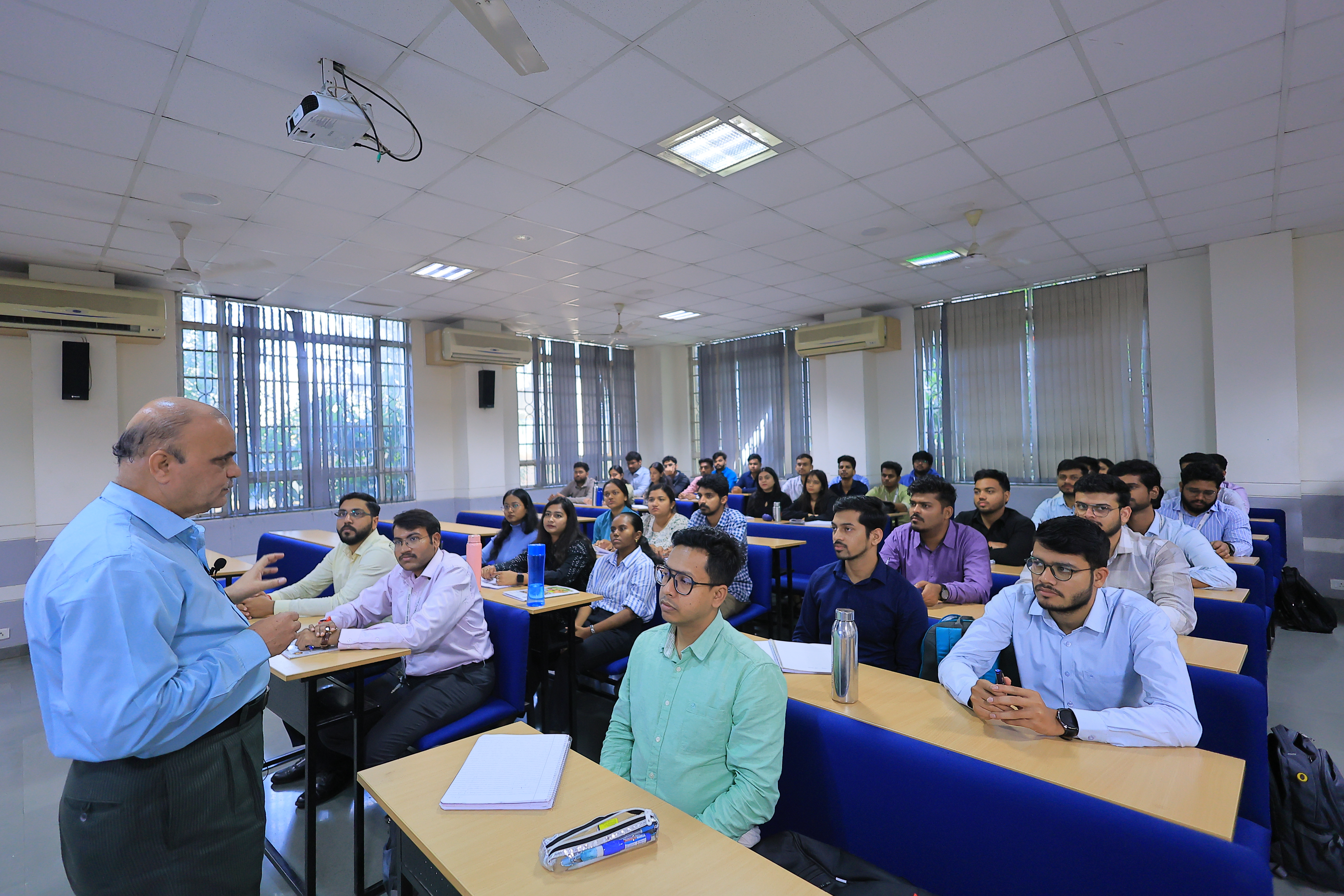
The PG Diploma is a one-year, two-semester programme delivered over 750 classroom hours. The course is intentionally compact and intensive. It is aimed at early-career engineers and graduates who want focused training in estimation and quantity surveying, contract administration and cost control. Class sizes are deliberately small, so students work closely with faculty and industry mentors.

What the programme teaches

Students learn to quantify works with rigour, prepare bills of quantities and assemble cost buildups for bids. Contract administration and post-contract functions form a major part of the syllabus. Practical skills include monthly valuations, project variance reporting and claim preparation. Modules also cover construction quality, safety, valuation of real properties and public private partnership frameworks. The curriculum balances technical modules and managerial topics so graduates gain both measurement skill and commercial awareness.

Semester structure and sample courses

Semester one focuses on quantification, documentation, specifications, MEP quantification, tendering and project planning. Workshops include hands-on sessions in MS Project and advanced Excel. Semester two deepens the knowledge with courses on contracts, claims and dispute resolution, construction law, financial and cost accounting, valuation of properties and advanced estimation software. Mini projects and practical workshops are integrated to reinforce studio learning.

Tools, labs and a portfolio of outputs

The programme emphasises practical learning. Students train on industry tools such as Microsoft Project, Candy and CalQuan. Labs and workshops produce tangible outputs like resource-loaded schedules, bill of quantities and software-based estimates. These items form a professional portfolio that graduates present during placement conversations. The practical emphasis is one reason the programme is classified among specialised construction management courses.

Pedagogy and industrial immersion

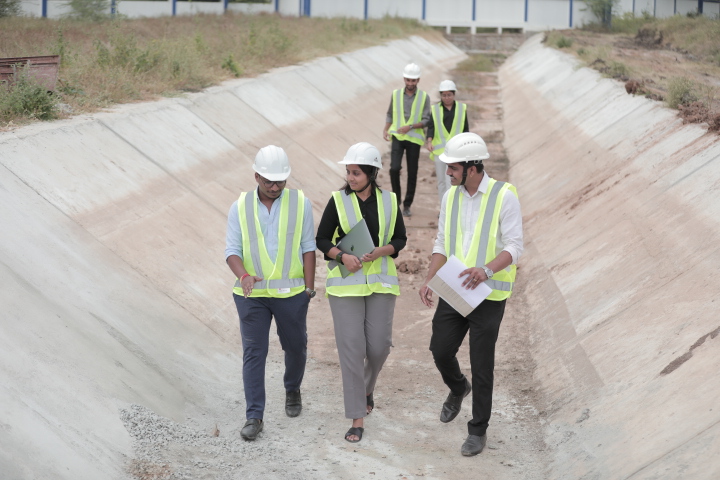
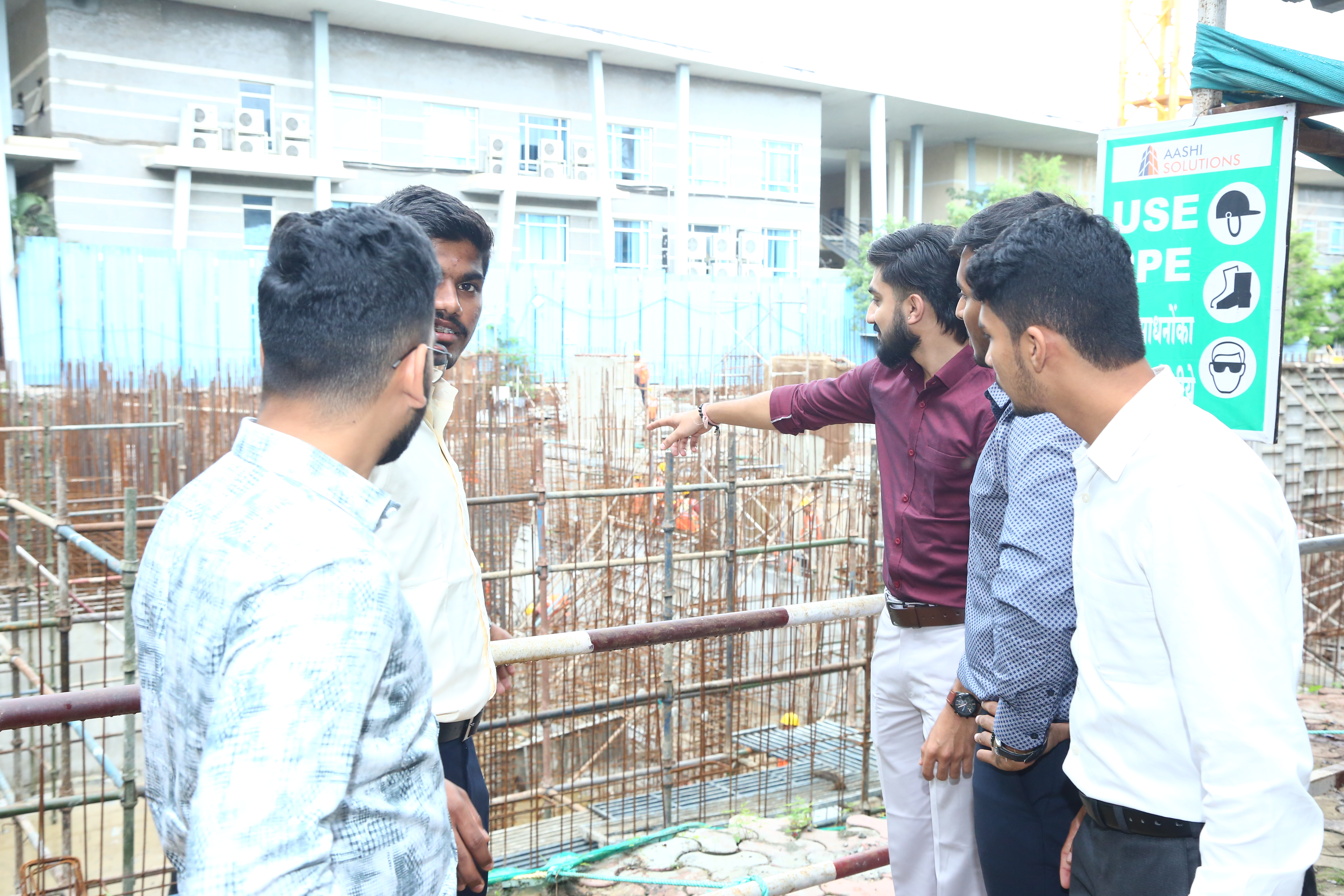
Teaching methods include lectures, case studies, group exercises, simulations and class projects. Site visits and short industrial immersions are organised as required, allowing students to test classroom approaches on live projects. The programme adopts project-based learning and collaborative problem solving, which helps students develop the judgement needed to assess construction risk and control costs.

Who joins the course

Batches typically include 15 to 20 students, most of whom hold civil engineering degrees. The average age is under 26, reflecting the programme’s appeal to early-career professionals. The focused cohort size enables close mentoring and a practical learning environment.

Entry criteria and selection

Eligible candidates must hold a regular graduate degree with a minimum of 50 percent aggregate marks. Selection follows the institute’s standard process: an admission test, group discussion, personal interview and a rating of the application. Final-year students may apply, provided they complete graduation before the programme begins.

Career opportunities and earning potential

The programme prepares students for roles such as quantity surveyor, billing engineer, contract administrator and consultant in construction projects. Employers include contractors, developers, infrastructure firms and consultancies. Placement records indicate average domestic packages in the region of five lakh rupees per annum for recent cohorts, with higher offers in select cases. The focused training in estimation and quantity surveying, contract management courses and dispute resolution makes graduates attractive for cost-control and procurement teams.

Why this programme matters

Cost overruns and disputes remain among the largest threats to project viability. A specialised post graduate programme in quantity surveying and contract management fills a critical skills gap. Graduates leave with the ability to prepare accurate estimates, manage contractual obligations and present persuasive claim documents. That practical competence shortens the onboarding time for employers and gives new entrants immediate responsibility on projects.

Final note

For civil engineers and graduates seeking a career in quantity surveying and costing, or for those weighing a civil engineering specialization, NICMAR’s PG Diploma in Quantity Surveying provides a concentrated route to professional roles in contract administration and cost management. The blend of software training, studio outputs and repeated industry exposure makes this a practical choice for candidates who want to manage project cost and risk from day one.

Related Articles