Why Choose a Management Route after Engineering
A technical background remains a strong asset. Yet project delivery today requires more than design and site know-how. Construction projects demand schedule control, risk assessment, contract negotiation and stakeholder management. For those exploring mba after civil engineering, a targeted management programme brings these skills into sharp focus. Compared with an MTech, which deepens technical specialisation, an MBA prioritises commercial judgement and team leadership. The right choice depends on whether the career plan is to research and design or to manage and deliver projects.
What the Programme Teaches
Core modules cover project planning, advanced estimation, quantity surveying and construction methods. Financial management and contract law explain how projects stay viable and compliant. Digital literacy is woven through the syllabus. Students work with Primavera and MS Project for scheduling, use BIM tools for model coordination, and apply GIS and remote sensing in select modules. Electives allow focus on highrise construction, highways, mass transit, lean construction or dispute management. Practical labs and applied workshops turn theoretical learning into usable skills.
Structure and Pedagogy that Support Career Change
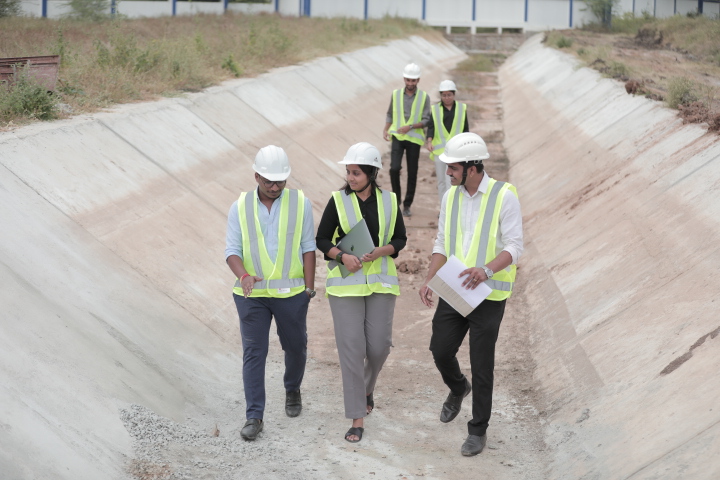
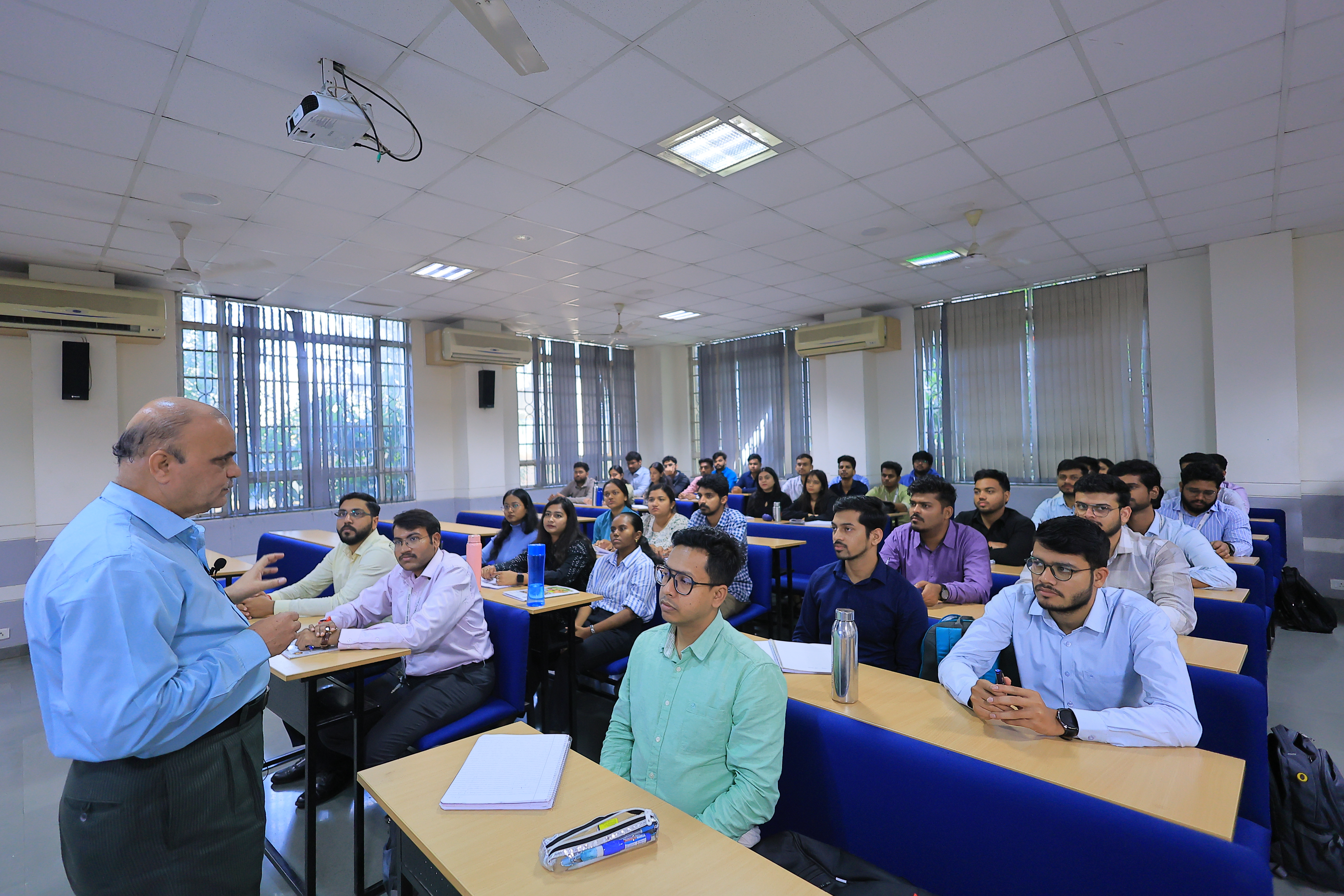
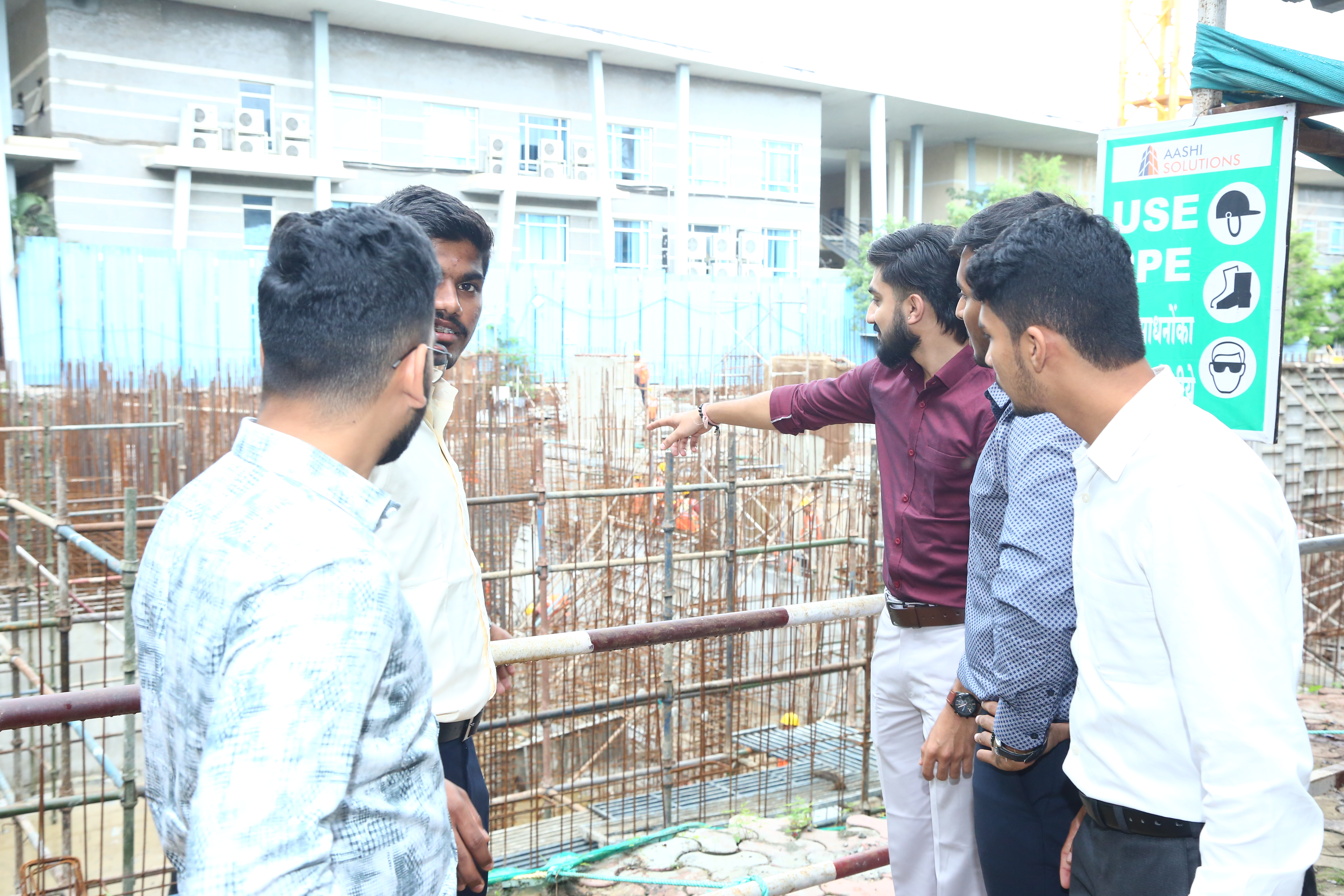
Classroom sessions are brief and focused. Most weeks combine two kinds of activity: taught lectures and hands-on work. Software labs require students to build realistic project schedules and submit a defended baseline plan. BIM workshops ask learners to run clash detection and produce coordinated drawings that feed into quantity calculations. In workshops, students prepare tender documents and simulate contract negotiations using case data. On-site exposure complements the labs. Short immersion projects place students on live sites for a week of measurement, progress checks and quality audits. Group capstone projects recreate a project lifecycle. Teams move from feasibility and estimation through procurement, execution and handover, producing a documented plan and a project closeout report. Frequent feedback from industry mentors refines the work, and many projects result in portfolio pieces that graduates show at interviews. The balance of labs, site work and industry mentoring helps engineers make the jump from technical tasks to managing scope, cost and time.
Practical Steps for Applicants
Start by clarifying career goals: Project controls, contracts, procurement, or site leadership. Review eligibility and selection criteria early; many programmes require an accredited engineering degree and selection through an institute test, group exercise and interview. Basic familiarity with scheduling software and a willingness to work on live-project simulations make the first semester smoother. Choose electives that align to targeted roles. Take every internship and immersion seriously because those experiences often lead to employer introductions and placement offers.
Career Outcomes and Industry Fit
Graduates find roles in planning, procurement, contracts, cost control and execution across buildings, transport networks and large infrastructure. Typical positions include planning engineer, quantity surveyor, contracts manager, billing engineer and project controls specialist. Employers look for professionals who can translate technical drawings into executable plans, manage the commercial side of a contract and keep work on schedule. That combination is the key strength of construction management courses and why many firms recruit from focused MBA programmes.
Comparing Options: MBA, MTech, or Immediate Work
For those weighing mba or mtech after civil engineering, the distinction is pragmatic. An MTech deepens technical research capacity. An MBA for civil engineers equips professionals to lead teams, negotiate contracts and manage project delivery. Construction management courses are particularly suited to engineers intent on moving into project leadership rather than further technical specialisation.
Final perspective
Making the move from civil engineering to a construction-focused MBA is a practical career decision. The right programme turns technical competence into leadership capability through applied learning, software fluency and site exposure. Graduates leave with a portfolio of evidence: project schedules, BIM coordination outputs, tender documents and project reports. Those items matter to recruiters as much as grades. For engineers aiming to take responsibility for large projects, an MBA in construction project management offers a clear, pragmatic route to lead multidisciplinary teams and shape outcomes.