The Engineering-to-Management Gap Is Real
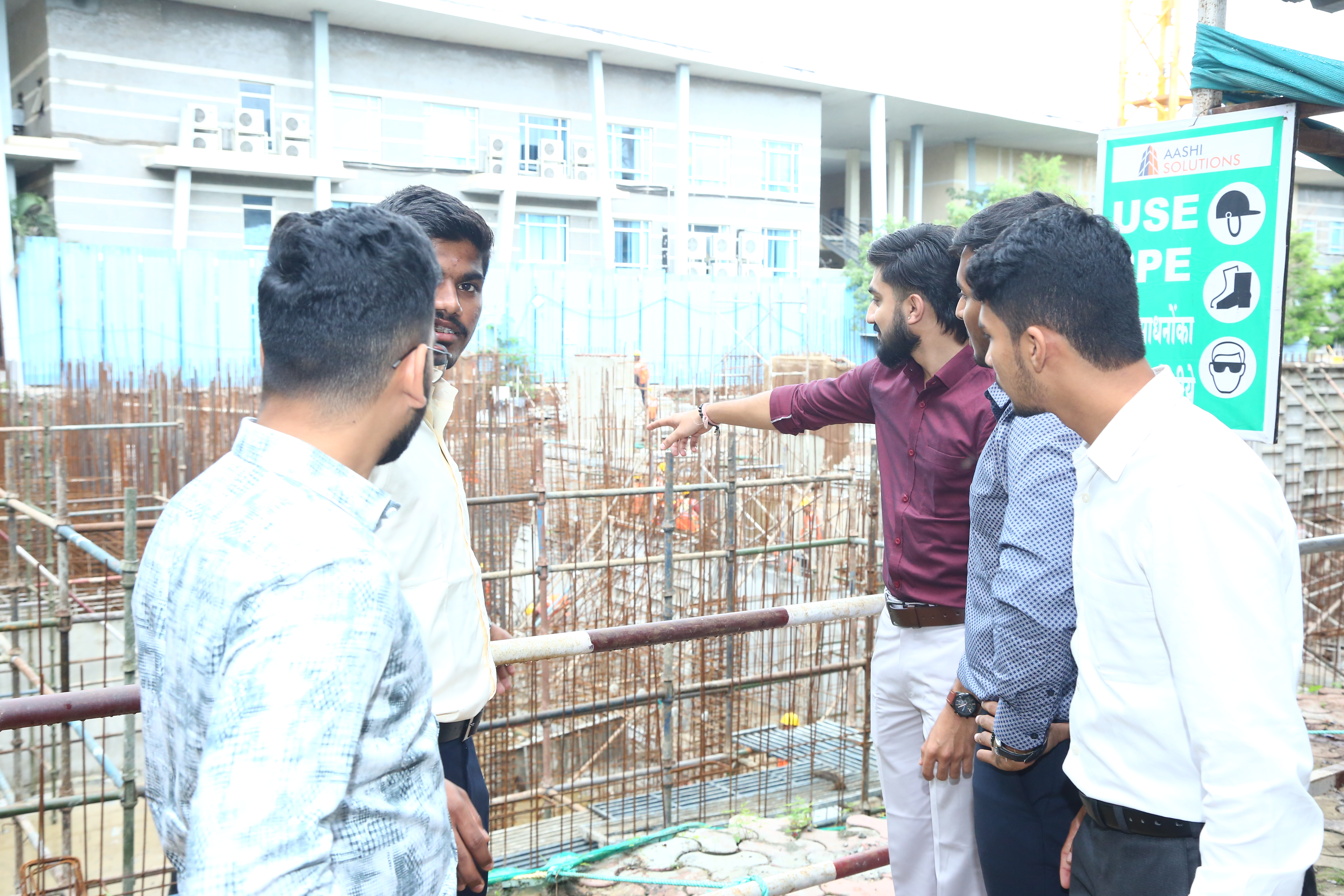
Most engineering graduates spend four years learning structural analysis, materials, and design principles. None of that teaches contract negotiation, claims management, or how to keep a 200-crore project on schedule when three subcontractors are behind and the client wants daily updates.
This is the gap an MBA in Advanced Construction Management exists to close.
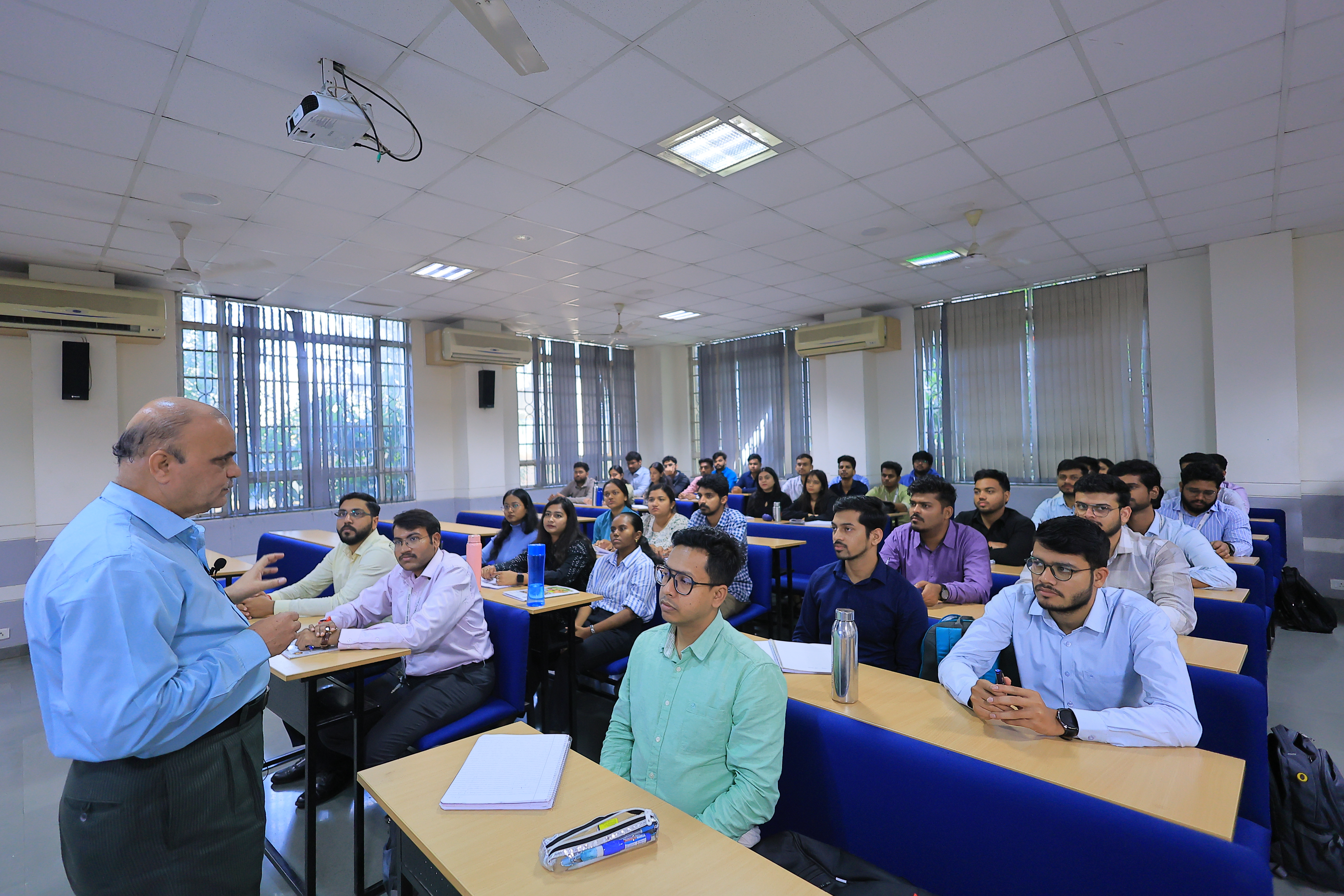
Site execution engineers who don't pick up management training tend to plateau. They stay technically excellent and organisationally stuck, watching less technically capable colleagues move into project leadership simply because those colleagues understand budgets, procurement, and stakeholder communication. NICMAR's MBA ACM programme builds this directly into the curriculum: construction methods and technology sit alongside contracts and claims management, procurement and tendering, and construction safety management, so graduates leave with both halves of the job.
90% of students entering this particular programme already hold a B.E. or B.Tech. They're not starting from zero technically. They're filling the other half.
Software Fluency Has Become the Baseline Expectation
A decade ago, knowing AutoCAD was enough to get noticed. Not anymore.
Construction firms now run projects through Primavera, Microsoft Project, BIM platforms, and increasingly through GIS and remote sensing tools for site assessment. Candidates without hands-on training in these tools start a step behind, regardless of how strong their technical engineering background is.
Advanced construction management courses that build in lab time with these exact tools, not just theoretical coverage, are what students are actively seeking out. NICMAR's programme trains students in Microsoft Project, Primavera, BIM packages from Autodesk, and a fairly long list of construction-specific software including CANDY, Calquan, and Prochain. That breadth matters because different firms standardise on different tools, and graduates who've touched several walk into interviews with fewer gaps to explain.
Specialisation Without Losing the Generalist Foundation
Highways are not high-rises. Airports are not underground construction. Most students figure this out the hard way once they're already working, which is part of why elective-heavy programmes have gotten more popular.
A well-structured MBA In Advanced Construction Management lets students build a generalist foundation in the first year and then specialise in the second. Electives covering airport and port infrastructure, mass rapid transportation systems, underground construction and rock engineering, and management of high-rise buildings let students point their final year toward the sector they actually want to work in. Public-private partnership coursework and real estate development process electives pull in students aiming more toward developer-side roles rather than pure execution.
This structure means two graduates from the same construction management programme can walk out with meaningfully different specialisations, despite sharing the same foundational year.
Placement Numbers Are Doing a Lot of the Persuading
Students talk to each other. Word travels fast about which programmes actually deliver jobs and which ones don't.
Over 200+ companies visit NICMAR annually for on-campus recruitment in construction management specifically, including L&T, HCC, Afcons, Tata Consulting Engineers, Lodha Group, Oberoi Realty, and Reliance Industries. That list spans construction execution, real estate development, and infrastructure consulting, giving graduates options across the breadth of the industry rather than a narrow lane.
Certification Pathways Add a Layer Most Students Don't Expect
PMP certification carries real weight in construction project management hiring, and most candidates assume they'd need to pursue it separately, after their MBA, on their own time and budget.
That's not how it has to work. NICMAR's MBA ACM programme is GAC-PMI accredited and structured in a way that supports students pursuing PMP certification during the programme itself, not as a bolt-on afterward. For students already thinking about long-term career positioning, having that pathway built into their MBA in construction project management rather than treated as a separate post-graduation project changes the calculus considerably.
It's a small detail in the programme brochure. It matters a lot in a resume five years later.
What This Adds Up To
Role of construction management in infrastructure development has expanded well beyond site supervision. Planning engineers, contract managers, quantity surveyors, safety and quality control managers, these roles now require people who understand both the technical reality of construction and the business mechanics that determine whether a project actually finishes on time and on budget.
Students choosing advanced construction management programmes today are responding to a fairly straightforward calculation: a pure engineering degree gets you in the door, but it doesn't get you running the project. The management layer is where careers actually accelerate, and that's not changing anytime soon.