A civil engineering background helps in understanding how work happens on-site. However, large infrastructure projects involve more than execution. As projects grow in size, the work also includes planning, coordination, cost control and decision-making across teams.

This shift requires professionals to move beyond technical expertise and develop strong managerial capabilities. An MBA in Advanced Construction Management enables this transition by equipping professionals with the strategic, financial, and leadership skills needed to plan, manage, and deliver complex construction projects at scale.

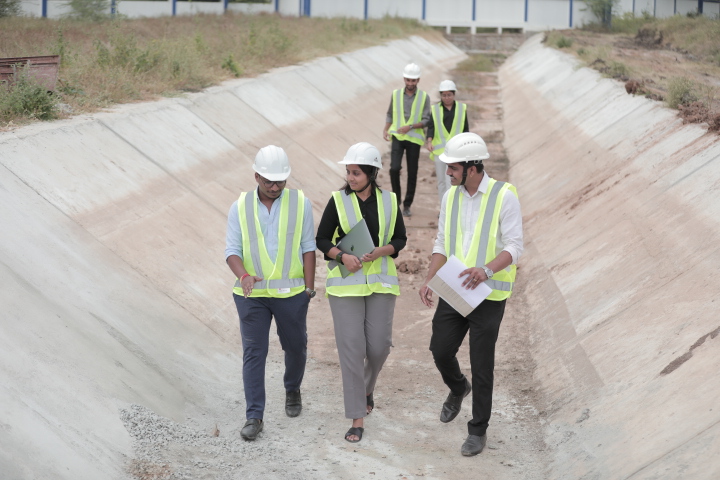
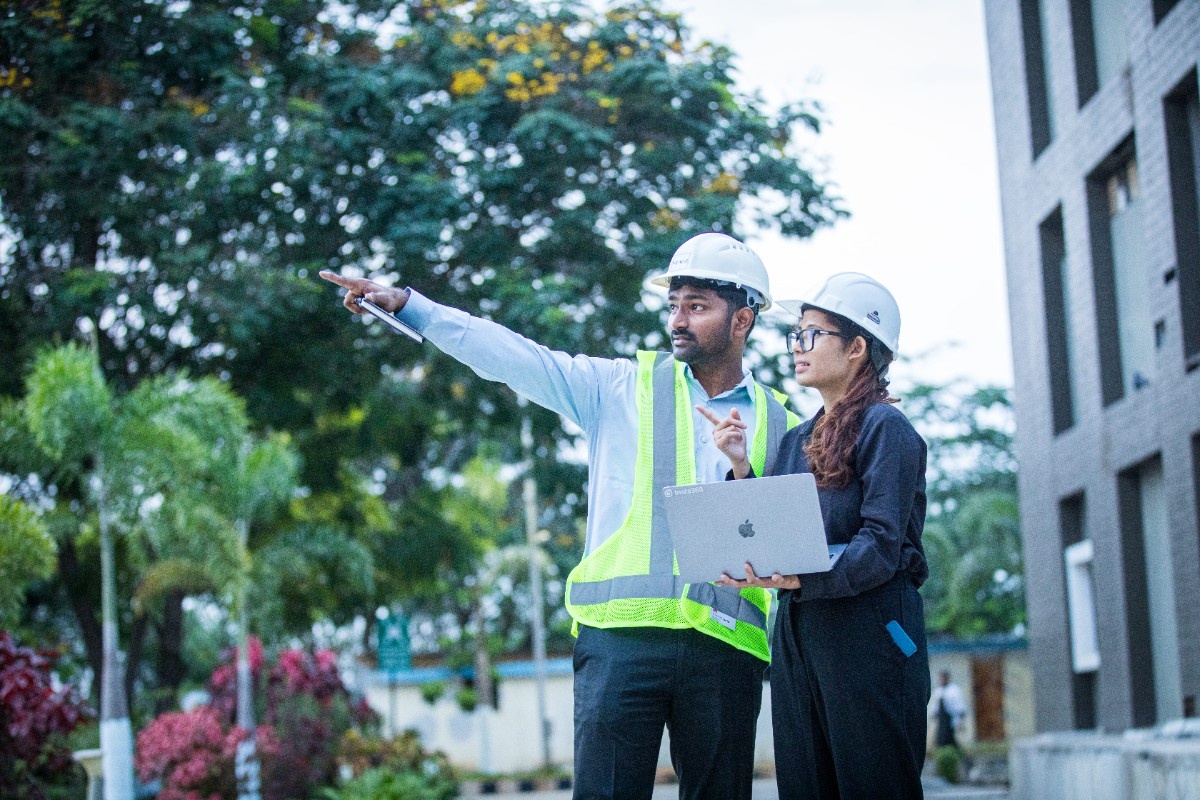
Students exploring construction management courses usually look for practical learning, not just theory. The training is centred on real project situations, where managing teams, timelines and resources becomes part of the role of a project manager in construction.


Why Mega Projects Demand a Broader Role

In large infrastructure projects, many tasks run at the same time. Different contractors handle their parts, timelines are set in advance, and budgets are fixed early on. Because the work is closely connected, even a small delay in one area can affect the overall progress of the project.

The role of the project manager in construction becomes important in such situations. The focus is not just on monitoring work but on keeping every part of the project aligned.

What changes in large projects:

  • Work is interdependent across teams

  • Delays in one area impact the full schedule

  • Cost control becomes more critical

Naturally, to deal with something this complicated, you really need to know how planning, cost, and execution work together. That is exactly what the construction management courses begin to cover in detail.

What You Study and Why It Matters

Most construction management courses are designed to link technical knowledge with real project needs. Instead of studying topics in isolation, students learn how different functions work together.

Core areas covered:

  • Project planning and scheduling

  • Cost estimation and budgeting

  • Contracts and procurement

  • Construction methods and execution

Each subject connects to a stage in project delivery. Together, they build construction management skills that help students understand both planning and execution in a practical way.

Learning That Reflects Real Work

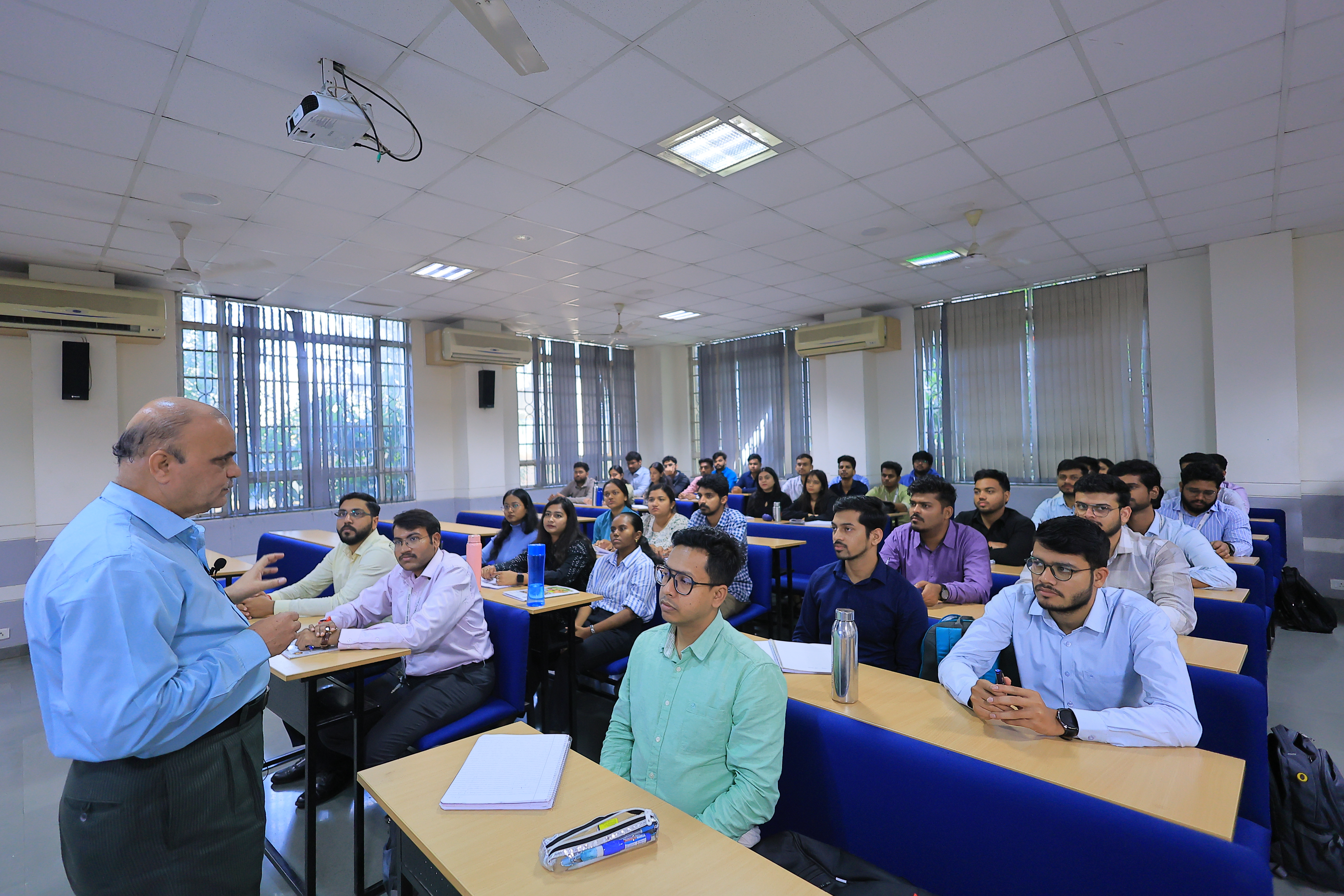
The way an MBA in Advanced Construction Management is taught plays a very important role in preparing students. After all, learning is not limited to theory. It needs to include practical exposure that reflects real work conditions.

Typical learning methods:

  • Scheduling exercises using project tools

  • Case studies based on real infrastructure projects

  • Assignments that follow project stages

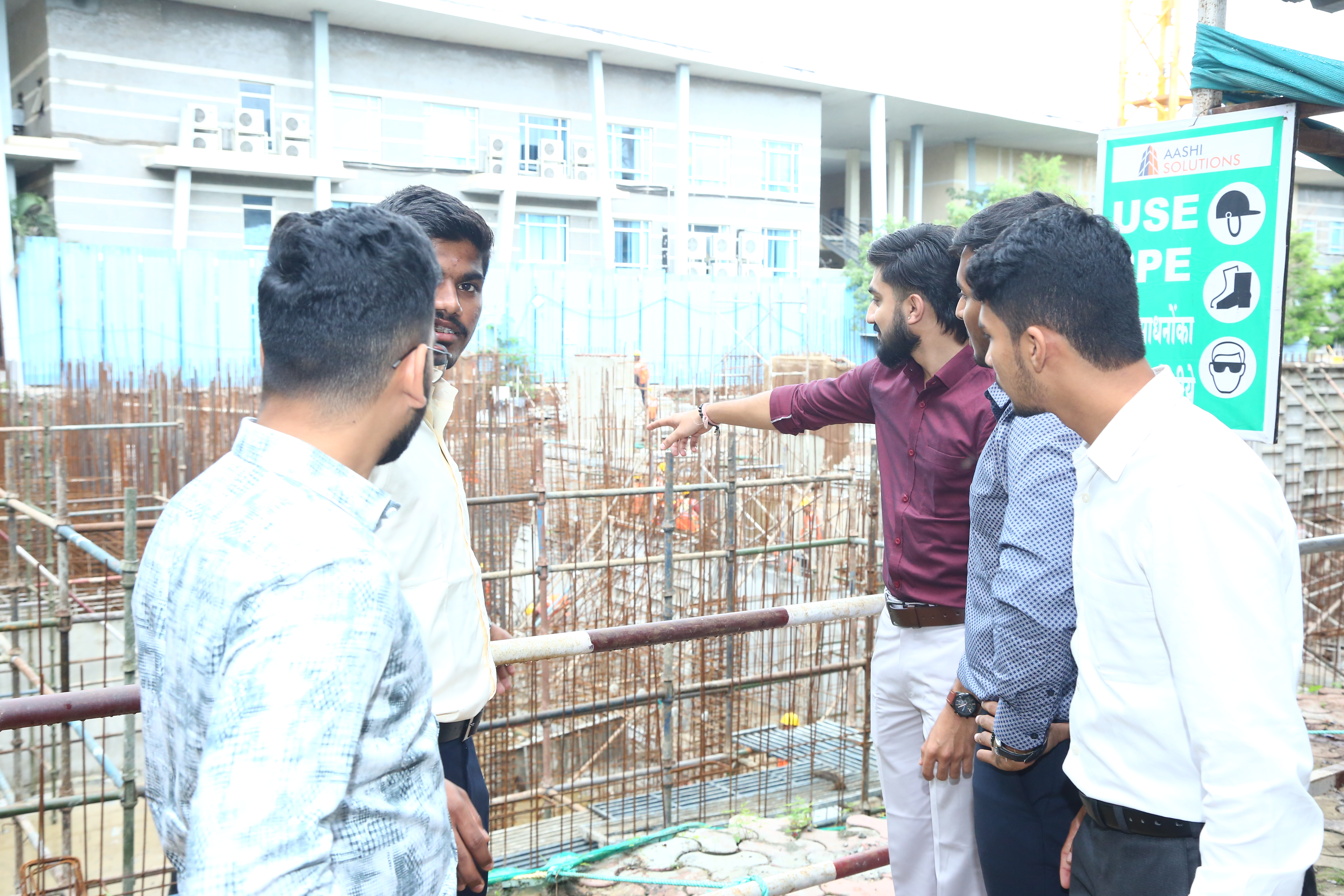
  • Site visits or short industry exposure

This approach helps students connect classroom learning with on-site challenges. For those considering construction management courses, this practical exposure builds confidence before entering the industry.

Understanding the Role You Are Preparing For

As students progress, they gain clarity about the responsibilities they will handle. The role of a project manager in construction involves managing time, cost, and coordination.

Key responsibilities include:

  • Planning project activities

  • Tracking progress against schedules

  • Coordinating with different teams

  • Managing changes without affecting outcomes

Moreover, an infrastructure project manager is expected to handle all these aspects while keeping the project on track. Through assignments and group work, students begin to think in this direction.

How Decision-Making Skills Are Built

Real projects often involve uncertain situations. Decisions need to be made quickly, and each choice affects the outcome. An MBA in Advanced Construction Management helps students build exactly this ability step by step.

Students learn to:

  • Balance time, cost, and resources

  • Make planning and procurement decisions

  • Respond to delays or unexpected issues

  • Work closely with teams to maintain progress

These experiences strengthen construction management skills and prepare students for real project environments.

Career Direction After the Programme

After completing construction management courses, students usually begin in roles that combine planning and execution. These roles help them understand how projects are managed at different stages.

Common entry roles:

  • Planning Engineer

  • Billing Engineer

  • Contracts or Procurement Executive

With experience, professionals take on more responsibility and gradually move into areas linked to large-scale project management. Over time, many progress towards roles such as infrastructure project manager, where they manage larger parts of a project.

Take the Next Step Towards Project Leadership

If you want to move ahead in construction, at some point, you need to step beyond execution and start taking ownership. An MBA in Advanced Construction Management helps you make that shift by showing how projects are planned, managed, and kept on track. The right construction management courses also help you understand how teams, timelines, and costs come together in real work.

In programmes such as MBA in Advanced Project Management at NICMAR, the focus stays close to real work. You learn how plans are made, how schedules are followed, and how teams deal with issues as they come up. Enroll today to kickstart your journey!

If you want to take on more responsibility, don’t delay the decision. Select a course that helps in building a real understanding of management skills and begin working towards handling larger projects.

Related Articles