Nobody tells you this when you're sitting in your third-year structures lab, but graduating with an engineering degree and actually knowing how to run a construction project are two very different things.

Most engineers figure this out around year two on the job. You're technically capable. You understand the drawings, the loads, the materials. But then someone puts you in charge of a site, or even just a work package, and suddenly you're dealing with subcontractors who are three weeks behind, a client who wants weekly reports in a format nobody explained to you, and a contract document you've never been trained to read properly. That's when it hits.

Technical knowledge gets you through the gate. Management knowledge is what determines how far you go once you're inside.

Why Construction Project Management Is Worth Taking Seriously as a Career Path

India's infrastructure sector isn't slowing down. Highways, metro corridors, ports, data centres, affordable housing. The pipeline is massive, and the money is flowing. What's consistently in short supply, though, is people who can actually manage these projects well.

That might sound like an overstatement. It isn't. Talk to any senior professional at a Tier-1 contractor and they'll say the same thing: finding good site engineers is hard enough, but finding someone who can run a project, handle the contracts, manage the schedule, control costs, and deal with the client? That's genuinely difficult. The industry has spent years trying to solve this by promoting technical people into management roles and then hoping they figure it out. It works sometimes. Often it doesn't.

Specialised construction management courses exist because of exactly this problem. They're not a workaround or a shortcut. They're a deliberate, structured way to build the skills that site experience alone doesn't always give you, at least not fast enough.

What the Role of a Project Manager in Construction Actually Looks Like

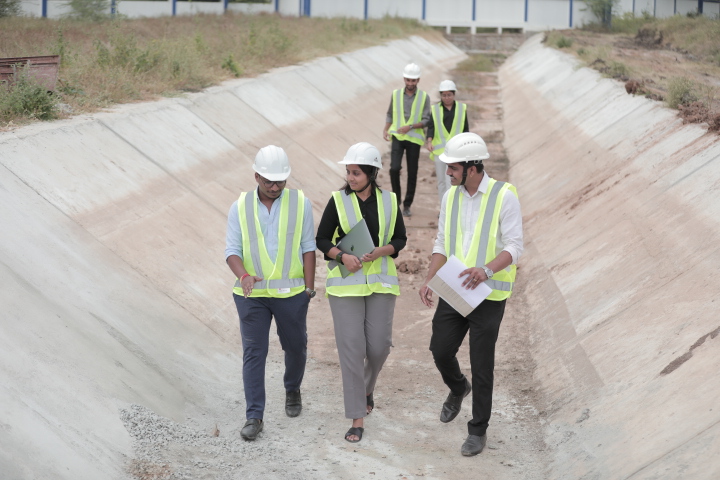
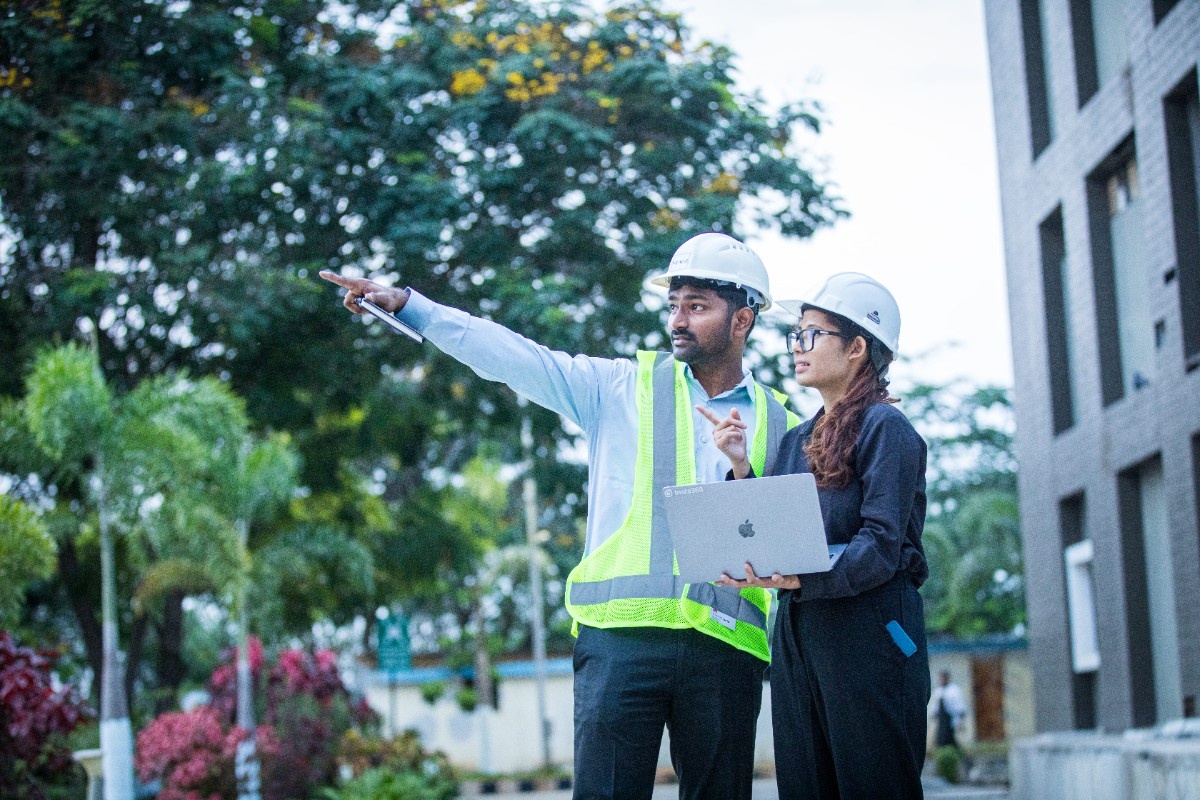
People picture a construction project manager as the person walking a site with a hard hat and a checklist. Sometimes that's true.

But the role of a project manager in construction is also the person sitting across from a client explaining why a milestone has slipped and presenting a credible recovery plan. It's the person reviewing a subcontractor's variation claim and deciding which parts are legitimate. It's signing off on a procurement strategy that locks in material rates six months before you need them, because the market's been volatile and waiting is a risk you can't afford to take.

These decisions carry real financial weight. On a mid-sized infrastructure project, a scheduling error doesn't just mean an awkward conversation with the client. It can mean liquidated damages running into crores. A poorly drafted contract clause can trigger years of arbitration. None of this is exaggeration. It's what construction looks like at scale, and it's why the people who can navigate it get paid the way they do.

Why an MBA in Advanced Construction Management Is Different from a Regular MBA

There's a version of this conversation where someone says: just do a regular MBA, it's more flexible. And look, that's a reasonable argument if you want to keep options open across sectors.

But an MBA in advanced construction management does something different. It's built around the actual operational reality of the industry. You're not studying generic supply chain theory. You're studying procurement in the context of how construction contracts actually get tendered. You're not just learning financial modelling. You're learning to read a project's cost-at-completion and understand what it means when that number starts drifting.

The techno-managerial blend is the whole point. Students come in with an engineering or architecture background, and the programme builds a management layer on top of what they already know rather than starting from zero. That's why people who complete an MBA in advanced construction management tend to hit the ground running in ways that generalist MBA graduates going into the sector simply don't.

Add to that the software exposure: Oracle Primavera, BIM packages, Microsoft Project, SPSS. You walk out with skills that are immediately usable on day one of a new role. That matters more than most people give it credit for.

Operations and Project Management: The Distinction That Actually Matters on Site

Here's something that doesn't get enough airtime in most conversations about construction careers.

Operations and project management are related, but they're not the same thing. A project has a defined end. Operations don't. Project management is about delivering something specific, a building, a bridge, a road, within a defined scope, timeline, and budget. Operations management is about the underlying machinery that makes an organisation capable of delivering projects repeatedly and profitably.

In construction, if you only understand the project side, you'll miss the systemic problems. Why does this contractor always run out of shuttering at the same point in every project? Why do procurement approvals consistently take longer than they should? These are operational questions, and they affect project outcomes constantly. The best construction managers understand both. They can zoom in on a specific deliverable and zoom out to see the process failures that are making that deliverable harder than it needs to be.

Construction Management Courses at NICMAR: A Straight Look at the Options

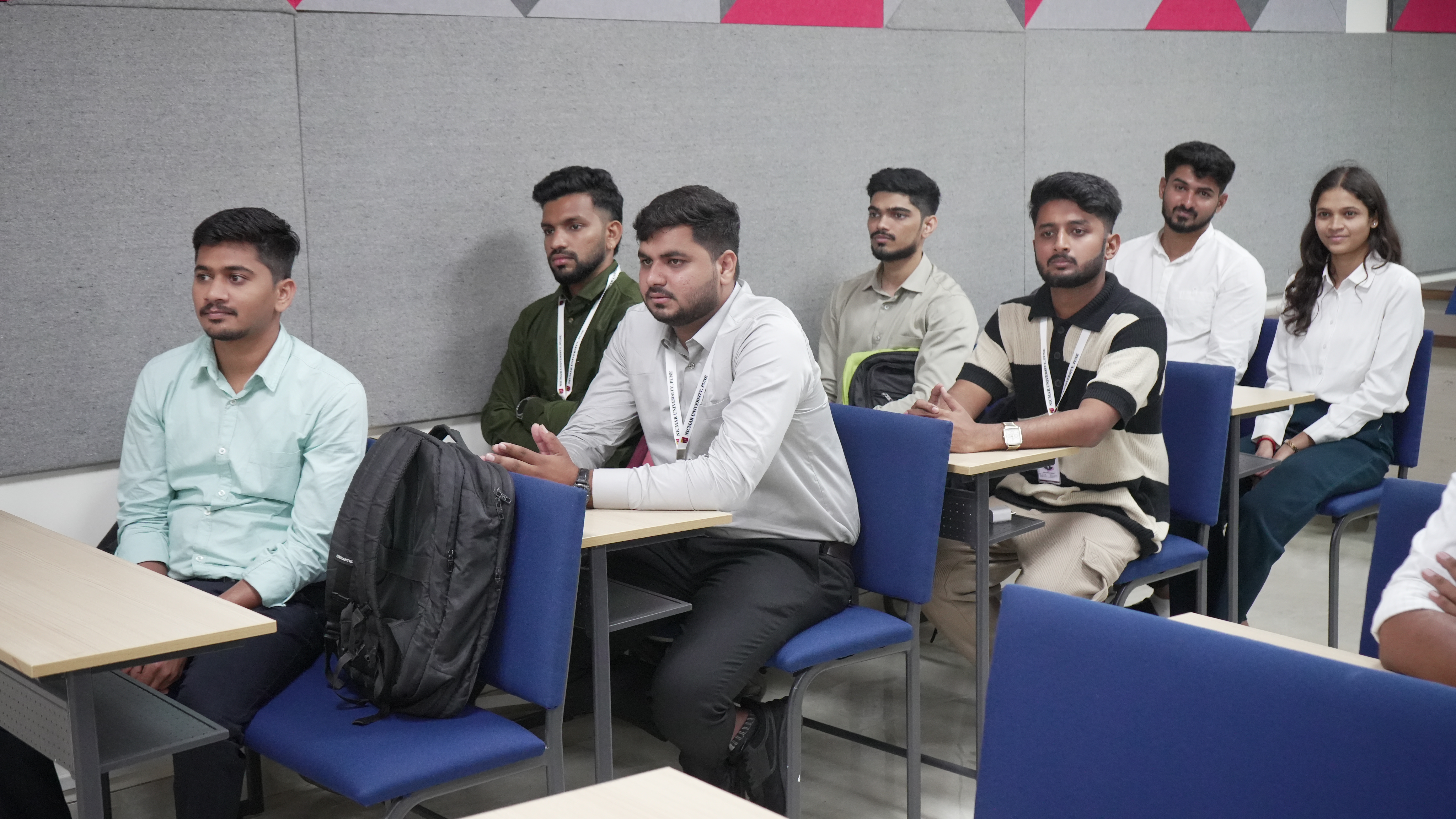
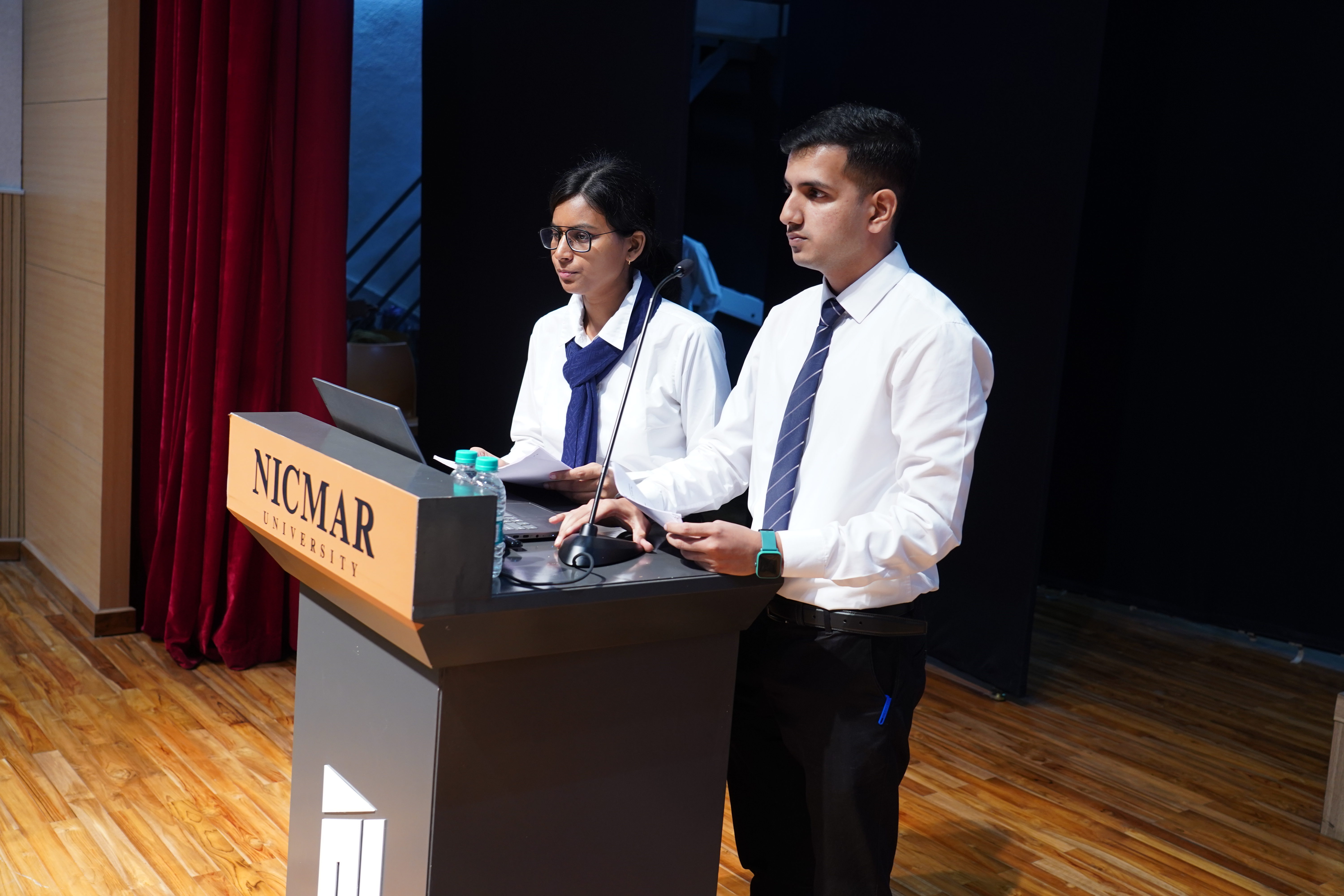
NICMAR University has been in this space for over 30 years. Its programmes feed into some of the biggest names in Indian construction, and its faculty mix of academic and industry backgrounds is legitimately strong. Here's what's on offer and who each programme is actually suited for.

MBA in Advanced Construction Management

The MBA ACM at the Pune campus is NICMAR's most well-known programme, and it carries a GAC-PMI accreditation, which means something concrete in terms of how the industry recognises it.

It's a two-year full-time programme for engineering graduates. The curriculum doesn't mess around: advanced estimation and quantity surveying, contracts and claims management, construction methods and technology, quality management, safety, BIM, project planning through both MSP and Primavera, and procurement and tendering. There's a mandatory summer internship midway through and a final-year research project.

More than 100 companies recruit from campus each year, including L&T, Afcons, HCC, Tata Consulting Engineers, Godrej Properties, and Lodha Group. The placement record speaks for itself.

NICMAR's Hyderabad campus runs its own MBA ACM, and while the core philosophy is similar, the structure is different enough to be worth understanding separately.

The programme uses a choice-based credit system and it's deliberately open to architecture, design, planning, and engineering graduates from all branches, not just civil. The construction and real estate sector has roles that need people with different backgrounds, and this programme takes that seriously.

Year two is heavily elective-driven. Students build a specialisation across five sectors: assessment and maintenance, sub-surface construction, transportation engineering, modern construction methods, or high-rise and real estate development. Domain electives span digital construction, project planning, procurement, and contemporary practice. The thesis is a year-long commitment and a proper piece of work.

MBA in Advanced Project Management, Hyderabad

This one is worth understanding on its own terms, because it's doing something different from the construction-specific programmes.

The MBA APM at NICMAR Hyderabad isn't focused exclusively on construction. It prepares students to manage complex projects across sectors: infrastructure, healthcare, energy, software, rural development, smart cities. The breadth is intentional. Subjects include project formulation and appraisal, logistics and supply chain management, enterprise resource planning, public-private partnerships, global project management, and project finance.

Eligibility is broader here too. A bachelor's degree in any discipline qualifies. So if your background isn't engineering but you want to lead large projects professionally, this is a legitimate route in. Over 200 companies visit the Hyderabad campus for placements every year.

M.Tech in Infrastructure Project Management

For engineers who want to stay closer to the technical side while building real management depth, the M.Tech IPM at NICMAR Pune is worth a serious look.

It covers hydropower and energy projects, transportation infrastructure, geospatial techniques, renewable energy infrastructure, construction risk management, BIM, and structural analysis, all across a two-year programme. It's rigorous. The defining feature is a six-month research project carried out on a live infrastructure project. Not a case study. An actual project.

Graduates go into roles like Planning Engineer, Contract Manager, Quantity Surveyor, and Infrastructure Execution Professional.


The Project Management Skills Nobody Lists in a Job Description but Everyone Wants

Every job posting for a construction management role lists the obvious things. Primavera experience, knowledge of contracts, quality systems, cost control. Fine. Those are real requirements and they matter.

But what actually separates good candidates from average ones once they're in the room? It's usually something harder to quantify. Can you hold a firm but fair position in a contractor negotiation without the conversation becoming a fight? Can you write a clear, defensible site instruction that would hold up if it ever came to a dispute? Can you explain a cost overrun to a client in a way that maintains trust rather than destroying it?

These are the project management skills that NICMAR's programmes build through case studies, live project exposure, internships, site visits, and four semesters of being pushed to think like a professional rather than a student. The placements aren't just a nice outcome at the end. They're part of how the programme signals to students what the real world actually expects from them.

Is an MBA in Project Management the Right Move for You?

Honestly, that depends on what you want.

If construction and infrastructure is where you want to build your career, the construction management track is the cleaner fit. The curriculum is specific, the placements are sector-focused, and the credential carries genuine weight in the industry.

If you want more flexibility, or if your undergraduate background isn't in engineering, an MBA in Advanced Project Management gives you options across a wider range of industries without boxing you into one sector.

What's not really debatable is whether the gap exists. It does. Between technical professionals who've spent years building depth in their field and management-ready leaders who can run a project end to end, the industry pays differently and promotes differently. Closing that gap deliberately, through the right programme, is one of the better career decisions you can make right now.

NICMAR's construction management courses have been helping people do exactly this for over three decades. If you're ready to take it seriously, the starting point is an application.

Explore your options and apply.

Related Articles