Engineers working in construction and infrastructure already deal with sustainability in practical terms every day. Material specifications with embodied carbon implications. Water systems designed under increasing resource scarcity. Energy loads that have to be justified against stricter compliance thresholds. The technical side of sustainability is not new to most of them.

What most of them are missing is the layer above that.

Policy frameworks, ESG reporting obligations, green financing structures, stakeholder communication strategies, environmental impact assessments that feed into regulatory approvals. These require a different kind of literacy. Not more technical knowledge, a different kind of thinking entirely.

That gap is what an MBA in Sustainable Energy Management is actually designed to close.

The Problem With Just Having Technical Knowledge

There is a version of this career that many engineers fall into. They become the person their organisation calls when a green rating submission needs to go in, or when a client asks sustainability-related questions in a project meeting. Useful, but limited. The work stays at the level of compliance task rather than strategic input.

The organisations shaping sustainability outcomes in infrastructure right now are not just applying technical fixes. They are restructuring procurement policies, setting internal carbon reduction targets with financial accountability attached, navigating environmental clearance processes that have grown considerably more demanding, and communicating performance to investors who increasingly factor ESG metrics into capital allocation decisions.

Running any of that requires management capability. Technical knowledge is the entry point, not the qualification.

What Changed in the Last Five Years

Sustainability used to sit at the edges of infrastructure and construction. A LEED rating here, a rainwater harvesting requirement there. Companies treated it as a reputational exercise more than an operational priority.

That has changed substantially. Green building mandates are tighter. Environmental impact assessment requirements for large infrastructure projects have teeth they did not have before. International funding bodies and an increasing number of domestic ones are attaching sustainability performance conditions to project financing. Corporate entities with infrastructure exposure are facing ESG disclosure requirements that require structured data collection across project portfolios.

A sustainability professional operating in this environment needs to understand how organisations actually function, how financial decisions get made, and how regulatory frameworks translate into operational requirements. An MBA in environmental management or infrastructure management, built around the built environment specifically, addresses exactly that combination.

What the NICMAR Programmes Cover

NICMAR runs two programmes that sit within this space.

The MBA in Sustainable Energy Management covers the environmental governance, sustainability strategy, and project management dimensions of the field. The MBA in Environmental Sustainability Management goes deeper into the ecological and resource systems side, which is relevant for professionals working in infrastructure with significant land, water, or biodiversity exposure.

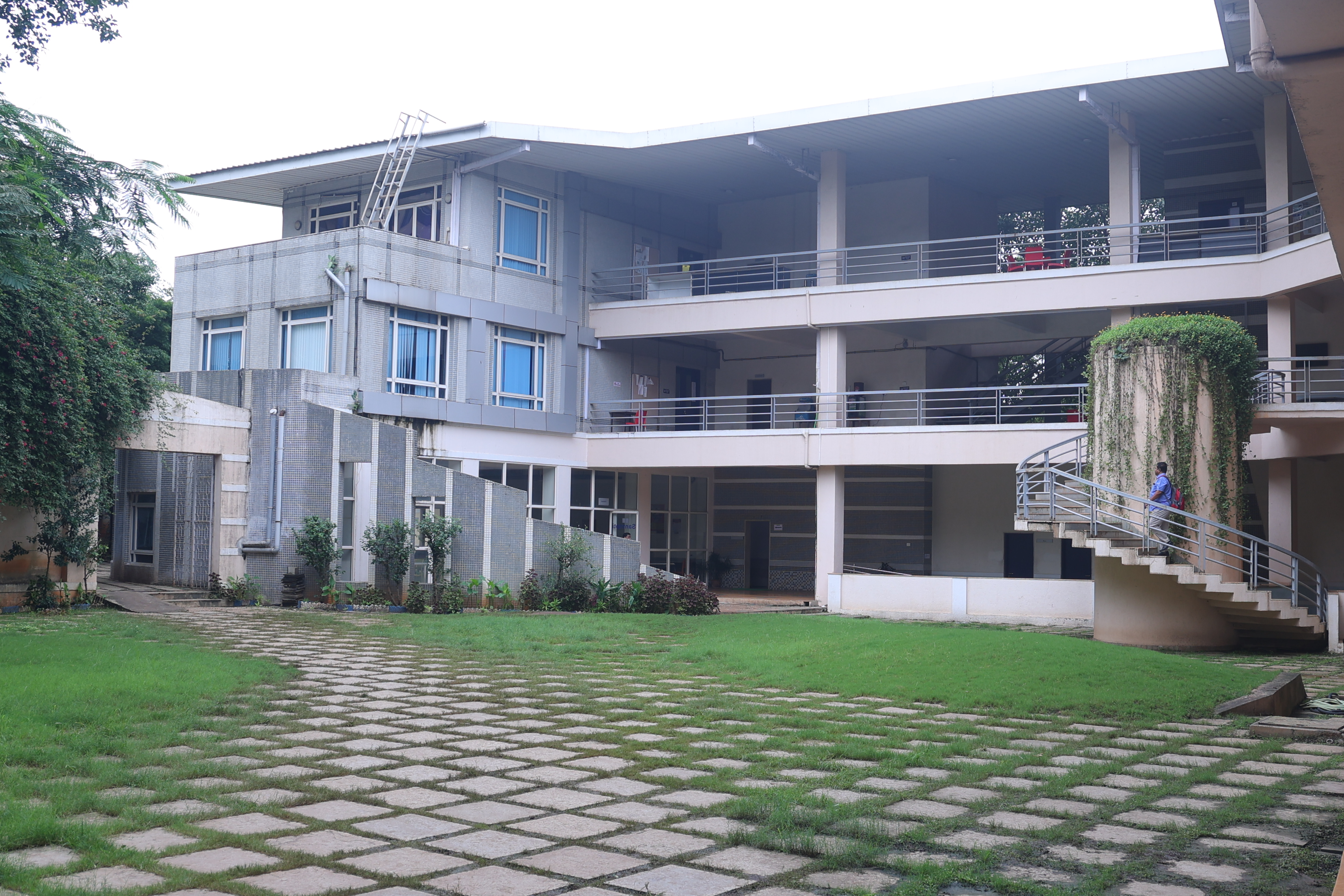
Neither is a general MBA with sustainability sprinkled in. The programmes are built within NICMAR's broader orientation around construction and infrastructure, which shapes how sustainability gets taught. The context is not a consumer goods supply chain or a retail operation. It is project-based, site-based, physically complex work where sustainability decisions have immediate construction and planning consequences.

That specificity matters. An engineer or built environment professional who goes through one of these programmes does not have to translate generic sustainability management frameworks into something that fits their industry. The curriculum starts there.

The MBA in Infrastructure Management Angle

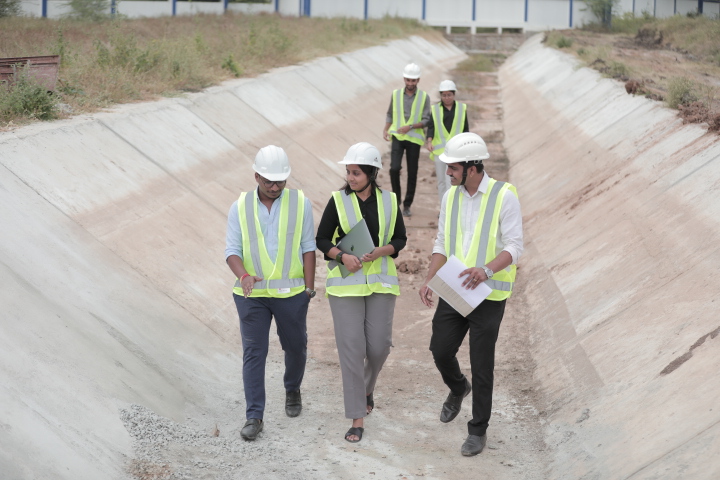
Large infrastructure projects such as highways, metro systems, water treatment facilities, and renewable energy installations are increasingly evaluated on sustainability criteria that go beyond design specifications. Lifecycle environmental performance. Community impact assessments. Carbon accounting across construction and operational phases.

An MBA in infrastructure management with sustainability embedded into it produces professionals who can handle the project delivery side and also engage credibly with the environmental performance expectations that now attach to major infrastructure funding. That is a combination the sector is actively short of.

Public sector bodies, multilateral development bank-funded projects, and private infrastructure funds all need professionals who sit at this intersection. The roles exist. The qualified people to fill them are harder to find.

What a Sustainability Professional Actually Does Now

The title has expanded considerably. A sustainability professional working in construction or infrastructure might spend one week preparing data for an ESG disclosure filing and the next reviewing contractor environmental compliance on an active site. The week after that might involve advising a developer on which green rating system makes sense for a mixed-use project in a city with specific local regulations.

This is not a narrow technical role. It is a cross-functional one, which means it requires the kind of broader management training that an MBA provides, plus the domain knowledge that makes that management training mean something in practice.

Engineers who add this credential to sector experience tend to move into roles that carry real organisational authority. Head of sustainability for a large contractor. Environmental and social governance lead for an infrastructure developer. Project director on funded projects where ESG compliance is a contractual requirement. Independent consulting, where the combination of technical background and management qualification builds credibility with clients who are still figuring out what sustainability governance should look like inside their own organisations.

What’s the Scope of a Career in Infrastructural Sustainability?

The scope is real but it is not evenly distributed. Roles in sustainability management in construction pay well and carry genuine influence in organisations that have committed to taking it seriously. Those organisations are a growing share of the market, particularly among larger contractors, listed developers, and infrastructure businesses with international exposure or institutional investors.

Smaller operators are behind the curve, which creates a different kind of opportunity. Sustainability consulting to mid-sized construction and real estate businesses is a growing segment precisely because those organisations need the expertise but are not large enough to carry it full-time in-house.

International scope is significant. The Gulf, Southeast Asia, and multilateral development bank-funded projects across South and East Asia and Africa all have sustainability requirements embedded into project structures. Indian professionals with credible qualifications and built environment backgrounds are employable in all of these markets.

Why the Built Environment Context Matters for This Degree

A generic MBA in sustainability management teaches frameworks developed across industries. Some of it translates into construction and infrastructure reasonably well. A lot of it requires considerable mental translation work before it is useful on a real project.

NICMAR removes that translation requirement. The institution is built around the built environment. Faculty come from construction, real estate, and infrastructure backgrounds. Case material reflects the actual regulatory, contractual, and delivery contexts that professionals in this sector work within.

For an engineer or a construction professional looking to build a career in sustainability management, that context is worth more than a stronger brand name on a more generic programme.

Explore NICMAR's MBA in Sustainable Energy Management and MBA in Environmental Sustainability to find the programme that fits where your career needs to go.

Related Articles