Construction is not short of projects right now. India allocated over ₹11 lakh crore to infrastructure spending in the 2024-25 Union Budget alone, and that number keeps climbing. The pipeline runs into the trillions, spanning highways, metro corridors, industrial clusters, and affordable housing across every state.

The problem? Projects stall. Budgets blow out. Timelines slip by months. Most of the time, the culprit is not poor engineering. It is poor management.

A PG Diploma in Advanced Construction Management trains you to fix exactly that. Civil engineers and architects with strong technical skills are valuable. Civil engineers and architects who also understand contracts, procurement, scheduling, and cost control are essential. That distinction matters enormously in the job market, and most engineering programmes simply do not make it.

If you are weighing your next step after graduation, here is a clear-eyed look at where this qualification actually takes you.

Key Takeaways

  • A PG Diploma in Advanced Construction Management bridges the gap between technical training and business leadership in the construction sector.

  • Career options include project management, quantity surveying, contract administration, infrastructure consulting, and real estate development.

  • Key hiring sectors span EPC contractors, government infrastructure bodies, real estate developers, PMC firms, and international markets.

  • Salaries scale significantly with specialization and experience.

  • NICMAR's PGDM in Advanced Construction Management is among India's most established pathways into this field, backed by five decades of industry placement.


What Can You Do With a PG Diploma in Advanced Construction Management?

A lot, actually. But the more useful framing is: what specifically does this PG Diploma train you for?

Technical engineering programmes teach you how things get built. A PG Diploma in Advanced Construction Management teaches you how the building of things gets organized, financed, contracted, and delivered. These are genuinely different skill sets. A structural engineer calculates load-bearing capacity. A construction manager ensures the project delivering that structure finishes on time and on budget, while coordinating ten subcontractors, managing a difficult client, and absorbing a three-week monsoon delay.

India's construction sector employs over 50 million people and contributes roughly 9% to GDP. Despite that scale, there's a persistent shortage of professionals who can actually manage large, complex projects. Most engineering colleges don't teach procurement cycles, earned value analysis, or dispute resolution. That gap is where this qualification positions you.

The career paths available after this programme range between the operational and the strategic. Some graduates prefer staying on-site, overseeing daily execution. Others move into offices, handling contracts and client relationships. A third group ends up in consulting, advising developers and governments on project structure. All three directions offer strong trajectories, and the best long-term profiles often start with exposure to more than one.

Top Construction Management Careers to Pursue

Project Manager

The most in-demand role in the sector. Project managers own the entire delivery of a project: timeline, budget, quality, team coordination, and client communication. When things slip, they figure out how to recover. When a contractor submits an inflated variation claim, they push back.

Entry-level roles in India pay ₹7–12 LPA. That ceiling moves fast. Senior project managers at major EPC contractors frequently earn ₹25–30 LPA, and those running large government infrastructure programmes can exceed that comfortably.

Quantity Surveyor / Cost Estimator

Construction projects live and die by their numbers. Before a spade hits the ground, someone needs to estimate what the whole thing will cost. After it breaks ground, someone needs to track whether spending matches those estimates. That's the quantity surveyor's job.

Large contractors, developers, and PMC firms hire aggressively in this space. Professionals with sharp analytical instincts tend to advance quickly here, often faster than in more generalist project management roles.

Contract Administrator

Every major construction project runs on legal agreements between owner and main contractor, between main contractor and sub-contractors, between developers and vendors. These documents govern payment schedules, risk allocation, and what happens when disputes arise.

Contract administrators manage that entire layer. The role has grown considerably in importance over the last decade as projects have become larger and more legally complex. It's one of the more underrated career paths in construction management, and the professionals who specialize here tend to be highly sought after.

Site Operations Manager

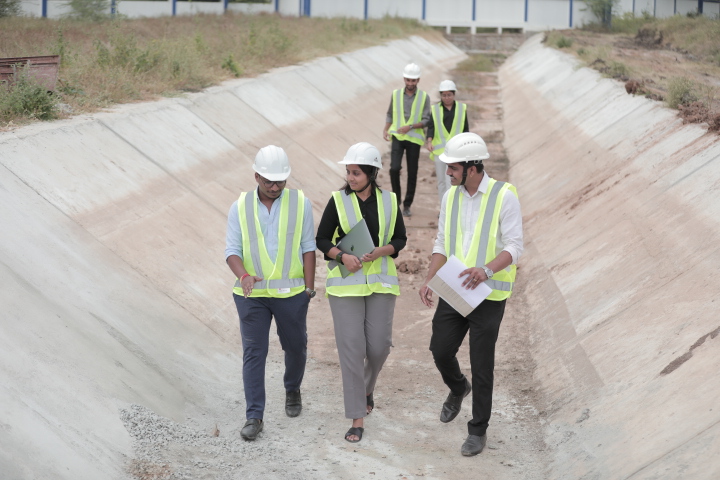
Not everyone wants a desk. Site operations managers oversee daily construction activities: managing labor, tracking materials, enforcing safety protocols, and reporting progress up the chain. It's high-accountability, hands-on work. Government infrastructure projects, large residential developments, and industrial facilities all need experienced people in this role.

Infrastructure Consultant

PMC and consulting firms hire construction management graduates to advise clients on how to set up and deliver projects. The work involves technical analysis, feasibility studies, stakeholder engagement, and written reporting. Consulting tends to offer strong early-career pay and something the other paths often don't: variety. You move between project types, sectors, and clients over the course of a year, which builds strong generalist judgment.

Real Estate Developer

Some graduates shift toward the business side of property development, working on land acquisition, project viability, and delivery oversight. A construction background is a genuine advantage here. You understand what drives project costs before you start selling floor space, which makes you a more credible voice in developer conversations from day one.

Which Industries Are Actively Hiring Construction Management Professionals?

Government and Public Sector

NHAI, RRTS, metro rail corporations, state irrigation departments, and municipal bodies run some of India's largest ongoing construction programmes. They hire construction managers directly and through PMC intermediaries. Government roles offer project diversity, job stability, and structured long-term progression.

EPC Contractors

This is where the bulk of hiring volume sits. L&T Construction, Tata Projects, Afcons, and Shapoorji Pallonji execute programmes across highways, bridges, industrial plants, and power infrastructure simultaneously. These firms hire at every seniority level and offer reasonably clear advancement paths for people who perform.

Real Estate and Housing

DLF, Godrej Properties, Lodha, Prestige, Sobha large developers run simultaneous projects across multiple cities. The surge in residential demand since 2022 pushed many of them to significantly expand their project management teams. That expansion hasn't slowed.

PMC and Consulting Firms

CBRE, JLL, Cushman & Wakefield, Mott MacDonald, AECOM these firms manage construction programmes on behalf of clients and hire specialists to do it. Roles here offer strong junior-level pay, faster career acceleration than most in-house developer positions, and exposure to international project management standards.

International Markets

Worth taking seriously. Gulf countries, parts of Southeast Asia, and East Africa consistently recruit Indian construction professionals. Gulf postings typically offer tax-free salaries, accommodation benefits, and compensation that works out to roughly ₹20–30 LPA in equivalent purchasing power. For someone five years into their career, the financial upside is significant.

What Does the Pay Look Like for a PG Diploma in Advanced Construction Management Jobs?

Let's be direct about it.

Fresh graduates entering construction management roles in India typically start between ₹6–9 LPA. With three to five years of experience, particularly in project or contract management, that figure rises to ₹12–18 LPA. Senior professionals managing large programmes, with strong delivery track records, regularly command ₹25–40 LPA in private sector roles.

Consulting and PMC roles tend to pay better than in-house developer positions at the junior level. The gap narrows as you get more senior, but the early-career premium at consulting firms is real and noticeable.

One factor driving faster salary growth right now is digital fluency. BIM (Building Information Modelling), Primavera, MS Project, and data-driven cost control platforms are becoming standard requirements across major contractors. Professionals who combine management credentials with working knowledge of these tools get promoted faster than those who rely solely on on-site experience. That's not a trend reversing anytime soon.

Is NICMAR's PGDM in Advanced Construction Management the Right Fit for You?

If you hold a civil engineering or architecture degree and want to move into a leadership role on the management side of construction, NICMAR's PGDM in Advanced Construction Management is one of India's most respected routes to get there.

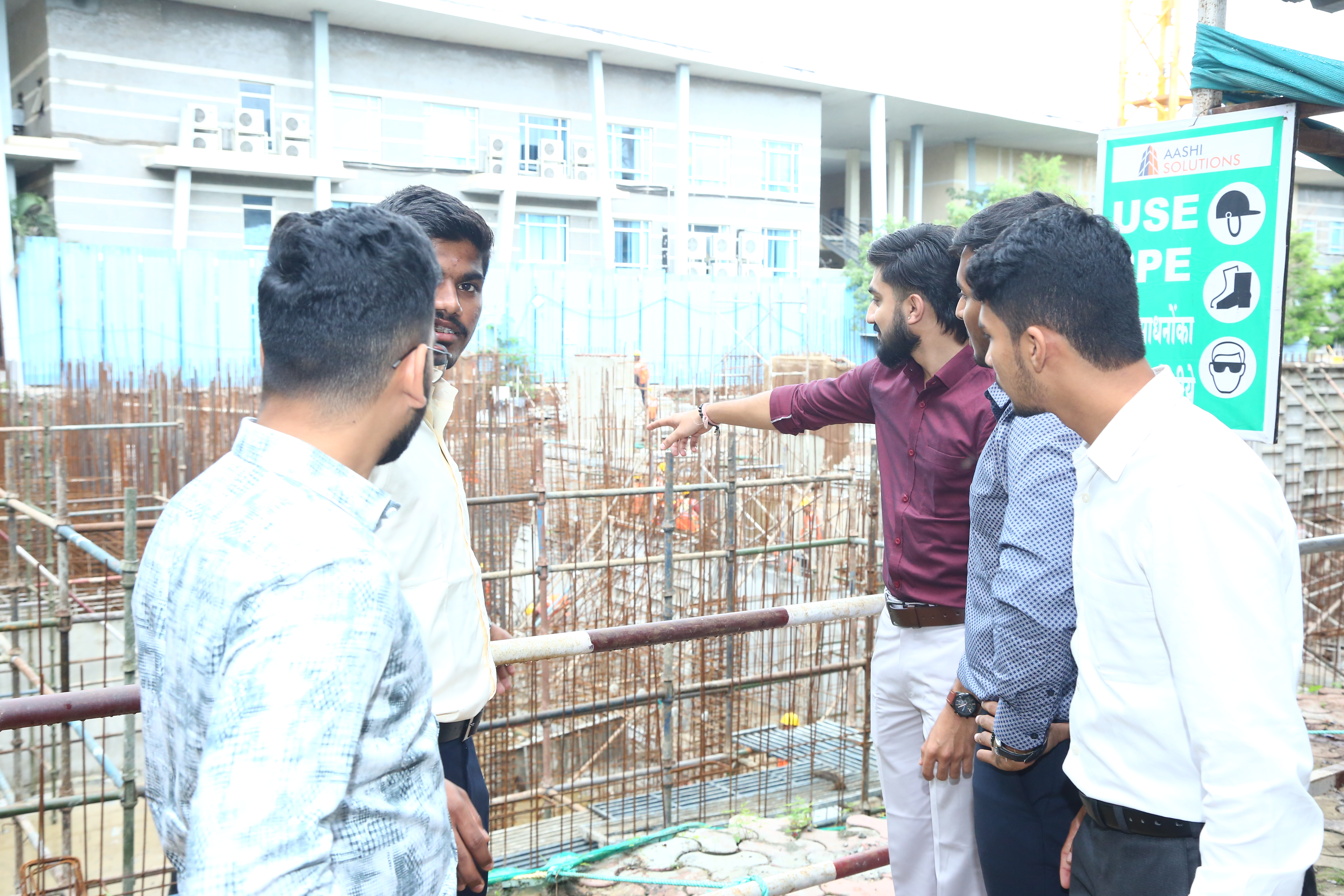
The programme covers project planning, contract management, construction finance, quality systems, procurement, and emerging areas like BIM and sustainable construction. Classroom instruction combines with site visits, case studies, and direct interaction with senior industry practitioners. You don't study theory in isolation. You engage with the actual decisions that shape real projects.

NICMAR's placement network spans over five decades. Graduates regularly enter organizations like L&T Construction, AECOM, CBRE, Tata Projects, Afcons, Shapoorji Pallonji, and NHAI. The institution's industry connections are active, not just names on a brochure.

Explore the full programme details, eligibility criteria, and application process on the NICMAR PGDM in Advanced Construction Management page.

Pulling It All Together

India's infrastructure ambitions over the next two decades will require a generation of professionals who can manage complexity at scale. Technical skills matter, but they're the baseline. Management skills are what determine who actually leads these projects.

A PG Diploma in Advanced Construction Management fills that gap directly. Whether your goal is project delivery, consulting, real estate, or international work, the career paths available to you are varied, well-compensated, and growing.

The sector has the demand. The roles are there. The question is whether you want to build the skills to step into them.

Related Articles