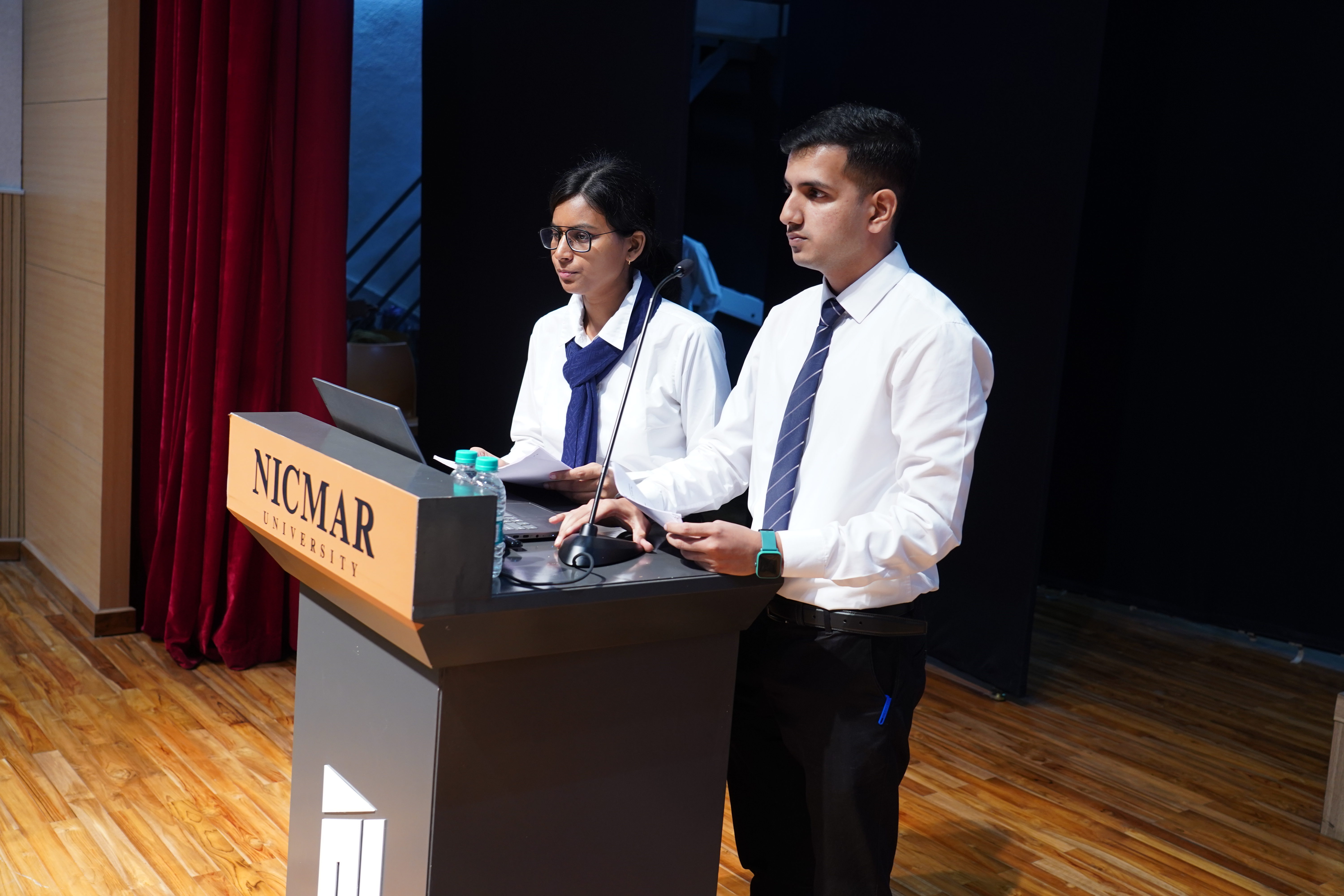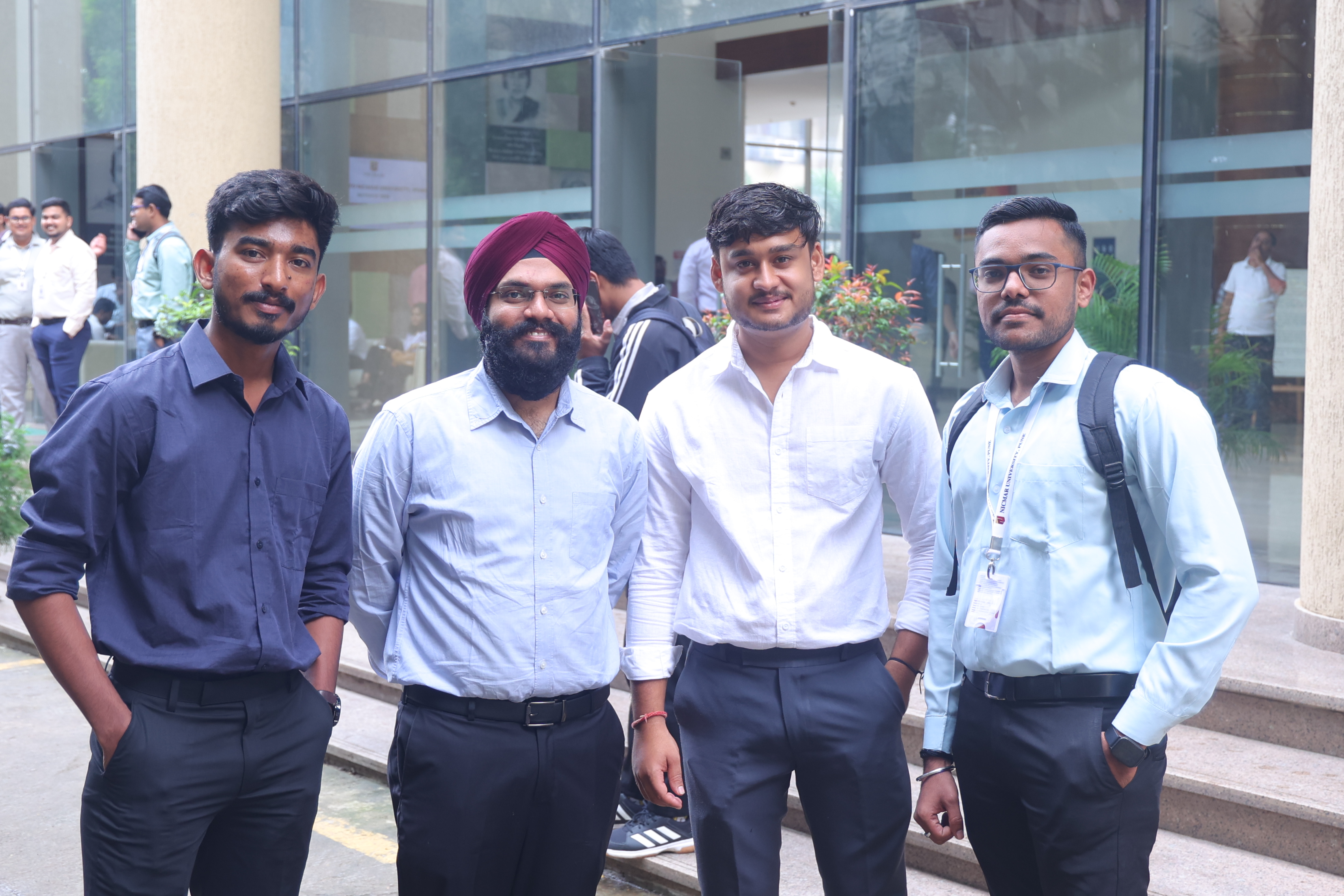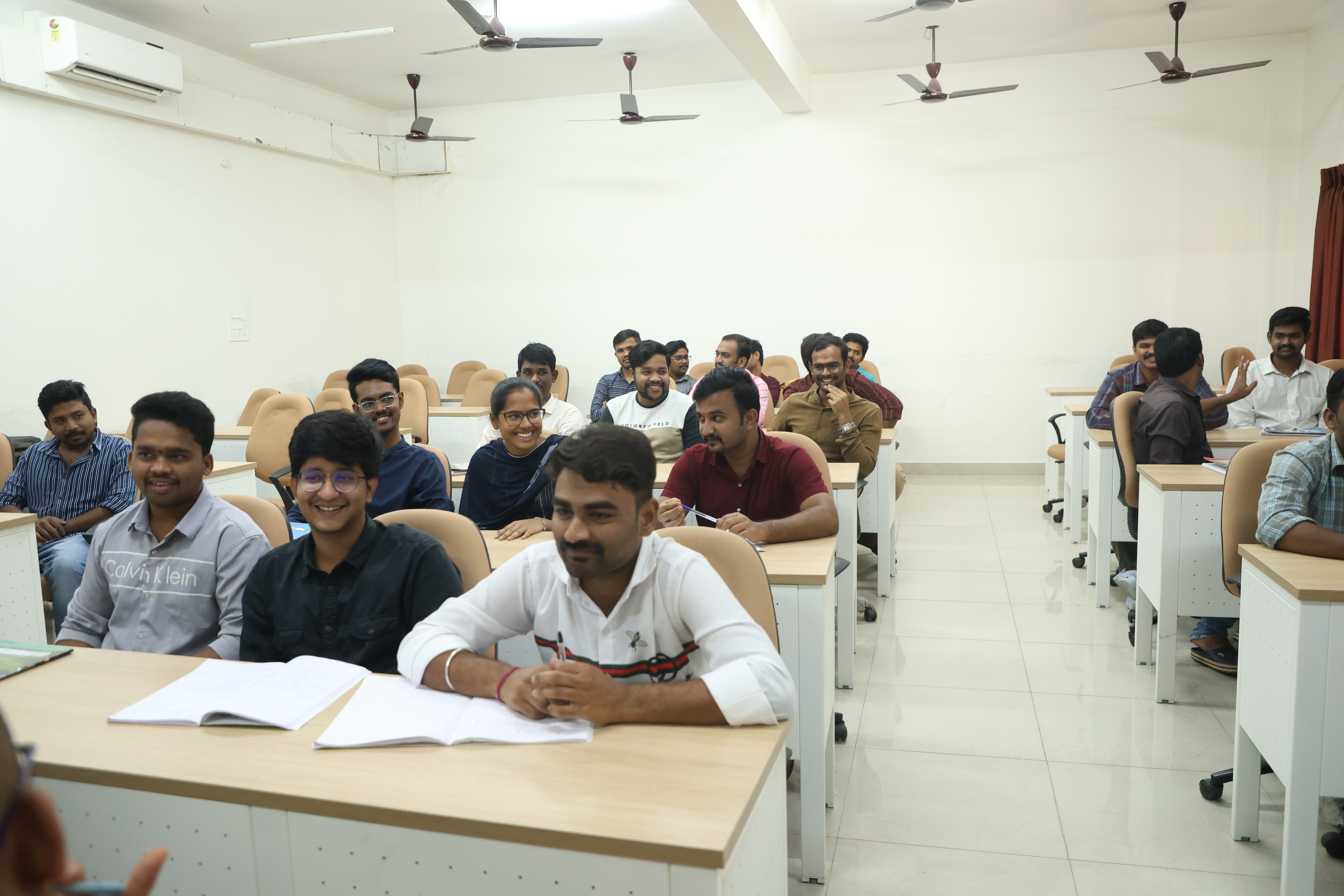
No blueprint. That's how this one started. Just a question, really: what if the students who'll eventually build India's infrastructure got a shot at solving its problems before graduation even happened?

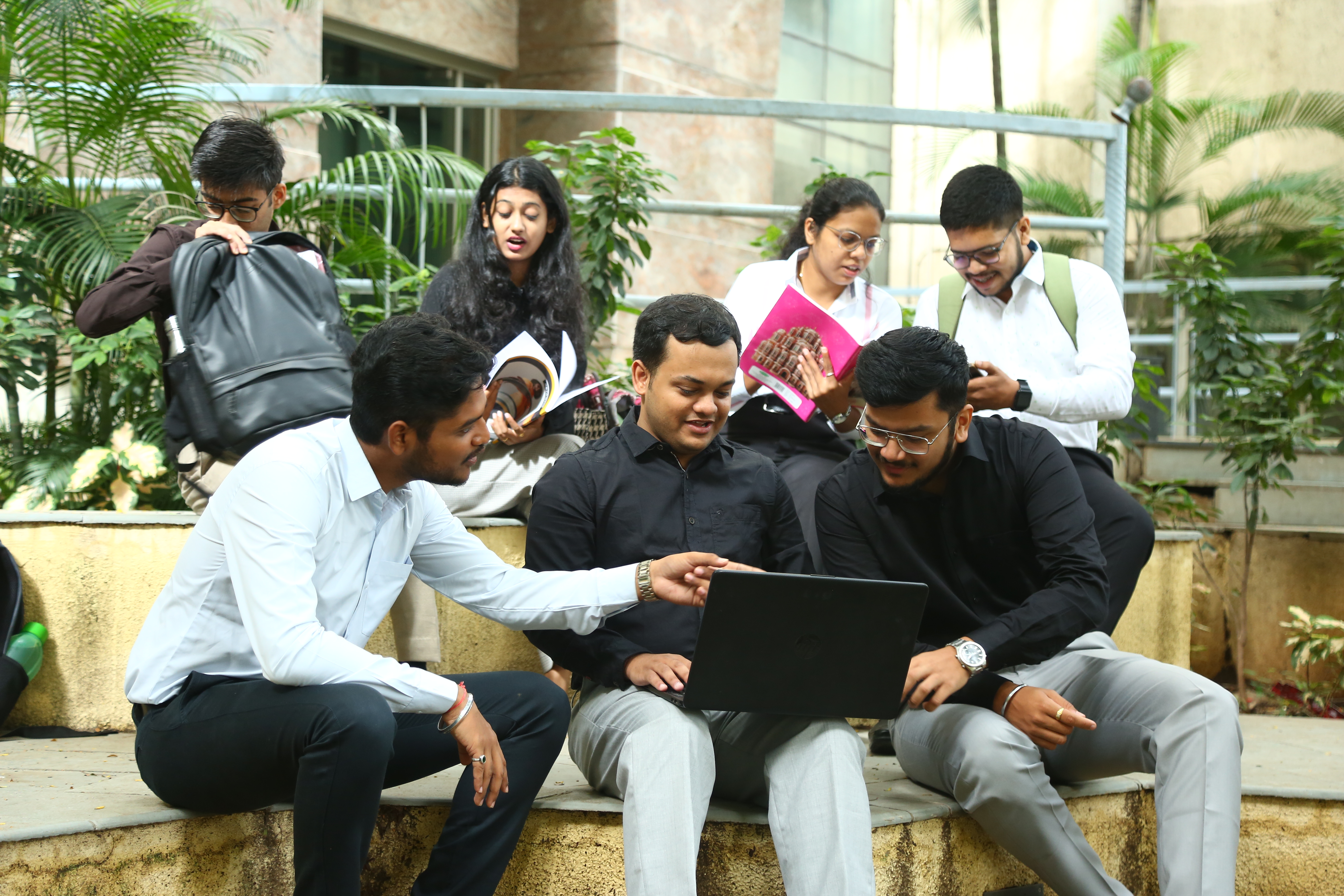
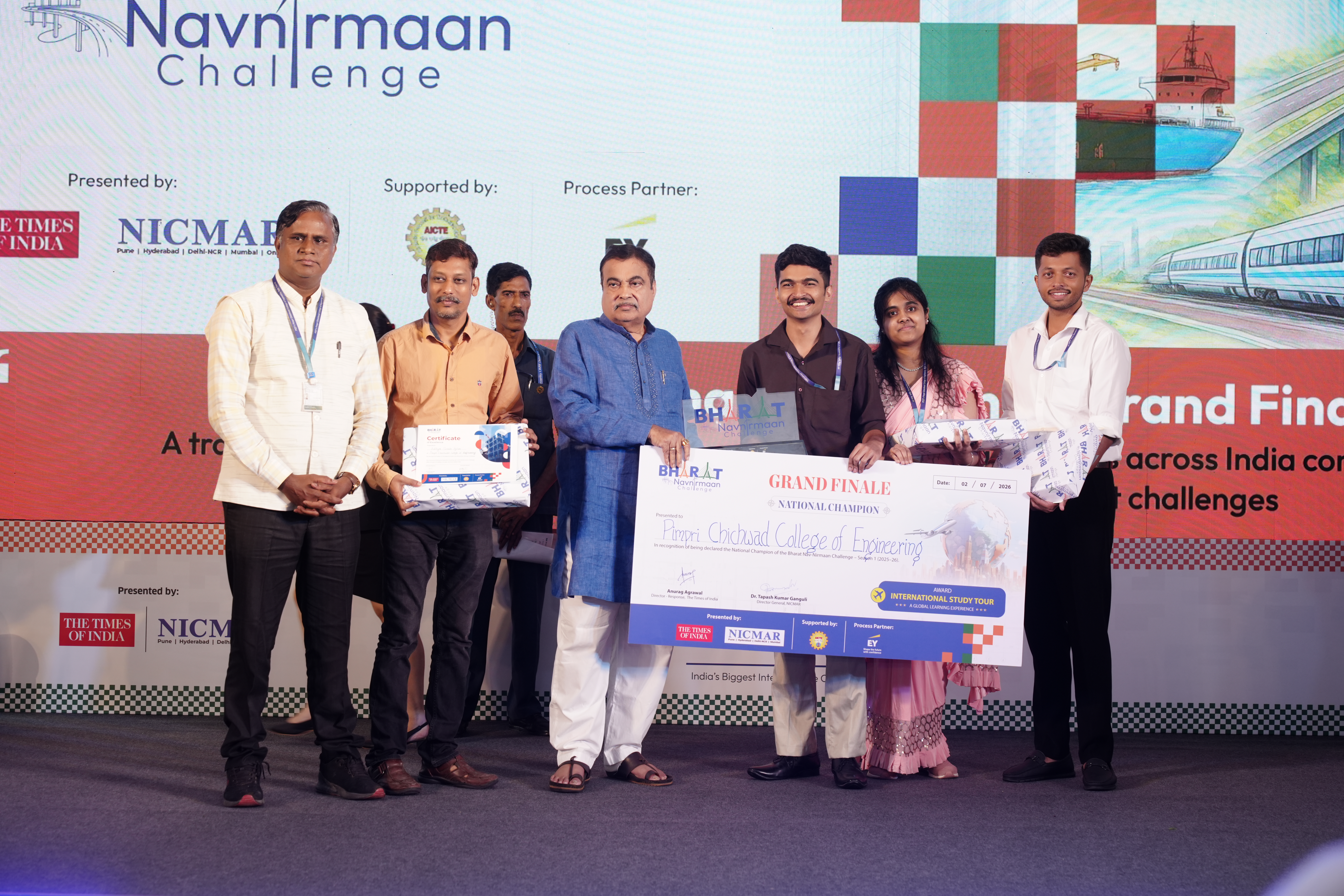
That question turned into the Bharat Nav-Nirmaan Challenge. An engineering innovation challenge presented by NICMAR and The Times of India, backed by AICTE, with EY on board as the process partner. Nobody expected a small turnout, but even so, 20,000-plus students from 500-plus colleges signing up caught people's attention. They didn't want theory anymore. They wanted to try their hand at real infrastructure challenges in India, the kind that don't come with answer keys.

Skim past that number if you want. But it says something about where this generation of builders wants to put its energy.

Key Takeaways

  • The Bharat Nav-Nirmaan Challenge is India's first national student innovation challenge built specifically for civil engineering and architecture students.

  • 20,000+ students. 500+ institutions. 11 cities, including Mumbai, Delhi, Pune, Hyderabad, Bengaluru, and Kolkata.

  • City rounds fed into three regional finals (Pune, Hyderabad, Delhi), which fed into a grand finale in Mumbai.

  • It ties directly into industry innovation and infrastructure sustainable development goals, pushing students toward sustainable construction thinking rather than treating it as an afterthought.
What Is the Bharat Nav-Nirmaan Challenge, Exactly?

India's answer to a fairly obvious gap, honestly. Civil engineering and architecture students spend years learning theory, but real infrastructure problems rarely show up with textbook-clean answers. They show up with budgets that don't stretch far enough, deadlines nobody asked for, land constraints, material shortages. None of that fits neatly into a lecture slide.

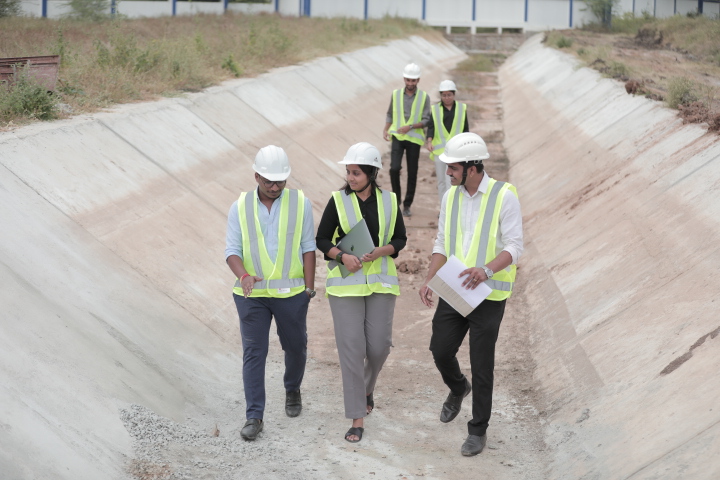
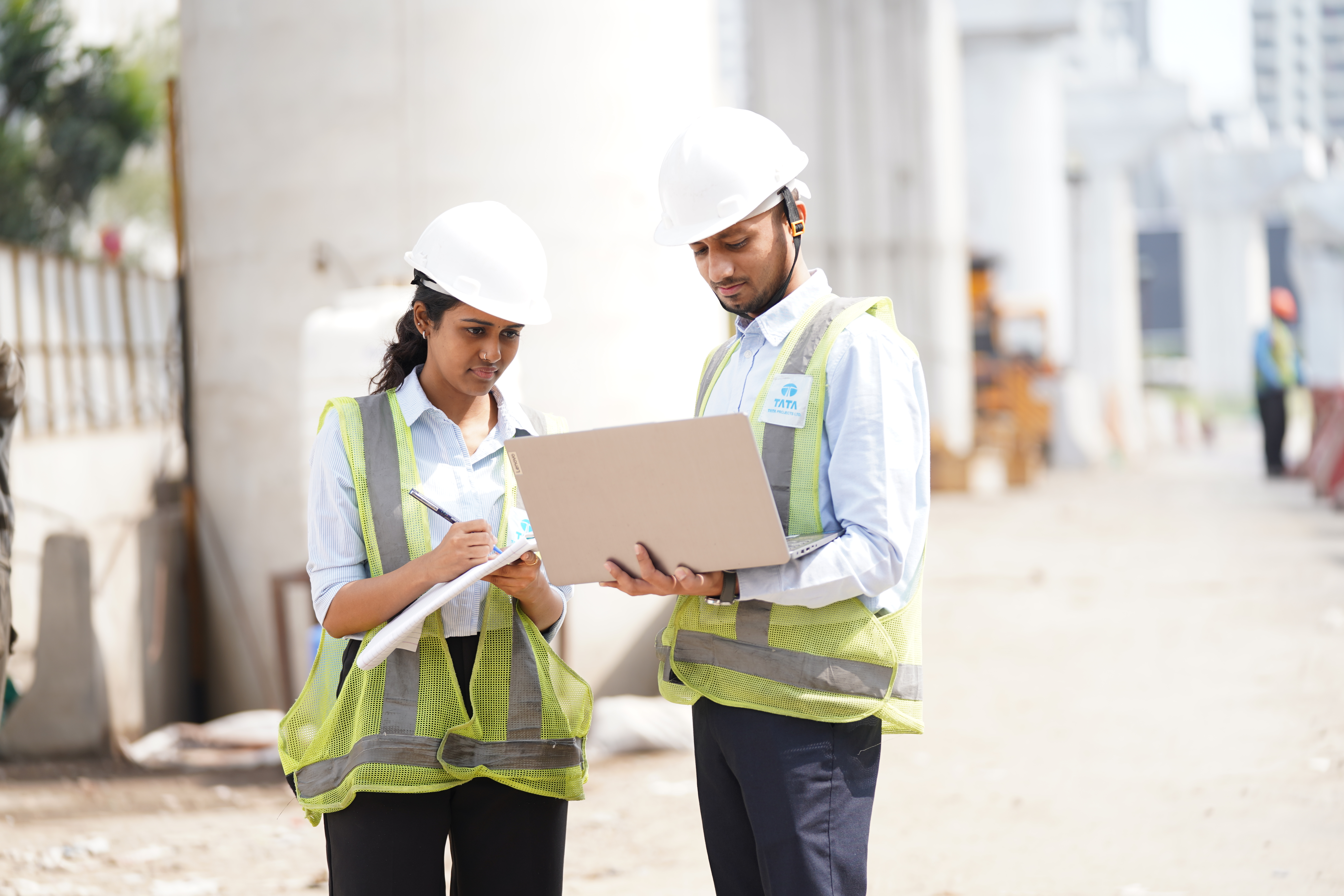
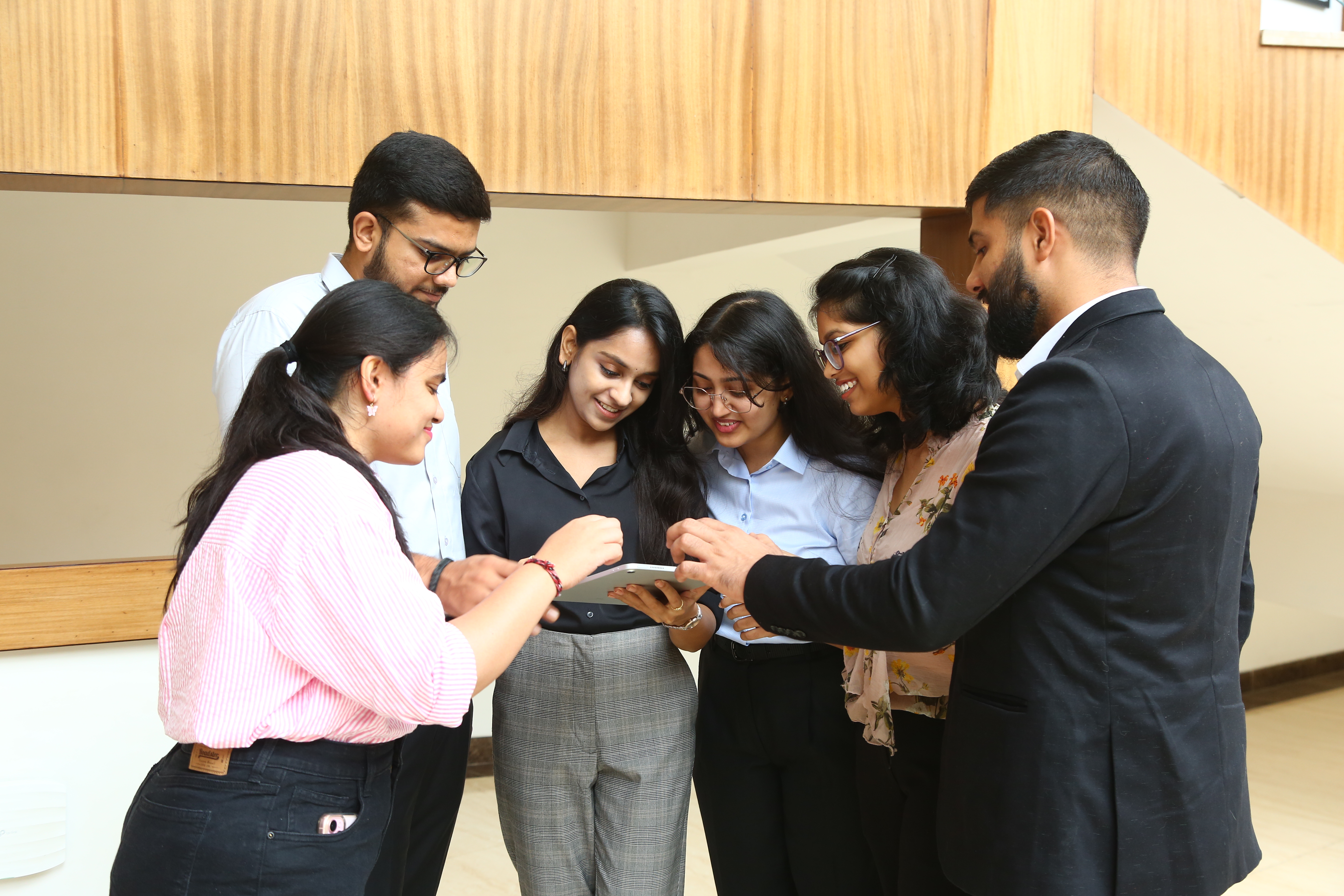
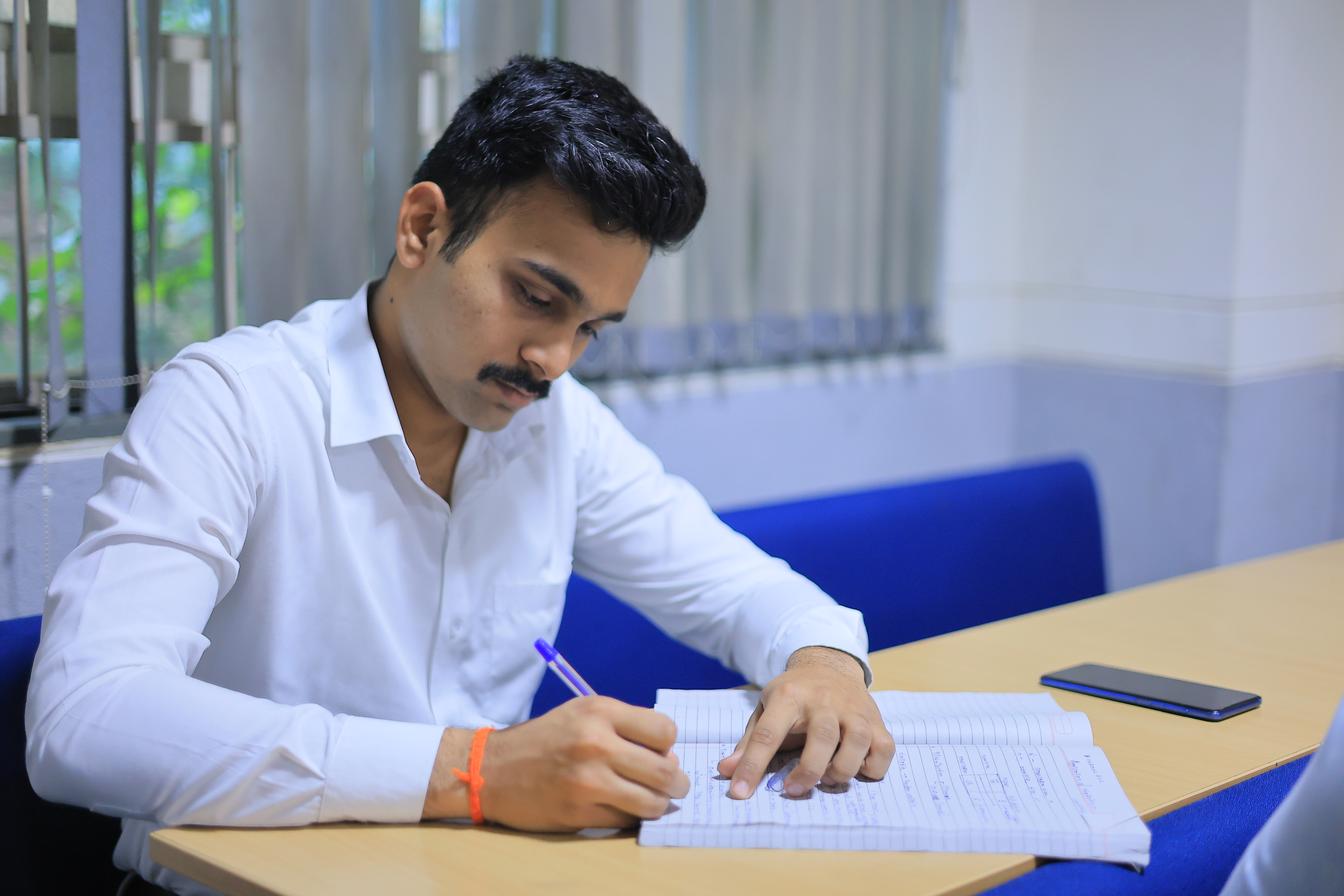
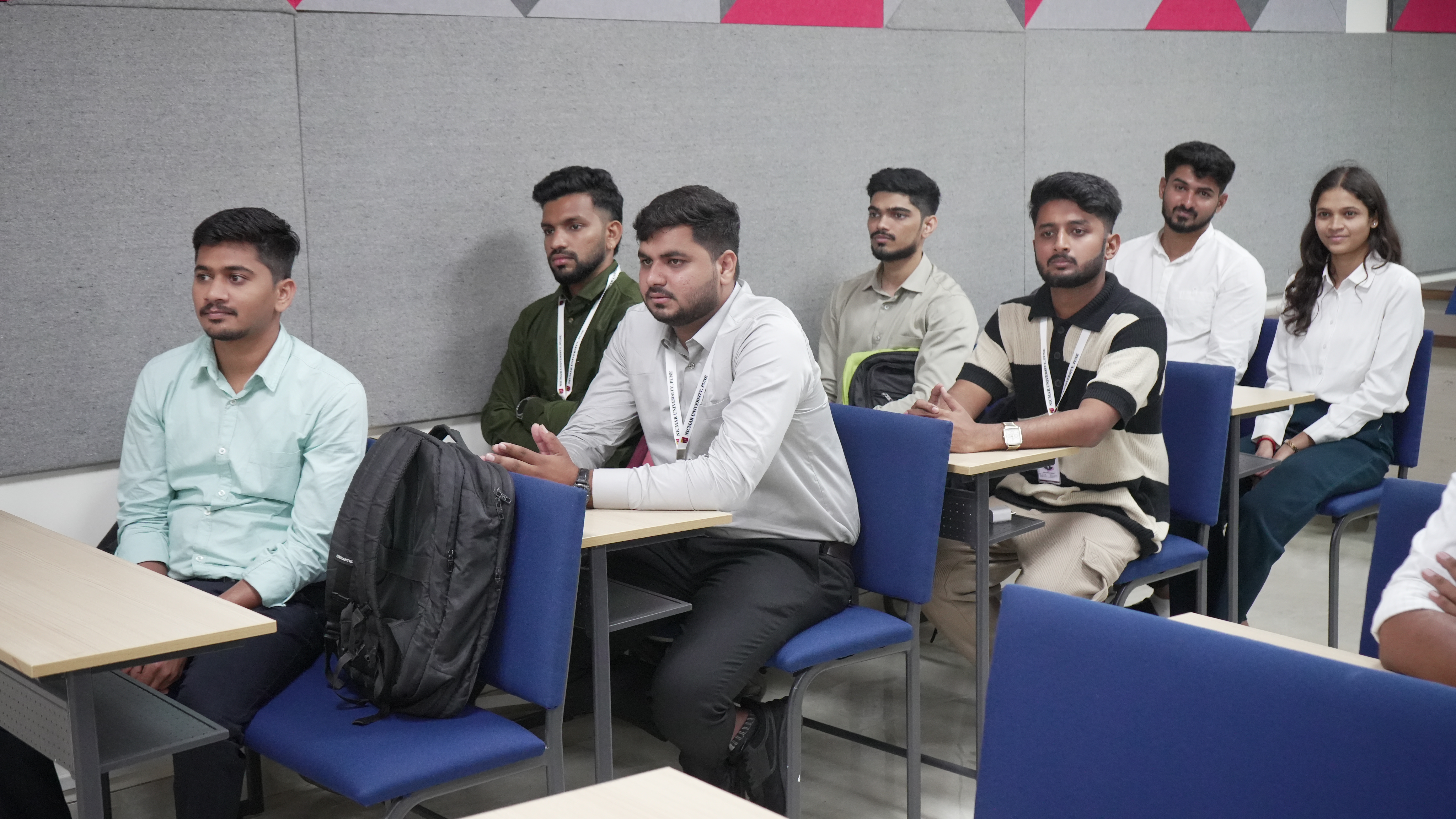
So the Challenge asked teams of three, mostly final-year and pre-final-year students across civil engineering, architecture, and allied disciplines, to pitch working solutions to genuine infrastructure problems. Not made-up ones. The kind Indian cities are actually dealing with right now.

Four stages stood between a team and the finale: college-level round, online submission, city finale, regional finale, and the grand finale. Long road. But that's sort of the point, isn't it? Real infrastructure projects don't get approved on the first pitch either.

Why Does Infrastructure Development in India Need This Kind of Push?

Here's the uncomfortable part. The scale of what's coming for infrastructure development in India is enormous, and the workforce meant to deliver it needs to be ready well before those projects land on anyone's desk.

Roads. Water systems. Housing. Transit corridors. India's next decade of growth rides on all of it moving faster than it has before, and moving smarter too. Which means the country doesn't just need more engineers sitting around with degrees. It needs engineers who've already been forced to think under constraint, who've defended an idea in front of a jury that didn't buy it right away, who've had to fix a plan mid-pitch because it fell apart under questioning.

A student innovation challenge earns its place exactly here. Not as a replacement for a degree. As the stress test a degree alone can't give you.

What Kind of Civil Engineering Projects Came Out of This?

Eleven cities. Mumbai, Ahmedabad, Pune, Kolkata, Delhi, Lucknow, Hyderabad, Bengaluru, Chandigarh, Kochi and Chennai. In each one, somewhere around 20 to 25 of the strongest teams competed just to move forward. Do the math and that's hundreds of civil engineering projects, each one chasing a different corner of the infrastructure puzzle.

Some teams zeroed in on cheaper, smarter materials. Others went after innovative infrastructure projects around urban water management, or affordable housing solutions that could actually get built without blowing a budget. What tied it all together? Every idea had to survive contact with reality. Slide decks don't count for much when a jury starts asking how it'd actually get funded.

This is innovation in civil engineering with the polish stripped off. Messy. Argumentative, even. Students had to defend their reasoning to people who've actually built things, not just graded papers on them.

Where Does Sustainable Construction Fit Into All This?

You can't really separate India's infrastructure future from sustainability anymore. Those conversations merged a while back.

The Challenge treated sustainable construction as a baseline, not something bolted on at the end for bonus points. That connects straight back to industry innovation and infrastructure sustainable development goals, the same priorities driving national policy right now and shaping how global development frameworks think about growth.

It wasn't just a talking point either. Judges scored projects on practicality and cost efficiency right alongside environmental impact. A polished idea that ignored resource limits simply didn't move forward, no matter how good it looked on paper. That filter is exactly how industry innovation and infrastructure in India shifts from concept to something that actually gets poured in concrete.

What Happens After the Grand Finale? Careers Beyond the Challenge

Say a student makes the finale. Pitches well. Maybe even wins. Then what?

For many participants, the Bharat Nav-Nirmaan Challenge offered an opportunity to apply classroom knowledge to real-world infrastructure problems while interacting with industry experts. Experiences like these can help students gain a clearer understanding of the skills and knowledge required to build a career in the infrastructure and construction sectors. 

For final-year and pre-final-year students looking to deepen their expertise, higher education in areas such as construction management can be a logical next step. Programmes like an MBA in Advanced Construction Management combine technical knowledge with project management, business strategy, and leadership skills, preparing graduates for roles across the infrastructure ecosystem.

As India's infrastructure sector continues to evolve, professionals who can balance engineering expertise with managerial decision-making are likely to play an increasingly important role in delivering complex projects at scale.

A Generation That Stopped Waiting

What stands out most is that nobody made these students wait until graduation to matter. They got handed a real problem, a real deadline, a jury that wasn't going easy on them. And they built something anyway.

That's a different kind of education than most people get. Twenty thousand students showed up for it, which tells you something about how badly India's infrastructure sector needed this.

The inaugural season wrapped in Mumbai. But honestly? The finale isn't really the story here. It's the hundreds of civil engineering competition India teams who walked away sharper than they started, asking better questions, understanding a little more clearly what building this country actually takes.

Related Articles