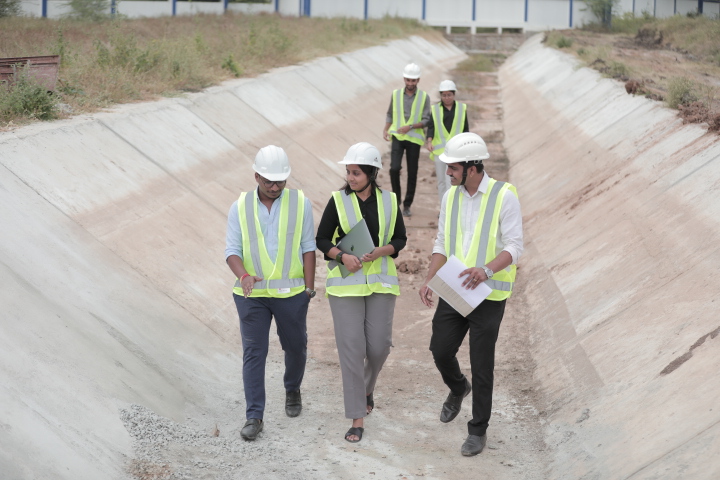
Cities are growing, and the pressure on basic systems is easy to see. Traffic is increasing, housing is expanding, and services are trying to keep up. In many places, the gap between growth and planning is already visible.

At the same time, more people are moving into cities, especially in India. This means city infrastructure has to handle more demand than before. Managing this growth is not simple because multiple systems have to work together.

Governments are working on smart city projects to improve how transport, utilities and public services function. But once work begins, things do not always go as planned. Different teams, timelines and systems need to be handled together.

This makes one thing clear. Better coordination and planning are now essential. In large projects like these, efficient management and strong project leadership are not optional; they are necessary.


Where Smart City Projects Become Difficult

Typically, at the planning stage, projects look very clear. Timelines are set, and responsibilities are defined. 

But once work starts, things don’t go exactly as planned. Different teams work on different parts, and they don’t always move together. Work on roads, utilities and construction often moves at its own pace. Approvals may get delayed. Materials may not arrive on time. Even a small delay can affect the overall schedule.

This is common in large urban infrastructure projects. For smart city developers, the challenge is to keep all parts of the work moving together. That is why infrastructure management becomes necessary.

The Role of Project Managers in Smart City Projects

Work on these projects rarely moves at the same pace. Teams depend on each other, but their progress does not always match. This makes coordination a constant part of the job.

Project managers handle this part of the work. In smart city projects, their role is not limited to tracking timelines. They stay involved in how different teams coordinate and how the work moves from one stage to the next.

Their work usually includes:

  • Breaking large plans into smaller parts so the work is easier to manage on-site.

  • Staying in touch with contractors, consultants and government authorities to avoid confusion.

  • Keeping track of the overall budget.

  • Noticing issues early and making adjustments before they become bigger problems.

  • Checking that the work follows required standards and does not create issues later.

Moreover, the role of project manager in construction is to manage alignment and keep the project moving without major disruptions.

Why These Projects Require Strong Skill Sets

Smart city projects are not like regular construction work. They involve a mix of physical infrastructure and systems such as data networks and public services. Because of this, project managers need to understand more than just construction.

They are expected to:

  • Work with planning and scheduling tools

  • Understand contracts and cost structures

  • Coordinate across multiple teams

  • Keep track of compliance and basic sustainability requirements

In real projects, plans change often. Decisions need to be made quickly. Many professionals realise after entering the industry that they were not fully prepared for this level of responsibility.

How Education Makes a Difference

Many of these skills are not picked up easily during the first job. Most professionals understand project coordination, contracts or planning tools only after facing real site situations.

In projects handled by smart city developers, work continues over long durations and involves multiple teams. Being prepared for this kind of setup helps in handling responsibilities with more clarity from the beginning.

Now, building this understanding earlier makes the transition easier. Programmes such as construction management courses or an MBA in project management focus on how projects are handled in actual work environments. They cover planning, coordination and execution in a structured way. In fact, an MBA in Advanced Construction Management is more suited for those aiming to work closely with project delivery, contracts and timelines. Whereas a PGDM with specialization in Advanced Project Management can help build a basic foundation for entry-level roles.

Career Scope in Smart City Development

Infrastructure development is expanding steadily, especially in India. Programmes such as the Smart Cities Mission are increasing investment across transport, housing and utilities.

This has led to a growing need for professionals in infrastructure management. Students who complete construction management courses or an MBA in project management often move into roles such as planning engineer, project coordinator or contracts manager.

In fact, each of these roles is linked to how city infrastructure is delivered and maintained. The work involves managing progress, coordinating teams and ensuring that projects stay on track.

Build Your Career in Smart City Projects with NICMAR

Now that you know, smart city projects require professionals who can manage real project conditions, not just theoretical concepts, handling timelines, teams and execution challenges needs proper preparation.

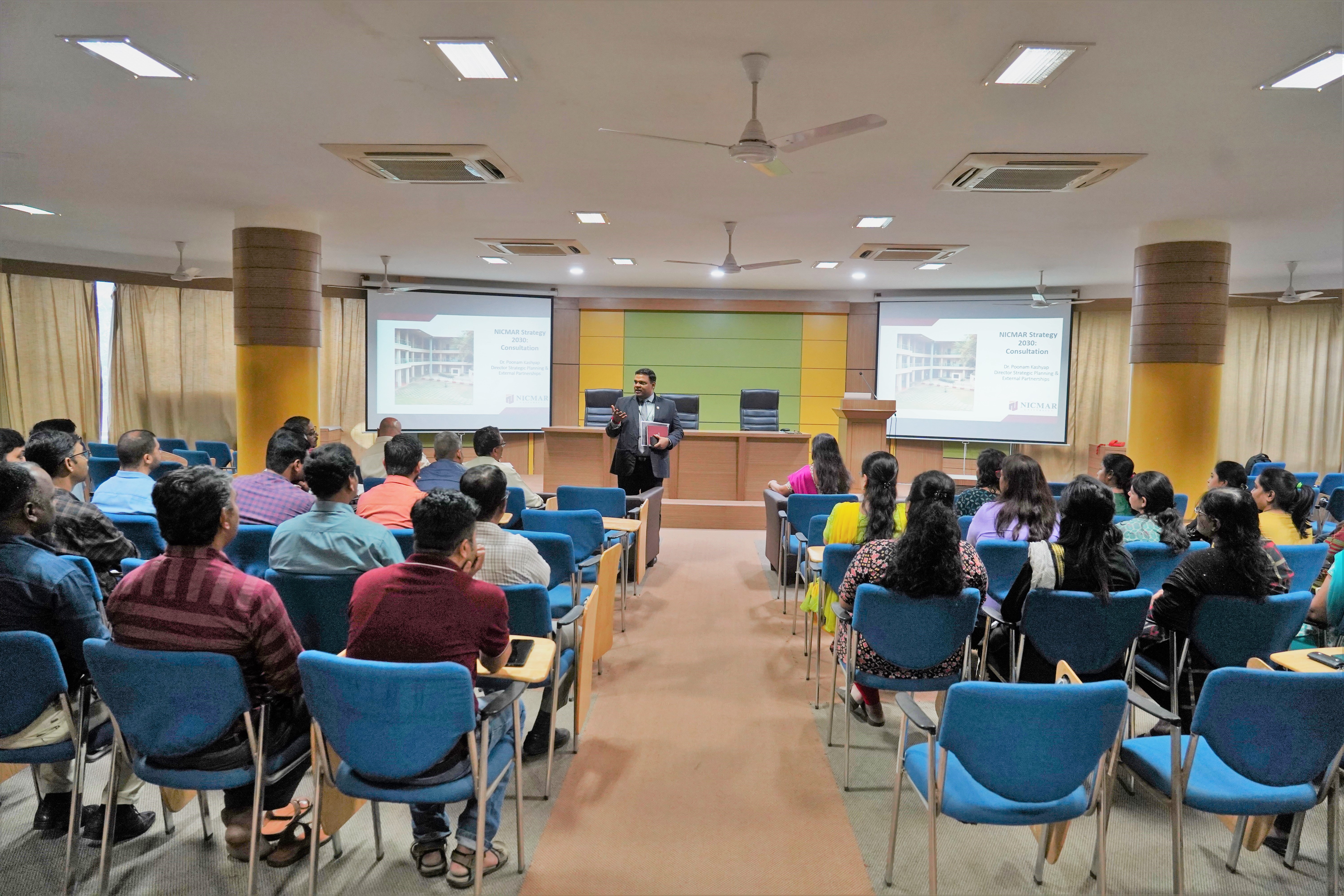
NICMAR’s construction management courses and MBA in Advanced Project Management are designed with exactly this in mind. The programmes focus on planning, contracts, digital tools and practical exposure to urban infrastructure projects.

So, for students planning to work in infrastructure management or with smart city developers, this offers a clear direction. It helps build the ability to handle projects from planning through execution with confidence. Enroll today!

Related Articles