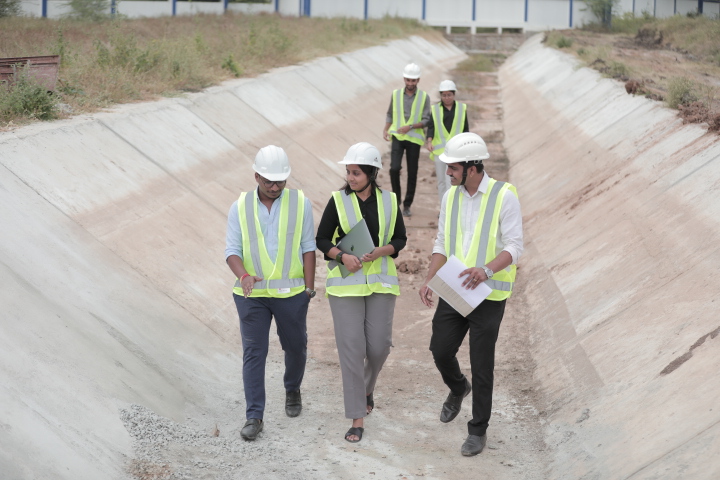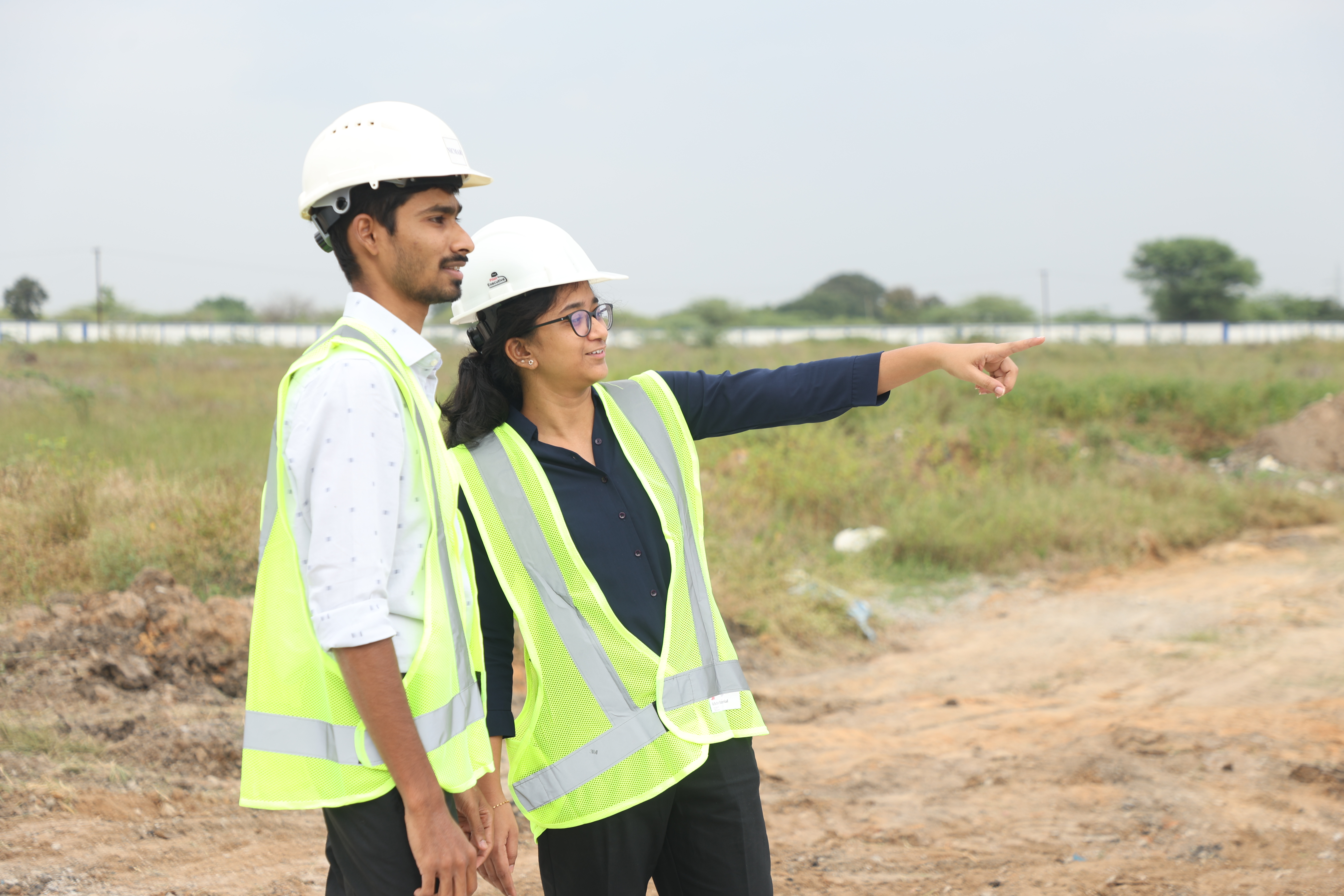
The construction industry has always been different. Unlike retail, finance, or tech, building something physical requires managing not just people and money but also materials, machinery, regulatory approvals, labour contracts, and sometimes geological surprises. A general MBA prepares graduates to run businesses. An MBA in Advanced Construction Management prepares them to run projects that literally reshape skylines.

That difference is not cosmetic. It runs deep into the curriculum, the career paths it opens, and the kind of professional it ultimately produces.

What a General MBA Actually Teaches

A standard MBA builds broad business acumen. Students study marketing, operations, HR, accounting, and strategy, usually with electives that let them lean into finance or entrepreneurship. The training is deliberately wide because the assumption is that business principles cut across industries.

That works well for sectors where the product is intangible or where standard supply chains apply. Construction is neither of those things.

Why Construction Is a Different World

Consider what sits on a construction project manager's plate in any given week. Coordinating multiple contractors and subcontractors. Tracking procurement timelines for materials stuck at a port. Managing safety compliance that shifts depending on which phase the project is in. Interpreting engineering drawings. Resolving disputes between architects and structural engineers. Keeping a client informed without alarming them every time a deadline needs adjustment.
This is the role of project manager in construction and nothing in a general MBA adequately prepares someone for it. The skills required are technical and managerial at the same time, constantly.

The Case for Specialization

Construction management courses that sit within an MBA framework exist precisely because this gap is real. NICMAR built its programmes around one core insight: construction professionals need management education, and that management education needs to be built around construction, not the other way around.

NICMAR's MBA in Advanced Construction Management programme and Project Engineering and Management programme in Pune, and the MBA in Advanced Project Management in Hyderabad, reflect this approach. The curriculum does not treat construction as a case study. It treats construction as the subject itself.

The Curriculum Difference

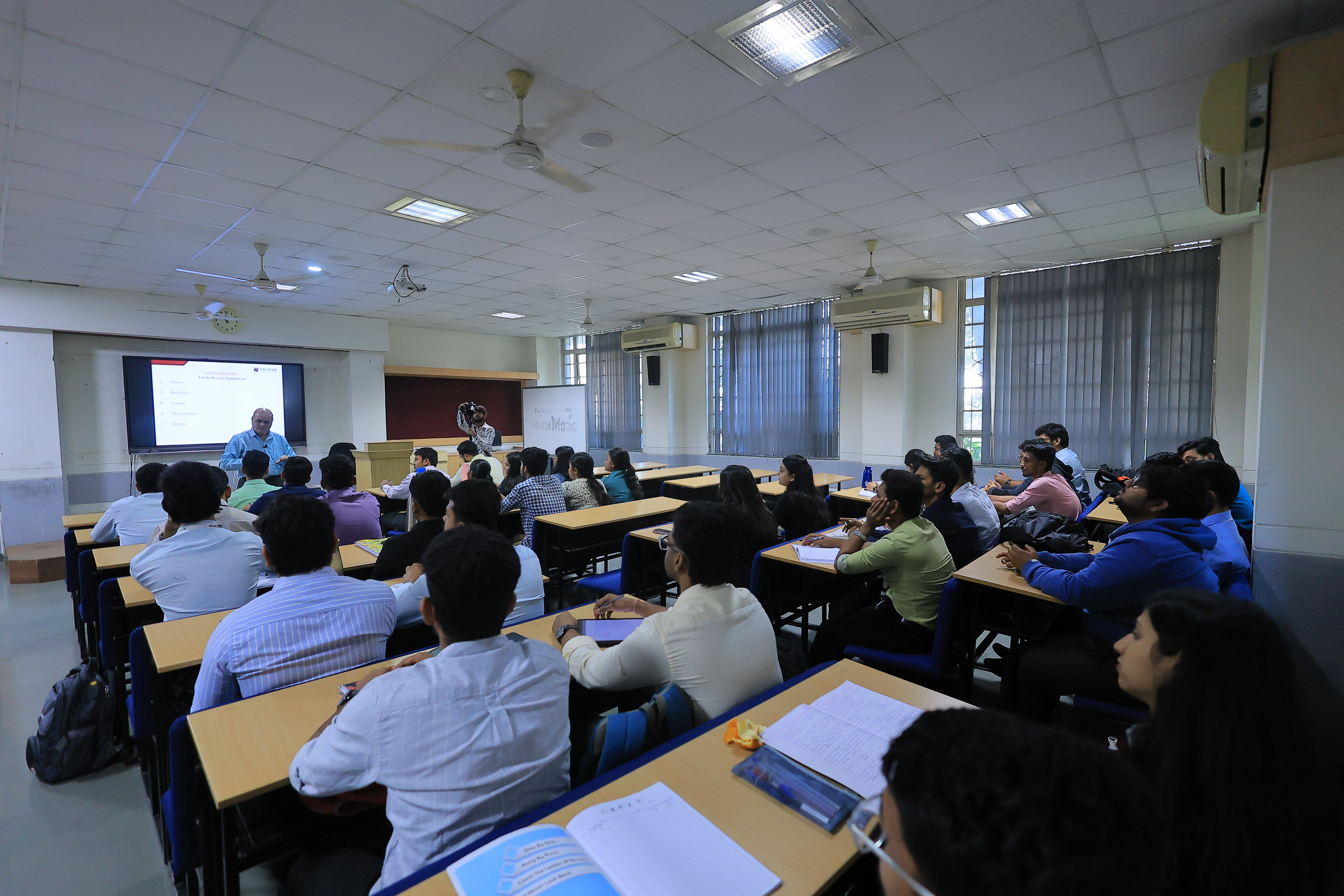
In a general MBA, a student might move through one operations module and come away knowing how to optimise a warehouse. In an MBA in Advanced Construction Management, the equivalent module might cover project scheduling using CPM and PERT, cost control systems for large infrastructure contracts, dispute resolution under FIDIC conditions, and procurement methods for public sector works.

These are not abstract frameworks borrowed from another industry. They apply directly to what construction project roles demand every day.

The construction management skills employers look for include contract administration, risk identification, quality assurance in site execution, resource planning, and financial control across project phases. Most of these demand sector-specific knowledge that a general MBA simply does not build.

Who Actually Pursues This Course

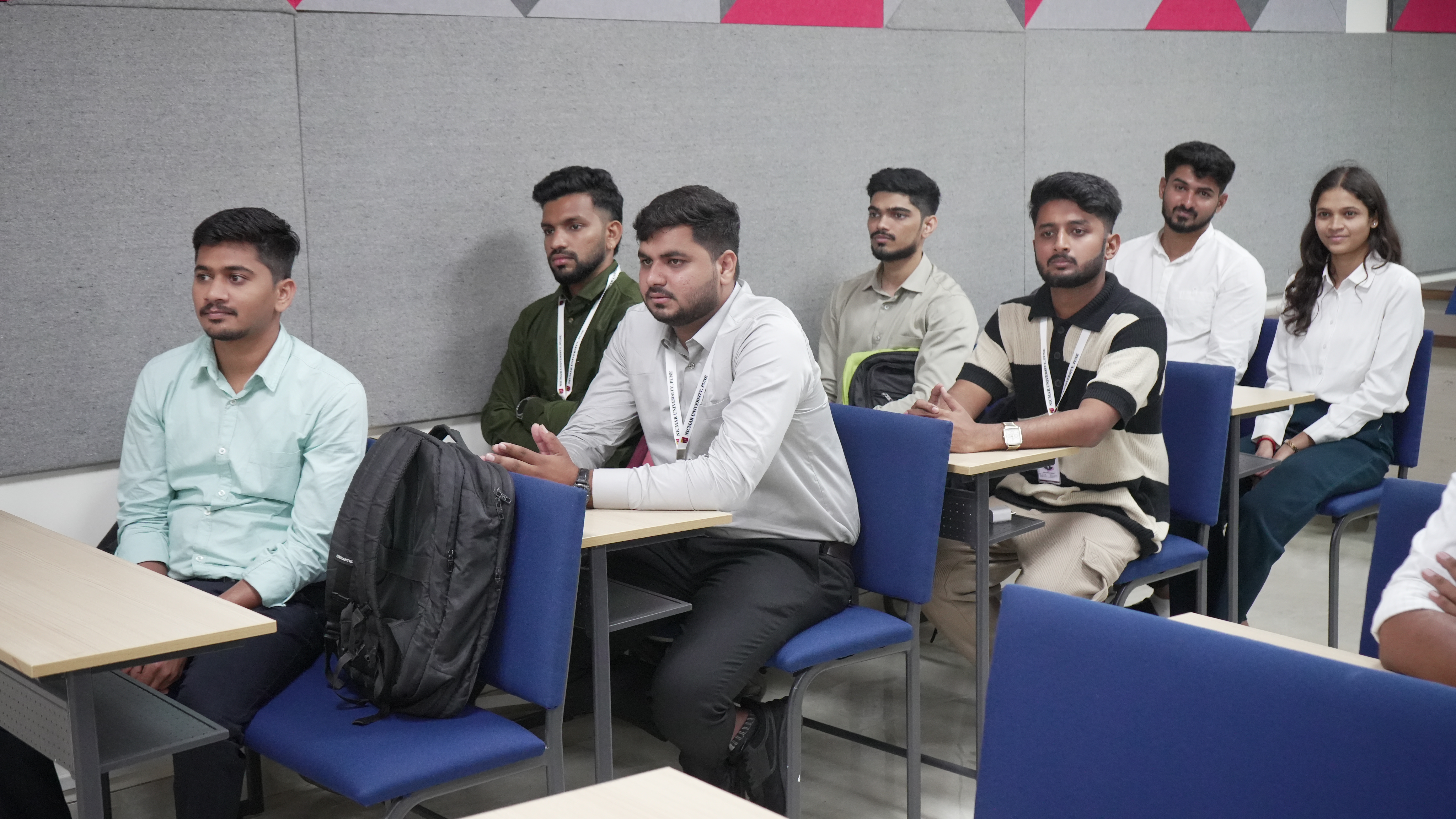
Students who enrol in an MBA in Advanced Construction Management course typically come from civil engineering, architecture, or related technical backgrounds. They already understand project execution at a technical level. The managerial layer is what they are after.

This combination is exactly what the industry is short of. Technical experts who also understand business are rare. Strong site knowledge, paired with contract management training, financial literacy, and leadership development, produces a professional who can genuinely drive projects rather than just execute tasks within them.

That said, candidates without technical backgrounds also find genuine value in these programmes, particularly in client-side project management, real estate development, and infrastructure finance roles.

Jobs After MBA in Advanced Construction Management

Construction project manager careers available to graduates of specialised programmes span a wide range. Project management with large EPC contractors. Client-side advisory roles with real estate developers. Infrastructure consulting. Government project monitoring units. International construction on civil or urban infrastructure assignments across the Gulf, Southeast Asia, and Africa.

Some graduates move into project controls  tracking progress, forecasting costs, and managing project reporting systems. Others focus on contract management, where the work centres on drafting, reviewing, and administering construction contracts.

Jobs after MBA in Advanced Construction Management are not limited to site-based work. The scope has grown considerably as projects have become more complex and as clients have raised expectations around delivery timelines and cost transparency.

What the Scope Actually Looks Like

MBA in Advanced Construction Management scope is genuinely broad in the current Indian market. Government infrastructure spending continues at pace smart cities, highways, metro rail, housing programs, ports, and renewable energy installations all require large-scale project management capability. Demand for professionals who can handle this has remained consistent.

Beyond India, markets across the Gulf and Africa have historically absorbed Indian construction professionals in significant numbers. A specialised management qualification makes that transition far more credible on paper and far more effective in practice.

Why This Beats a General MBA for This Career Path

The benefits of project management in construction training are specific and practical. A general MBA graduate applying for a project manager role at an infrastructure company will typically need two to three years of sector exposure before operating independently. A graduate of a purpose-built construction management programme hits the ground running from day one.

The specialisation also signals intent. Employers read it as a deliberate career choice rather than a fallback option. That reading matters in hiring decisions, especially in organisations where sector fluency is non-negotiable.

Why NICMAR

NICMAR has worked in construction education long enough to know what the industry actually needs, not just what looks good on a programme brochure. Faculty bring practitioner experience. The curriculum reflects real industry conditions rather than theoretical frameworks imported from other sectors.

These are not generalist courses with construction added as an elective. They are construction-first programmes with management education built into their foundation  and that distinction matters more than most prospective students initially realise.

Want to explore the right programme for your goals? Take a closer look at NICMAR's construction and project management programmes and find the one that fits where you want to go.

Related Articles