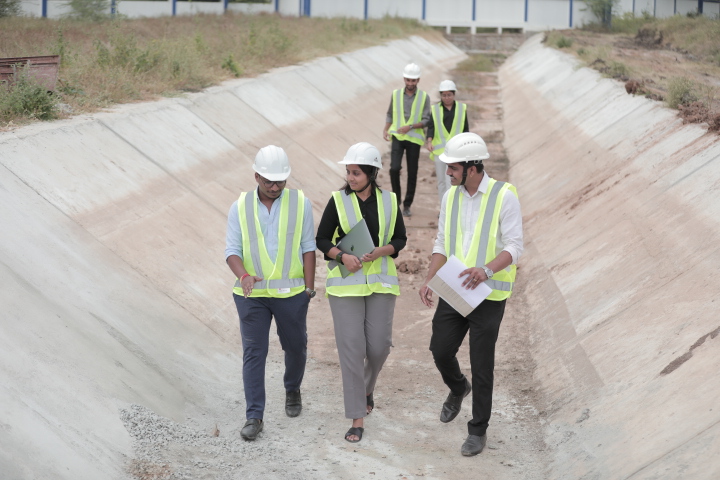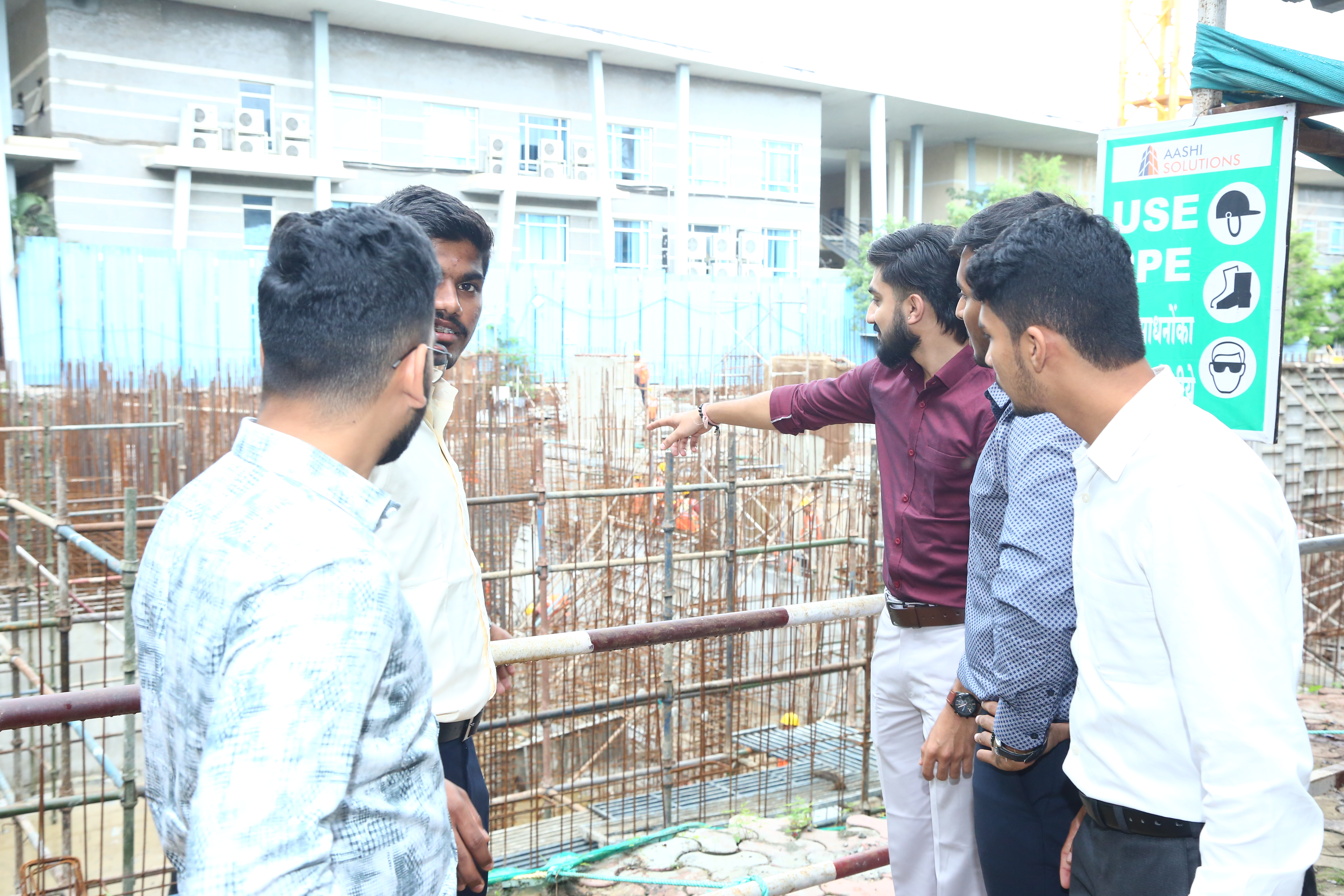
Site supervision is where most civil engineers start. And for a while, it is exactly where the real learning happens. Labour management, material scheduling, drawing interpretation, quality checks under pressure. The site is unforgiving and instructive in equal measure.

But it has a shelf life as a growth vehicle.

At some point, usually three to five years in, the trajectory flattens. The engineers moving into leadership are not necessarily better at reading drawings. They are better at reading contracts, managing clients, controlling budgets, and making decisions under financial pressure. That gap is not a technical one. It is managerial.

This is the moment most civil engineers seriously consider an MBA.

What the Site Cannot Teach

Construction projects fail for reasons that have nothing to do with engineering. Procurement delays because nobody managed the supplier relationship. Cost overruns because contract terms were misread. Scope creep because the client relationship had no formal structure around change management.

An experienced site engineer watches all of this happen and understands the problem technically. But fixing it requires authority, and that authority comes with a different kind of credential.

MBA courses for civil engineers are designed around this exact problem. The curriculum does not treat construction as a backdrop to general business education. It addresses the specific managerial gaps that show up when technically strong engineers step into leadership without formal management training behind them.

The Career Ceiling Is Not a Myth

Nobody in the industry talks about it directly, but it exists. A civil engineering degree, even with solid site experience, tends to top out at a certain level. Senior site engineer. Project engineer. Site manager with enough years behind the work.

Beyond that, the roles that carry real organisational authority require financial accountability, contract ownership, and stakeholder management skills. These things separate a project manager from a site supervisor. And they are what a well-designed MBA actually builds.

Career growth after MBA tends to be faster and more varied for civil engineers specifically because they enter these programmes with something most MBA students do not have: genuine hands-on understanding of what project execution looks like. The management training hits differently when someone has already lived the problems it teaches them to solve.

Where Civil Engineers Actually End Up

Project management is the most immediate landing point. Taking on formal PM roles with contract authority, client-facing responsibility, and budget ownership. The transition is smoother with an MBA because the credential signals readiness for that accountability in a way that experience alone often cannot.

Consulting is a serious option too. Infrastructure consultancies and PMC firms need people who understand construction technically and can also advise clients, manage deliverables, and run engagements professionally. Civil engineers who have added management credentials occupy a category that is harder to fill than most firms would like.

Real estate development draws a different profile. Engineers interested in the front end of projects rather than execution. Developers need professionals who can assess feasibility, manage contractor relationships, monitor construction quality, and still have a coherent conversation with financial partners about project economics.

Government and public sector roles round out the picture. Infrastructure planning bodies, smart city missions, state-level project monitoring units. All of these increasingly require candidates who combine technical understanding with managerial credibility.

Career options after MBA are genuinely wide. The common thread is that a civil engineering background becomes an asset rather than a box that needs to be overcome.

What the Scope Actually Looks Like

India's infrastructure investment pipeline is not going anywhere. National highway expansion, metro rail rollouts, affordable housing programs, port development, renewable energy installations. Each sector has project management requirements that consistently outpace the supply of qualified professionals.

The scope MBA after civil engineering represents is structural, built into government spending priorities across central and state budgets. It is not a trend. It is a gap that has existed for years and is widening as project complexity increases.

International scope adds another layer. Gulf countries, parts of Southeast Asia, and several East African markets have absorbed Indian construction professionals in significant numbers over decades. An MBA from a credible institution with sector focus strengthens that profile considerably, both on paper and in terms of actual readiness for those roles.

Picking the Right Institution

When thinking about best MBA colleges for civil engineers, brand recognition and sector relevance are two different things. A general MBA from a well-regarded institution builds business literacy. A specialised programme built around construction and infrastructure builds the capability to lead in that specific sector.

NICMAR operates in the second category. The programmes are not construction modules bolted onto a generic MBA framework. The entire educational design is oriented around the built environment, the contract structures, the stakeholder dynamics, the project delivery models, and the financial frameworks that civil engineers already work within.

The MBA in Advanced Construction Management and Project Engineering and Management programmes in Pune, and the MBA in Advanced Project Management in Hyderabad, are built to take technically strong professionals and develop the managerial depth their careers need next.

The Typical Path and Why the Sequencing Works

For most engineers who eventually pursue an MBA, the civil engineering course after 12th was the natural starting point, strong aptitude for mathematics and physics, often some connection to construction through family or geography. The undergraduate degree led to site roles. Site roles built real experience. The MBA came later, once the ceiling became visible.

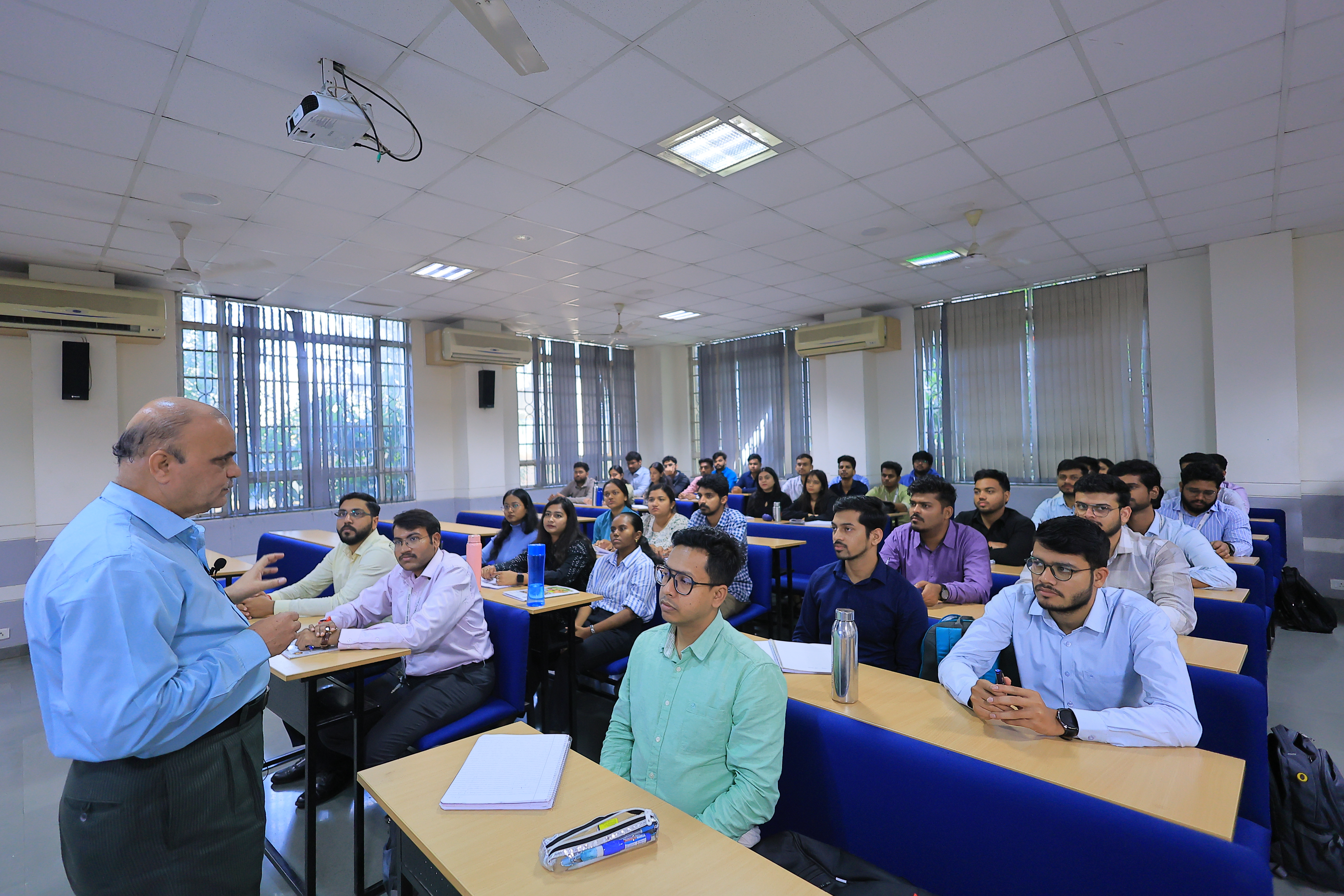
That sequencing works well in practice. Students in construction management programmes who have already managed labour, navigated contractor disputes, or tracked material procurement on a live project get significantly more out of the curriculum than those encountering these situations through case studies for the first time.

The journey is longer than a direct management track. But what comes out the other end is a different category of professional. Someone who can design a project structure and also understand exactly where and why it tends to break down.

What the MBA Is Actually For

An MBA for civil engineers is not a career exit. The industry is large enough, complex enough, and important enough that the professionals leading it need to understand it from the inside. What the MBA adds is the capability to lead it rather than just work within it.

The engineers shaping India's infrastructure right now did not abandon their technical foundations. They built on top of them.

Find out which NICMAR programme fits where your career needs to go next. Explore the Advanced Construction Management and Project Engineering and Management programmes in Pune, and the MBA programme in Hyderabad.

Related Articles