First, Get Clear on What You Want From Courses After Engineering
Before comparing programmes, sort out your own head.
Some engineers love the technical craft and want to burrow deeper into it. Others realise on the job that they'd rather lead people and projects than solve equations all day. Neither instinct is wrong. But they point toward completely different postgraduate paths. Skip this step and jump straight to brochures, and you'll end up dazzled by rankings instead of asking whether the programme fits your goals. Higher studies after engineering only pay off when the course suits the person. So start with an honest look at what fires you up and what wears you down.
Master’s After Engineering or MBA After Engineering?
This is the fork most people agonise over.
A masters after engineering, usually an M.Tech. or MS, digs deeper into technical expertise. You specialise. You research. You become the person others call when a hard technical problem lands on the table. An MBA points the other way, toward finance, strategy, and leading teams. It trades some technical depth for the skills that actually run a business. The honest answer to a master’s or MBA after engineering is that it depends entirely on which kind of work makes you want to get out of bed. Money won't settle it either, since both paths pay well once you're good at them.
Match the Specialisation to Your Career Goal
Once the broad direction is clear, get specific about the field.
Engineering opens doors into wildly different sectors, and the smartest PG courses after engineering are the ones tied to a concrete career outcome. A generalist degree can leave you competing with everybody. A specialised one signals exactly what you bring to a firm. NICMAR University in Pune builds its postgraduate programmes around specific built-environment careers, so they make a useful set to examine. Here are four worth knowing.
MBA in Advanced Construction Management
If running large construction sites appeals to you, this is the direct route. NICMAR's MBA in Advanced Construction Management is an interdisciplinary, GAC-PMI accredited programme that trains engineers to manage people and big projects across the construction industry.
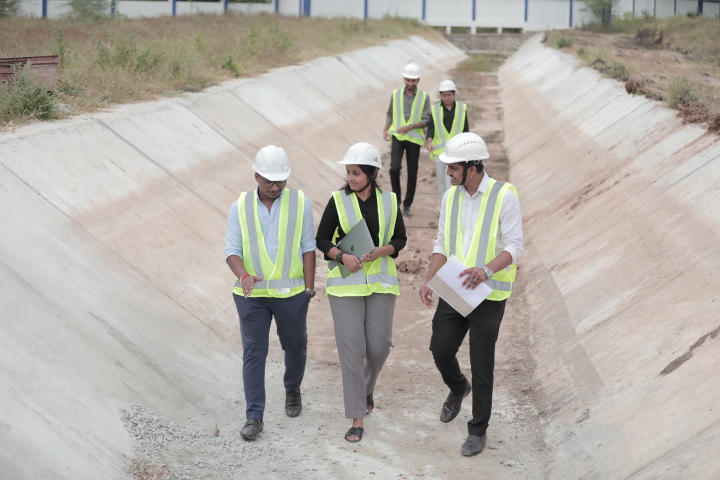
Over two years, you cover construction planning and control. Procurement and contract management. Digital tools like BIM and remote sensing. Around ninety percent of each batch walks in with a B.E. or B.Tech., so the teaching pitches straight at engineers. Recruiters include names like L&T, Afcons, and Godrej Properties. It makes a strong master’s degree after engineering for anyone who wants the construction site, not the lab bench.
MBA in Project Engineering and Management
Prefer leading projects across industries rather than construction alone? NICMAR's take on an MBA in project management is its MBA in Project Engineering and Management, formerly the APM programme.
It's built for engineers who want to run complex projects in almost any sector, whether infrastructure, oil and gas, software, or MEP. You cover project planning, scheduling, risk, and contract management, with hands-on labs in MSP and Primavera. Because the skillset travels, graduates land roles across manufacturing, consulting, and energy, not only construction. Recruiters include Deliotte, Tata Projects, and Thermax. For an engineer who likes variety, an MBA in Project Engineering and Management keeps the most doors open.
MBA in Environmental Sustainability
Sustainability has moved from buzzword to boardroom, and engineers who understand it are getting scarce and valuable. NICMAR's route into an MBA in sustainability management is its MBA in Environmental Sustainability, run through the School of Energy and Environment.
The programme builds on three pillars: economic viability, environmental protection, and social equity. You study ESG practices, life cycle assessment, climate policy, and tools like GIS and remote sensing. Graduates move into roles like sustainability manager, ESG reporting specialist, and green financing professional. As regulations tighten and companies chase net-zero targets, an MBA in sustainability management is quietly becoming one of the safer long-term bets for an engineer.
M.Tech. in Construction Technology and Management
Not everyone wants to leave the technical world behind. If you'd sooner deepen your engineering while adding management skills, NICMAR's M.Tech. in Construction Technology and Management sits in exactly that middle ground.
This two-year programme blends advanced construction techniques with management courses, then layers on geospatial tools, BIM, and infrastructure design. You pick a specialisation in either transportation infrastructure or building design, and you finish with a six-month research project on a live construction site. Eligibility runs through a civil engineering background. It's the pick for engineers who want depth and leadership together, rather than trading one for the other. Among master’s degree courses after engineering, it keeps you closest to the technical core.
Other Factors Worth Weighing Before You Commit
Beyond the subject itself, a few practical things decide whether a programme actually delivers.
Accreditation comes first. A GAC-PMI or comparable stamp signals the curriculum meets a recognised standard, which matters to employers reading your CV. Placement records come next, so look at which firms genuinely recruit and for which roles, not only the headline percentage. Faculty counts for more than people expect, since case studies land only when the person teaching has lived in the industry. And check the practical component, because higher education after engineering sticks far better when you've done real work through internships or live projects. The best courses for engineers after their degree treat all of this as core, never decoration.
Why NICMAR University, Pune Is Worth Considering
If any of these directions pull at you, NICMAR University in Pune deserves a close look. It has focused on construction, project, and infrastructure education since 1983, and its programmes are shaped around specific engineering careers rather than generic management theory.
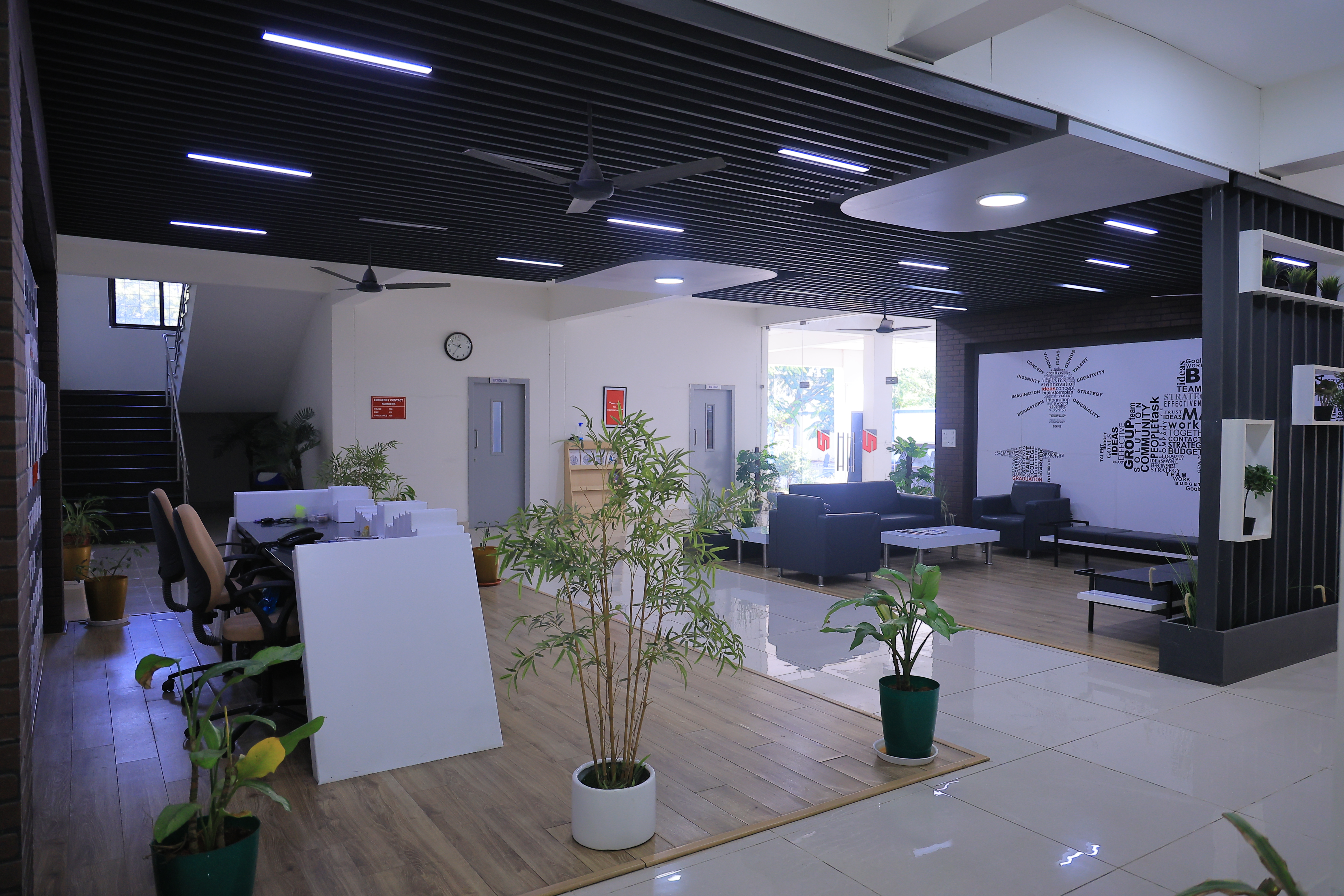
The Baner campus brings modern labs, a dense industry network, and placement support that connects graduates to major firms across the sector. Whether you lean technical or managerial, there's a postgraduate route here designed for engineers. That focus is exactly what makes the decision a little easier to make.