What This Degree Actually Covers
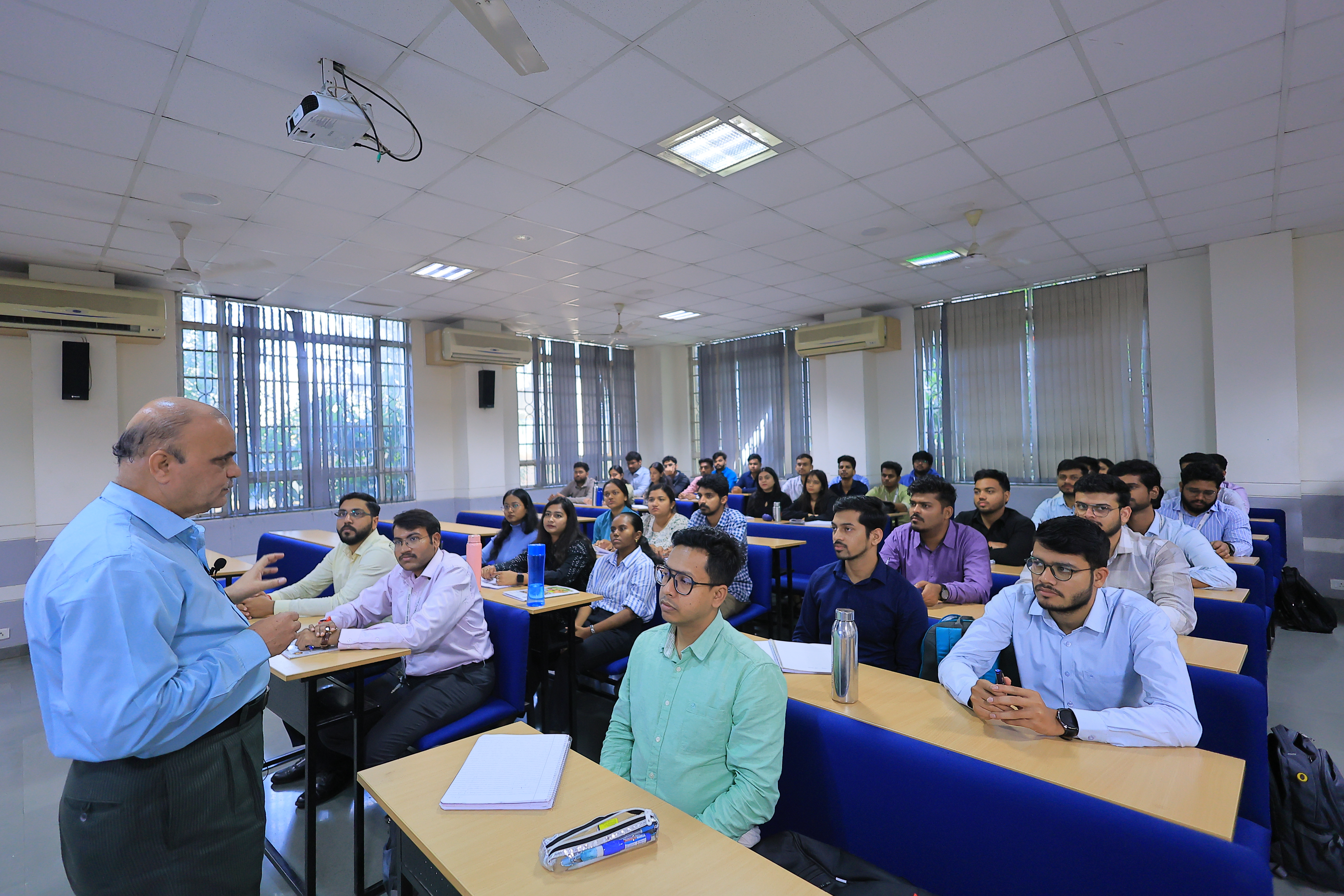
Two years. Four semesters. It suits people who already hold a civil engineering degree and want out of a purely technical role.
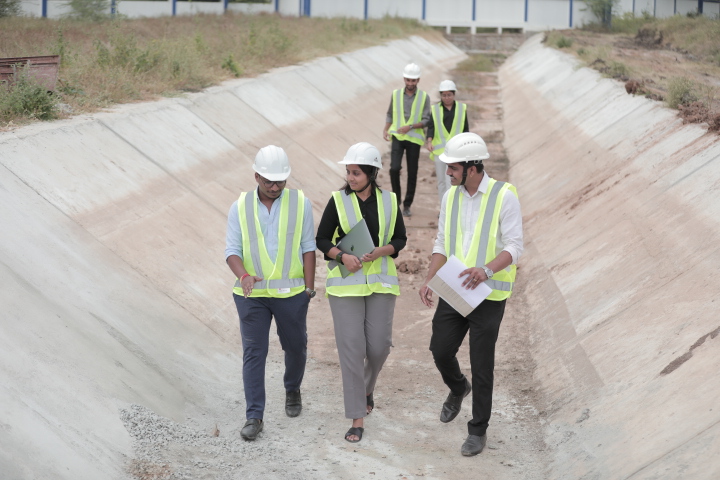
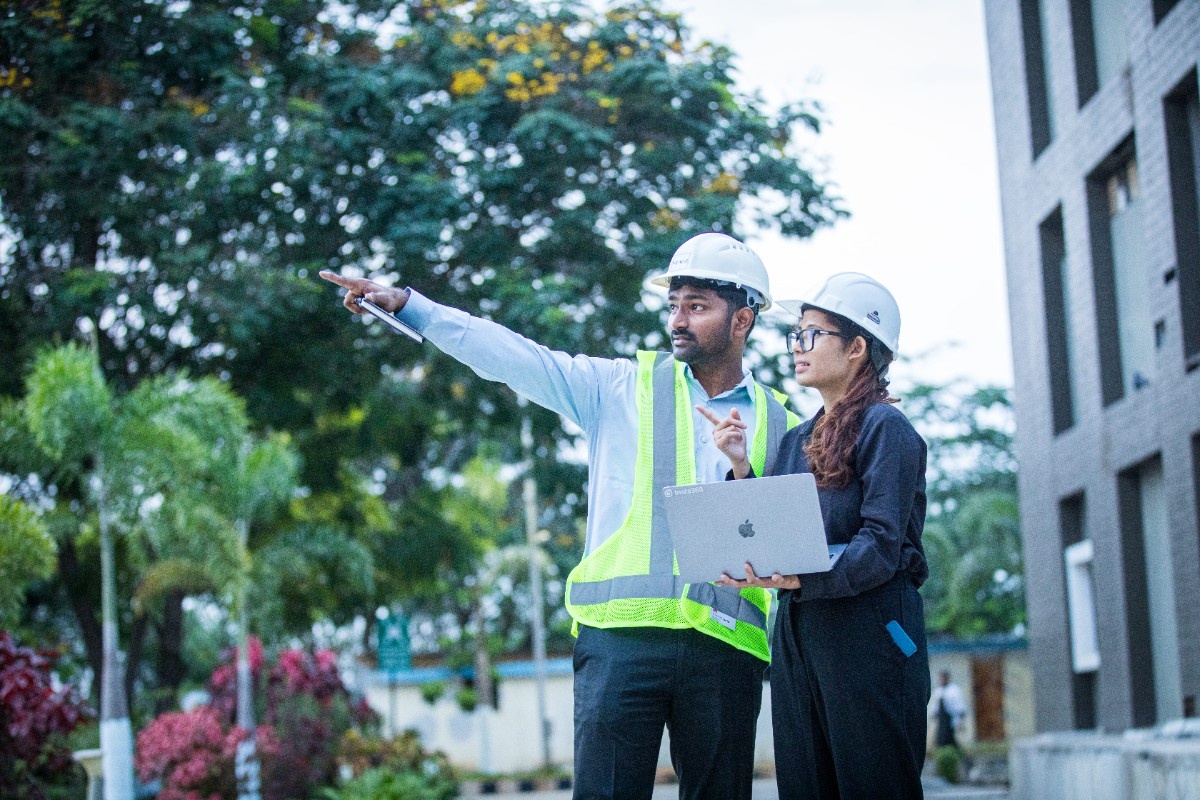
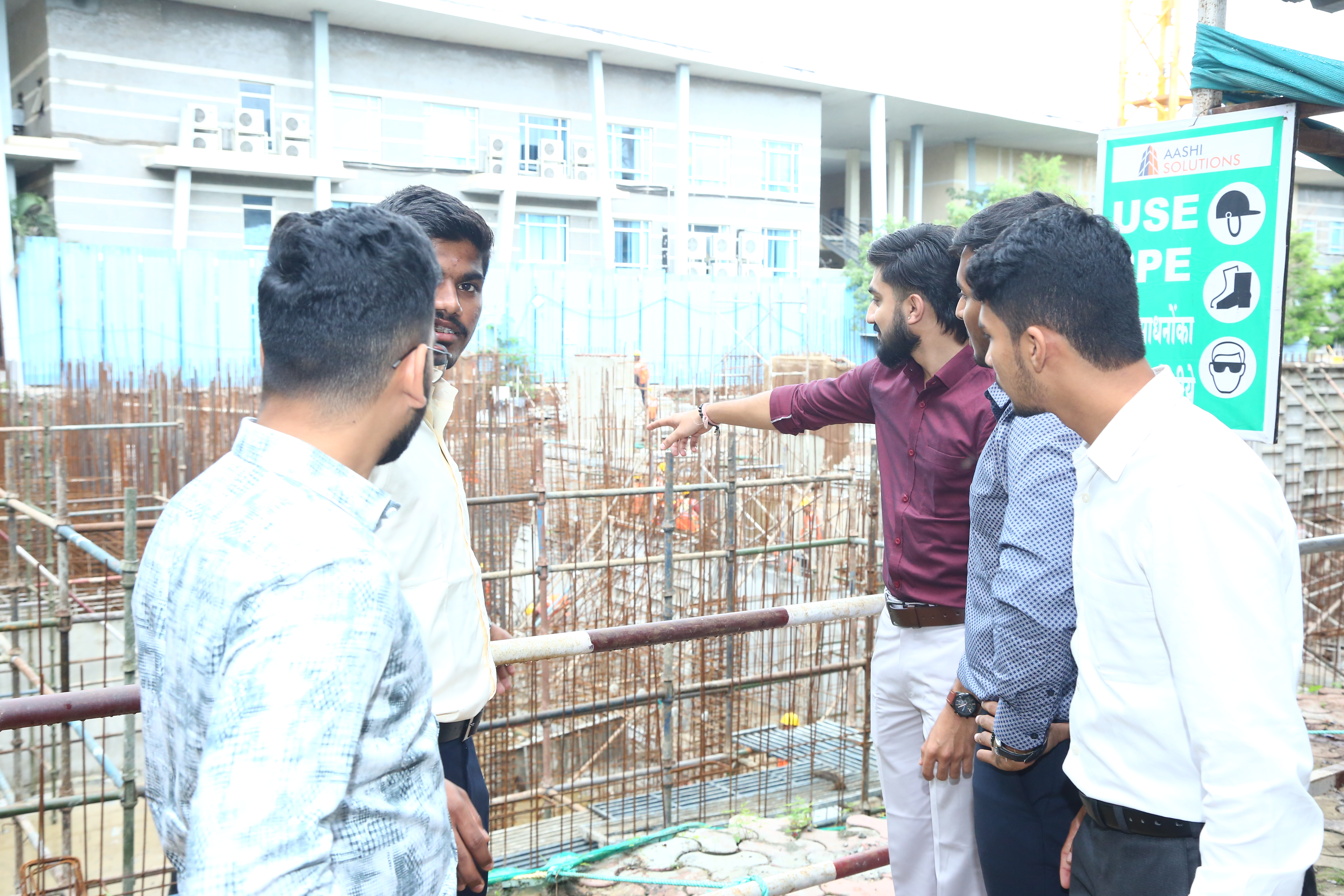
The technical half is what you'd expect. Advanced construction methods, some concrete technology, a bit of structural analysis. The other half catches people off guard. You sit through finance and contracts management, because a project dies over a missed payment or an unread clause just as often as it dies over anything you'd call engineering. Building Information Modelling is in there too, alongside geospatial work. Then the final semester drops you onto a live construction site for a six-month research project. Nothing stays theoretical for long.
Why Construction Management Courses Matter for Civil Engineers
A civil engineering degree teaches you how a beam behaves under load. It says nothing about arguing a variation claim with a contractor who's forty days behind. Or reading a cash-flow statement. Or holding a site together when the drawings change on a Tuesday and thirty tradesmen are standing around waiting for an answer. That's the gap this kind of coursework fills.
Think about what actually blows up a timeline. It's almost never a calculation. It's a procurement date nobody tracked, or a safety stoppage a better plan would have dodged. Good construction management courses drill the boring, decisive stuff. Cost control. Scheduling. Contract law. Firms can tell the difference inside ten minutes of an interview. Someone who understands both the drawing and what gets built from it earns more than someone who only runs the numbers.
Where You Can Actually Work
The range is wide, which is sort of the point.
Infrastructure takes the most people. Metro lines, airport terminals, the long highway packages. These jobs run for years and need people fluent in the design and the delivery date at the same time. Real estate is the next big employer, all those residential towers and commercial builds where execution and quality control decide whether anyone makes money. Consulting pulls a good chunk too, advising clients on cost and schedule without ever picking up a tool. And green buildings keep expanding. Solar parks and IGBC-rated projects now want construction people who actually understand sustainability, beyond the buzzword.
Because you specialize in either transportation infrastructure or building design, you can drift toward whichever sector is hiring hardest that year. That flexibility matters more than the brochure lets on.
The Job Roles That Open Up
Titles shift from firm to firm. These are the ones you'll see most on an offer letter.
-
Planning Engineer: Builds the schedule, then spends the whole project chasing it.
-
Quantity Surveyor: Owns the estimation, billing, and procurement math.
-
Site Execution Engineer: Runs the daily mess on the ground.
-
Contract Manager: Sits between client, contractor, and vendor and referees the paperwork.
-
Safety and Quality Control Manager: Keeps the job legal and up to spec.
-
Business Development Manager: Chases the next project and the people who fund it.
A smaller group skips the site and teaches instead, or starts a PhD. If research suits you better than heat and dust, that door stays open.
Skills You Walk Away With
The degree stacks technical skill on top of judgment. You get the planning and estimation and risk work, obviously. You also learn to negotiate, to run a team, and to make the awkward call when the cheap option and the right option point different ways. Internships and that six-month live project mean you've done real work before anyone hands you a proper title.
That mix is the actual value. Projects rarely die from one bad number. They come apart slowly, from overruns and slipped schedules and a conversation that went sideways three weeks earlier. A decent programme trains you to hold all of it at once. Which is, more or less, what the job feels like.
How to Pick the Right Programme
A brochure only tells you so much. Dig into the curriculum, the real industry links, and whether the placement numbers are honest or rounded up.
A good programme keeps the old-school subjects like quantity surveying but adds the newer weight, digital construction and sustainability. Specialization matters as well, so check you can lean into transportation infrastructure or building design depending on where you want to end up. Already working? A short-term certification might hand you one specific skill faster than a two-year commitment ever could. If you're early in your career, though, the full master's carries more weight with employers and opens more doors later on.
Why NICMAR University, Pune Fits the Bill
Weighing construction management courses in Pune? NICMAR University runs an M.Tech. shaped around what firms actually ask for. Both specialization tracks sit on the menu, transportation infrastructure and building design, plus that six-month research stint on a live site. Add the mandatory internships, the placement support, and the overseas university tie-ups, and the practical case builds fast.
The Baner campus helps as well. Good labs, a thick industry network across Pune, and graduates who slot into planning and execution roles, sometimes contracts, without much fuss. Solid place to start from.