Civil engineering and construction management are not two competing careers you choose between at 18. They are two stages of the same journey: civil engineering is the foundation you build after 12th, and construction management is a specialisation many engineers move into later, either through an elective, work experience or a postgraduate degree.

Confusing the two leads to a common mistake. Students search for a standalone construction management course straight after school, when the more direct and widely available route is a civil engineering degree with construction management built in as a specialisation, or added afterward through a postgraduate programme.

Key Takeaways

  • Civil engineering is the entry discipline, and construction management is usually a specialisation that comes after it, not a separate path from 12th.

  • Civil engineering concentrates on design, analysis and technical problem-solving, while construction management concentrates on running the project: budgets, schedules, contracts and teams.

  • NICMAR admits undergraduates after 12th exclusively into B.Tech Civil Engineering, with construction management available as an elective specialisation inside that degree.

  • Career paths diverge later: civil engineers move toward structural design, site engineering or planning roles, while construction management specialists move toward project leadership and delivery roles.

  • Students who want construction management specifically should plan for it as a postgraduate step, an M.Tech or MBA, rather than a first-year choice.


Is Civil Engineering the Same as Construction Management?

No. Civil engineering and construction management sit next to each other in the same industry, but they solve different problems. Civil engineering is design-centric: it trains you to calculate loads, size structural members, design drainage systems and analyse soil behaviour before anything gets built. Construction management is delivery-centric: it trains you to turn an approved design into a finished building or road, on budget and on schedule, by managing people, contracts, materials and site logistics.

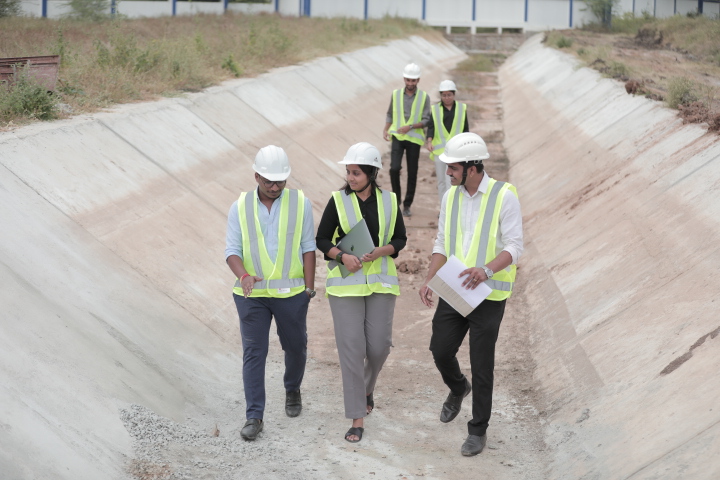
The construction management vs civil engineering question comes up so often because the two roles work side by side on the same project. A structural engineer designs the column layout. A construction manager decides how to sequence the pours, which subcontractor handles the formwork, and what happens when the concrete supplier runs three days late. Both need to understand construction, but they carry different responsibilities and, usually, different training.

What Civil Engineering Course Should You Choose After 12th?

There is no separate construction management degree you can join straight out of Class 12. The standard route is a civil engineering course after 12th: a four-year B.Tech in Civil Engineering that students enter through JEE Main, state CETs, CUET or an institute's own entrance test, followed by a personal interview at most private universities.

At NICMAR, admission works this way too. The undergraduate programme runs for eight semesters and admits students through JEE Main, MHT CET, CUET, other state CETs or its own UG-NCAT test. Within that single B.Tech in Civil Engineering, students can pick construction management as an elective specialisation alongside options like environmental engineering, rather than enrolling in a separate construction management degree. That structure, one entry point at 18 with a choice of direction later, is fairly standard across Indian engineering education, not something unique to any one institute.

What Does a Career After Civil Engineering Actually Look Like?

A career after civil engineering rarely stays confined to one type of work. Fresh graduates typically start as site engineers, design engineers or graduate trainees with contractors, consulting firms or government bodies like PWD, CPWD or municipal corporations. From there, career options after civil engineering branch out: structural design, geotechnical work, transportation planning, water resources, or a move toward site execution and project coordination.

The career opportunities after civil engineering that get the least attention are often the most stable ones: government engineering services, public sector infrastructure bodies, and roles in urban planning departments. These do not carry the visibility of a private-sector project manager role, but they offer a technical career path that does not require an additional management degree to progress.

What Is the Construction Management Career Path?

The construction management career path usually starts with the same civil engineering degree, then adds a postgraduate specialisation once the graduate knows they want to lead projects rather than design them.

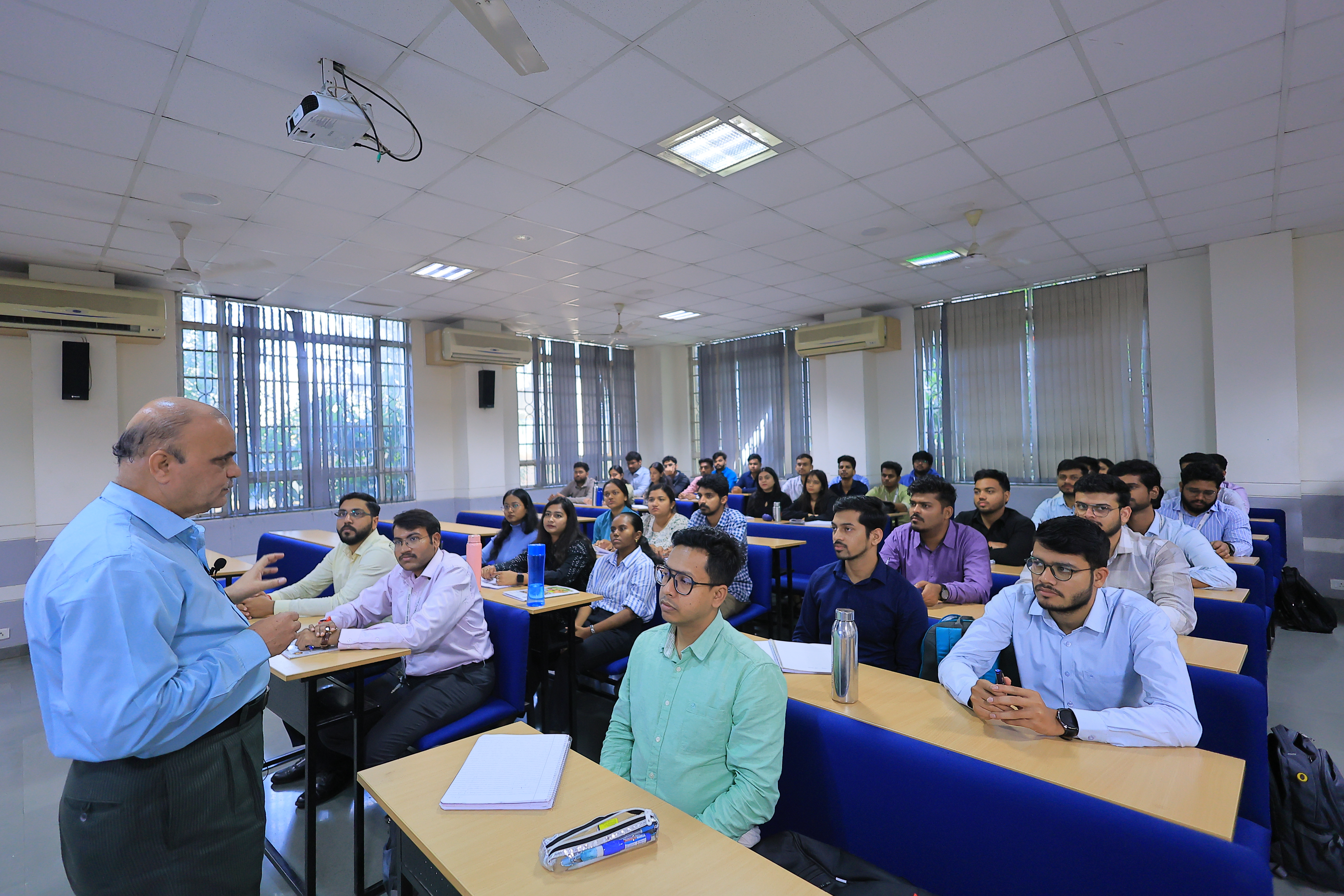
NICMAR offers two distinct routes into this specialisation. The M.Tech in Construction Technology and Management stays closer to the technical side: advanced construction methods, equipment, digital tools and sustainable building practices, for graduates who want deeper technical credibility. The MBA in Construction Management, NICMAR's flagship MBA in Advanced Construction Management, moves further into the business side: estimation, tendering, procurement, contract law and site leadership. It teaches these through labs and live site visits rather than lectures alone.

For engineers who want a career path broader than a single site, NICMAR also runs an MBA in Advanced Project Management, close to what many searches call an MBA in construction project management, covering project controls, risk management and performance analytics across sectors rather than construction specifically.

Which Is the Best Career Path for a Civil Engineer?

There is no single best career path for a civil engineer. It depends on what kind of work keeps you engaged day to day.

Engineers who enjoy calculations, design software and solving technical problems usually stay more satisfied on the civil engineering side: structural design, geotechnical consulting, or technical roles in infrastructure firms. Engineers who enjoy coordinating people, negotiating with contractors and being accountable for whether a project finishes on time tend to move toward construction management, project management or infrastructure finance roles instead.

Neither path is a downgrade or an upgrade from the other. They reward different strengths, and the civil engineering degree remains the common starting point for both.

Choosing Between the Two

For a student weighing civil engineering and construction management right after 12th, the honest answer is that the choice does not happen yet. The civil engineering degree comes first. What happens after it, staying technical or moving into construction management, project management or infrastructure finance, is a decision worth making with a few years of clarity about what kind of work actually holds your interest, not one to force at 18. Course structures, elective options and postgraduate eligibility can vary by year, so confirm current details with NICMAR's admissions office before finalising any plan.

Find Answers to Common Queries

Not usually, at least not at the undergraduate level. Most construction management specialists start with a civil engineering degree, then add construction management through an elective, an M.Tech or an MBA. A handful of institutes offer standalone construction management programmes, but a civil engineering base remains the more common and more flexible route.

An MBA in Advanced Construction Management focuses specifically on construction: estimation, procurement and site leadership. An MBA in Advanced Project Management, or MBA in construction project management as it's often searched, applies project delivery skills across sectors, not just construction, giving graduates a wider range of industries to work in.

Site engineer, design engineer, graduate trainee roles with contractors or consultants, and government engineering positions through PWD, CPWD or state infrastructure bodies are all open directly after a B.Tech in Civil Engineering, without a postgraduate degree.

Yes, and it's a common move. Engineers with a few years of site experience often go back for an M.Tech in Construction Technology and Management or an MBA in construction management to formalise the switch and access project leadership roles.

Compensation depends more on project scale, sector and experience than on the label of the degree. Construction management and project leadership roles tend to command higher pay as project responsibility grows, but a technically specialised civil engineer, particularly in structural or geotechnical design, can match or exceed that with enough experience.

Related Articles