Why an MBA After Engineering Is Worth Considering
Let's start with the why.
An MBA after engineering bridges a real gap. Your degree taught you how things work. It didn't teach you how to lead teams, manage budgets, or steer a business decision. That's the space an MBA fills. For engineers who've realised they want to run projects rather than just execute them, it's often the fastest route up. The old debate of Master’s or MBA after engineering usually lands here: a Master’s deepens your technical expertise, while an MBA broadens you into leadership. Neither is wrong. But if management is the goal, the MBA wins clearly. It's also worth knowing the MBA scope after engineering runs wide, spanning construction, consulting, finance, and operations.
Should You Do an MBA After BTech Right Away?
Timing trips up a lot of people.
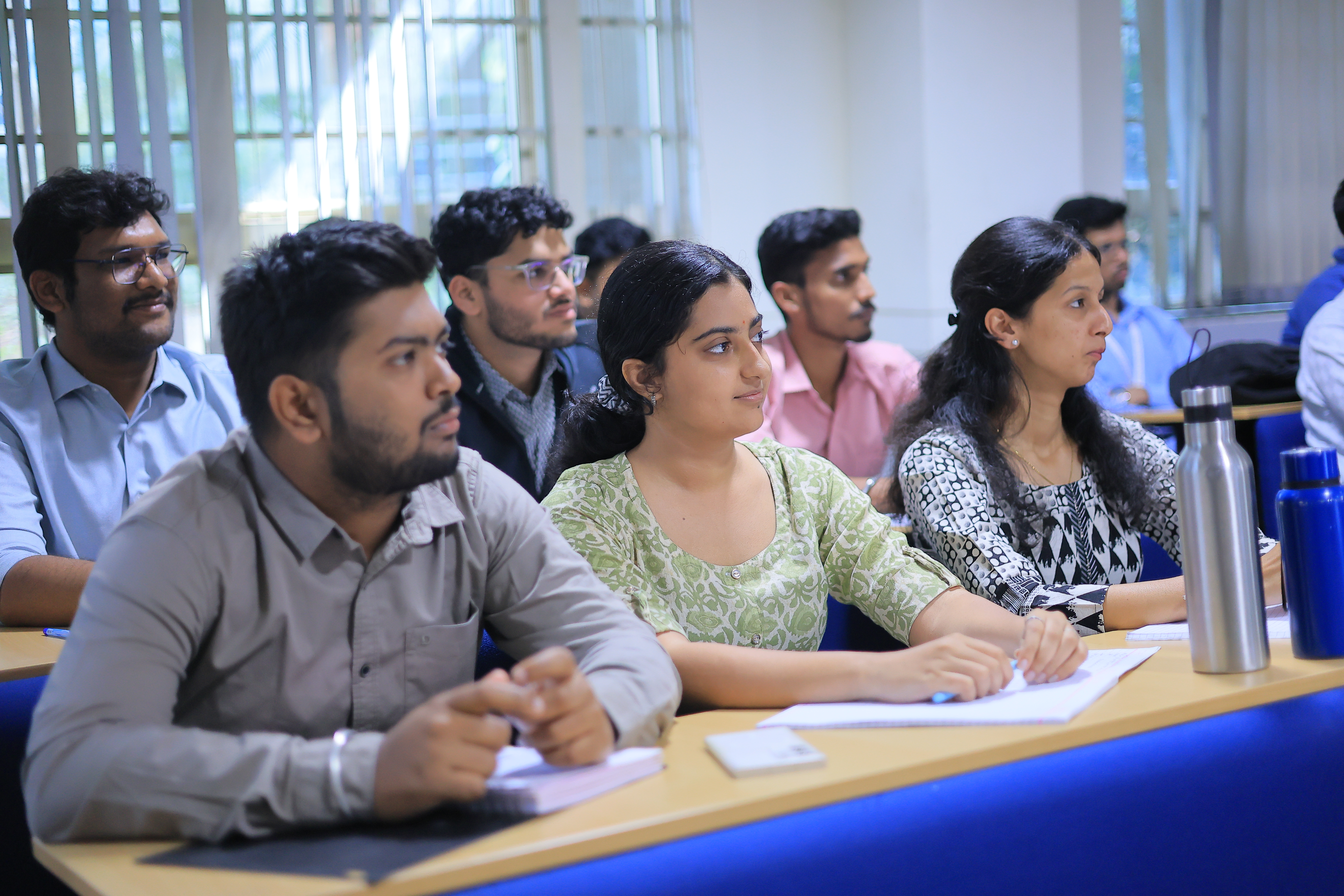
An MBA after BTech straight out of college is entirely possible, and many top programmes accept fresh graduates. The upside is momentum, since you stay in study mode and don't lose the habit. The downside is context. Without work experience, some management concepts feel abstract. A couple of years on the job first can make the classroom richer and sharpen your sense of which field you actually want. That said, plenty of strong candidates take MBA courses after BTech directly and do brilliantly. The right timing depends on your clarity and your finances, not a fixed rule.
Understanding the Main MBA Specializations
Before choosing, get the lay of the land.
MBA specializations come in many flavours, and engineers gravitate toward the ones that reward technical thinking. Construction, project management, sustainability, and infrastructure all sit comfortably within reach of an engineering background. Each opens a different career door. The trick is understanding what each specialisation actually leads to, rather than picking by name alone. Strong MBA options after engineering tie directly to a growing industry, so you graduate into demand rather than competition. Spend real time on this. It's the decision that shapes your next decade.
How to Pick the Best MBA Specialization
Now the practical filter.
Finding the best MBA specialization isn't about rankings. It's about fit. Ask yourself three honest questions. Which industry genuinely interests you? Where is hiring actually growing? And which field lets your engineering background count as an asset rather than a footnote? The right choice sits where those three overlap. A civil engineer drawn to construction shouldn't force themselves into marketing just because it sounds broad. Play to your strengths. The best MBA specialization is the one that turns your existing skills into a career advantage, not the one with the flashiest brochure.
MBA in Advanced Construction Management
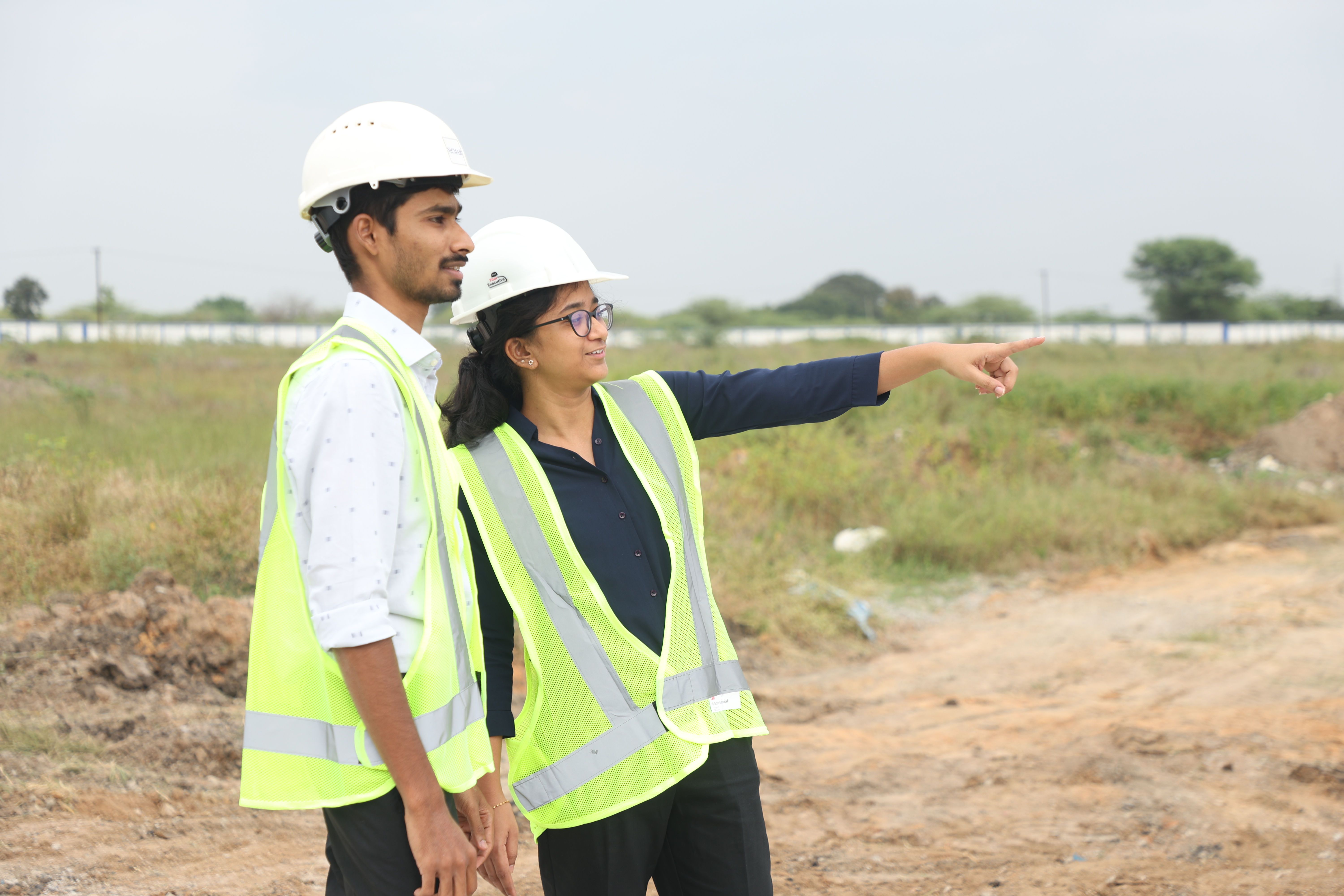
For engineers who want to run builds, this specialisation is a natural target. An MBA in Advanced Construction Management centres on planning, scheduling, and delivering construction projects on time and budget. At NICMAR, this maps closely to the MBA in Advanced Construction Management, which trains engineers to lead construction delivery across the full build cycle.
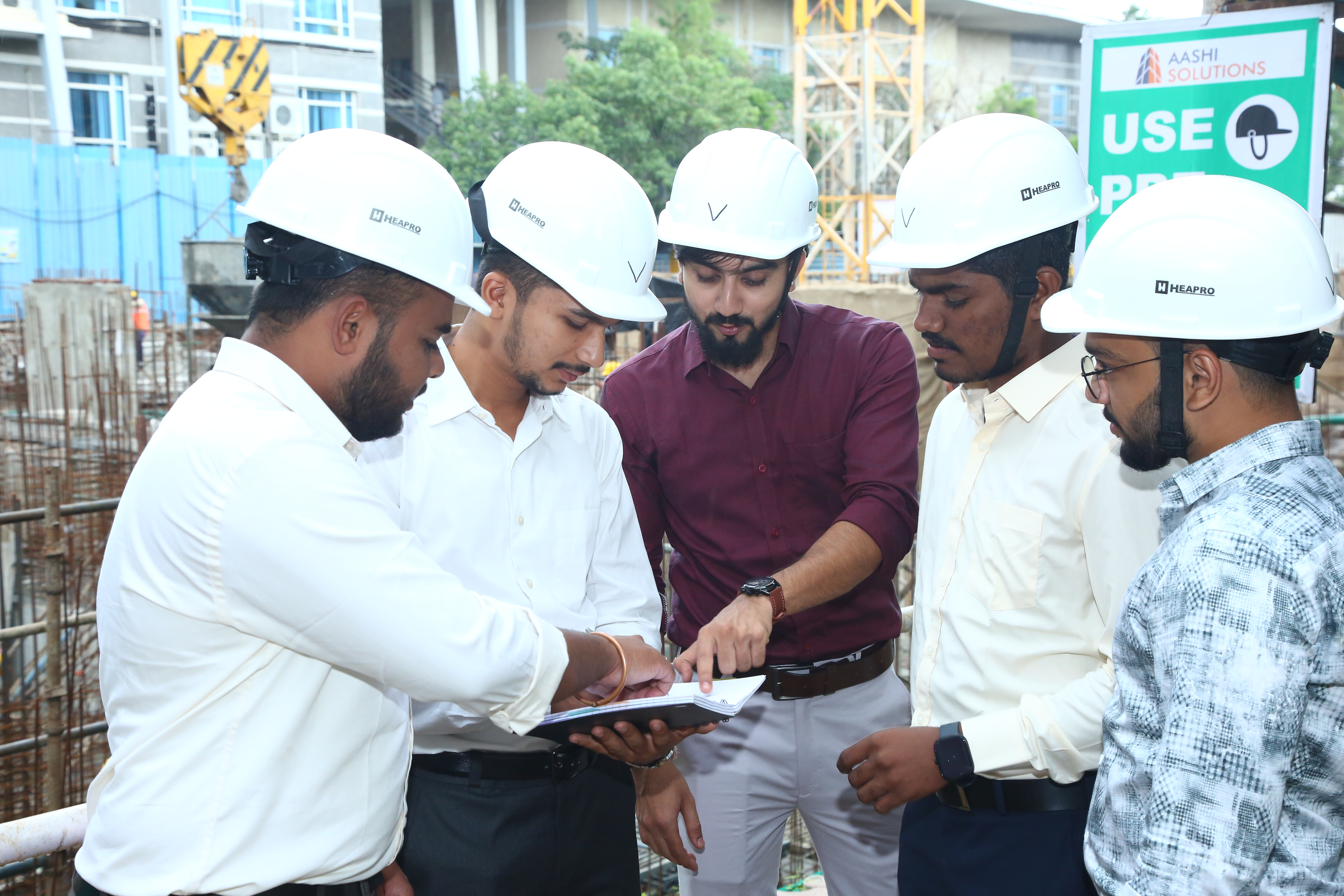
You cover project planning, procurement, risk, and contract management, backed by practical labs in Primavera and MSP. Because engineering already trains you to manage constraints, the leap into an MBA in construction project management feels intuitive. Graduates land delivery and planning roles across construction and infrastructure firms.
MBA in Project Management
Prefer leading projects beyond construction alone? An MBA in project management widens the field. It equips you to run complex projects in almost any sector, whether infrastructure, oil and gas, software, or manufacturing. NICMAR delivers this through its MBA in Project Engineering and Management, which welcomes engineers of every branch.
You build skills in scheduling, cost control, risk, and stakeholder management, with hands-on software labs. The toolkit travels wherever projects exist, so you're never locked into one industry. For engineers who value flexibility over narrow depth, it ranks among the safest specialisation bets available.
MBA in Sustainability Management
Sustainability is no longer optional for business, and engineers who grasp it are increasingly sought after. An MBA in sustainability management prepares you to lead ESG strategy, compliance, and green initiatives across industries. NICMAR offers this through its MBA in Sustainable Energy Management, run by the School of Energy and Environment.
The programme covers ESG practices, life cycle assessment, and climate policy, alongside tools like GIS and remote sensing. Engineers do well here because sustainability work leans heavily on data and systems thinking. As regulations tighten worldwide, this specialisation is becoming one of the more future-proof choices an engineer can make.
MBA for Civil Engineers: Which Specialisation Fits?
Civil engineers deserve a special mention, since the built environment is packed with options for them.
An MBA for civil engineers usually points toward construction, project, or infrastructure management, where their site knowledge is a direct asset. A civil background gives you instant credibility on a construction site that pure business grads can't match. The strongest MBA for engineering graduates from a civil stream builds on that foundation rather than discarding it. Whether you choose construction delivery or broader project leadership, that technical grounding turns into a genuine leadership edge.
Other Factors Worth Weighing
Beyond the specialisation itself, a few practical checks matter.
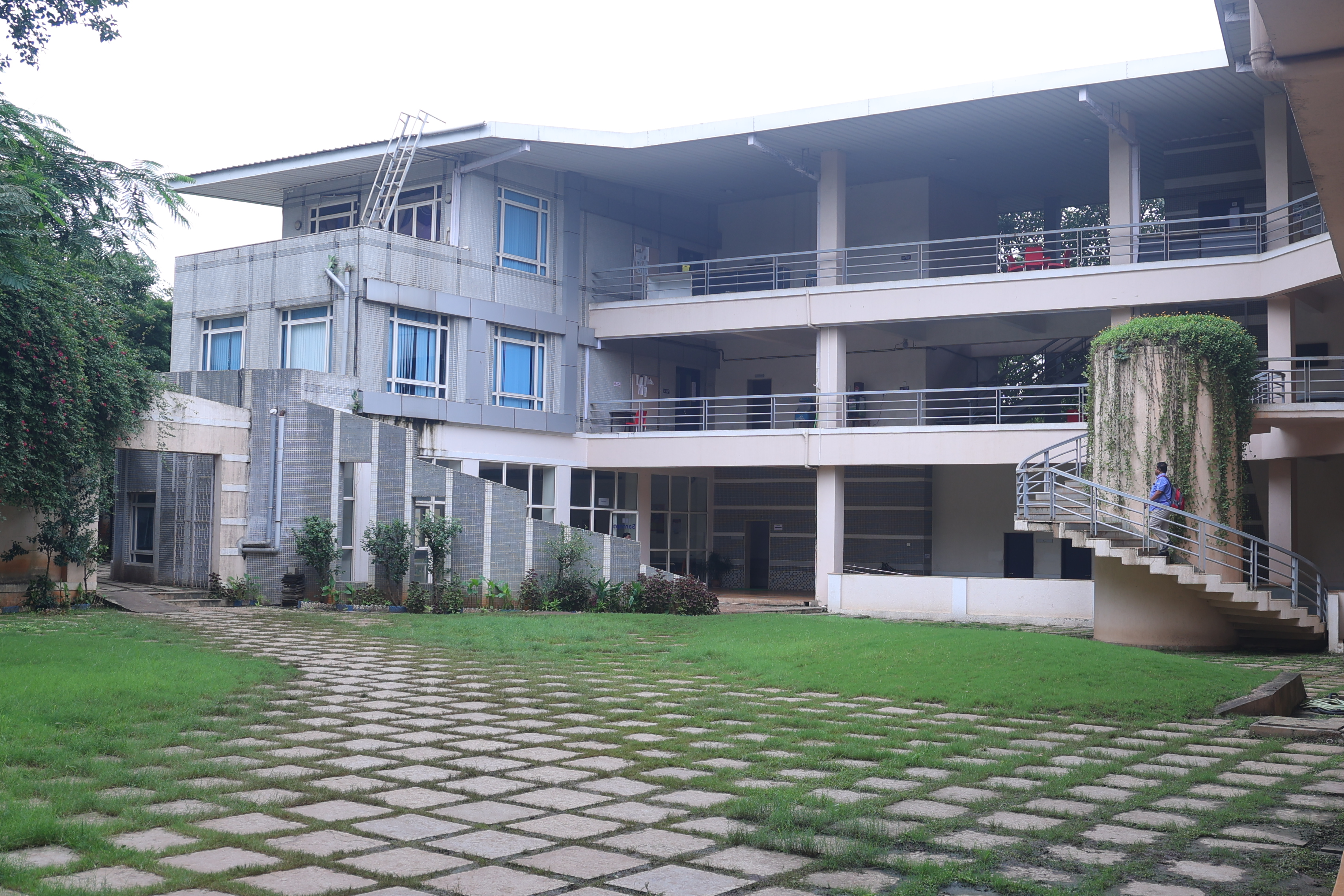
Accreditation signals quality to employers. Placement records show which firms actually recruit and for which roles. Faculty experience decides whether case studies land or fall flat. And the practical component, the internships and live projects, teaches more than any lecture. When you're comparing MBA courses after engineering, weigh all of these, not only the specialisation name. This is exactly where NICMAR University in Pune stands out. Since 1983 it has focused on construction, project, and infrastructure education, so its specialisations carry genuine industry depth. You'll find programmes tailored to engineering graduates, backed by modern labs, a dense industry network, and strong placements.