Why This Career Track Exists Now
Regulation did most of the heavy lifting here. Indian companies above a certain size now have to disclose ESG performance, and global supply chains increasingly demand the same from their Indian vendors and partners. That's not optional paperwork anymore; it's a compliance requirement with real financial consequences attached.
What that means practically: someone has to actually do the work. Measure emissions, assess environmental risk, build out energy efficiency programmes, manage carbon reporting. Careers in environment and sustainability exist because this work didn't exist as a formal job category a decade ago, and now it does, at scale, across nearly every major industry.
The future of sustainability careers isn't speculative. It's already showing up in hiring numbers across infrastructure, manufacturing, energy, and financial services.
What a Sustainability Professional Actually Does
The job title varies. Sustainability manager, ESG analyst, environmental risk officer, carbon consultant. The underlying work overlaps considerably across all of them.
A sustainability professional typically handles environmental impact assessment, regulatory compliance tracking, energy audits, and sustainability reporting frameworks. Some roles lean technical, closer to engineering and data analysis. Others lean strategic, closer to business consulting and policy. Both tracks need a working knowledge of environmental science alongside genuine management skill, which is precisely the combination most traditional MBA programmes don't teach.
This gap is exactly where a sustainability management degree earns its relevance.
Two Distinct Paths: Energy vs. Environmental Sustainability
Not all sustainability careers look the same, and the specialisation matters more than most applicants realise going in.
An MBA in environmental sustainability, like NICMAR's MBA ENS programme, builds toward roles in environmental impact assessment, ESG governance, pollution control, and green infrastructure management. Students work through environmental management systems, climate change and natural resource management, circular economy principles, and risk assessment, alongside core business subjects like finance and people management. Career tracks here run into infra sustainability management, green financing, lead auditing, and environmental risk consulting.
An MBA in environmental management focused on energy, NICMAR's MBA SEM programme being one example, points toward a more specific destination. The curriculum covers energy market outlook, power infrastructure operations, clean energy transition, and carbon neutral enterprise development. Graduates typically land in energy performance monitoring, project delivery for power and infrastructure companies, energy consulting, and analytics roles at organisations working across renewable and conventional energy.
Both qualify as an MBA in infrastructure management in a broader sense, given how closely tied energy and environmental work are to large-scale infrastructure projects in India.
Why Employers Are Actually Hiring for This
Three things are happening at once. Indian regulators are tightening ESG disclosure norms. Global investors are pricing climate risk into how they evaluate Indian companies. And infrastructure projects, the kind India is building constantly right now, increasingly require sustainability sign-off before they can move forward.
Suzlon, Adani Green, Reliance Industries, Kalpataru Power, Tata Projects, and L&T Hydrocarbons Engineering all hire for sustainability-adjacent roles regularly, spanning energy performance monitoring, project handling, procurement, and analytics. That's not a niche list. These are major employers across power, infrastructure, chemicals, and engineering, and they're competing for the same limited pool of qualified candidates.
A sustainability management course that combines classroom learning with field-based project work tends to produce graduates who are actually ready for this kind of role on day one, not just theoretically aware of it.
What to Look for in a Sustainability Management Course
Not every programme delivers the same outcomes, and the difference usually comes down to how much hands-on exposure students actually get.
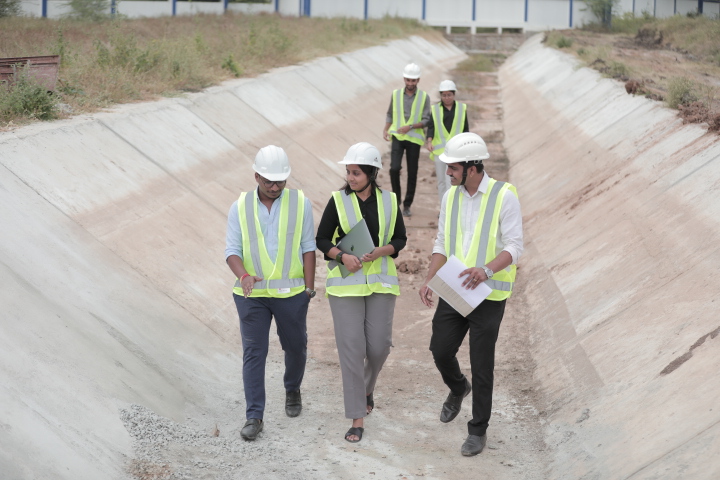
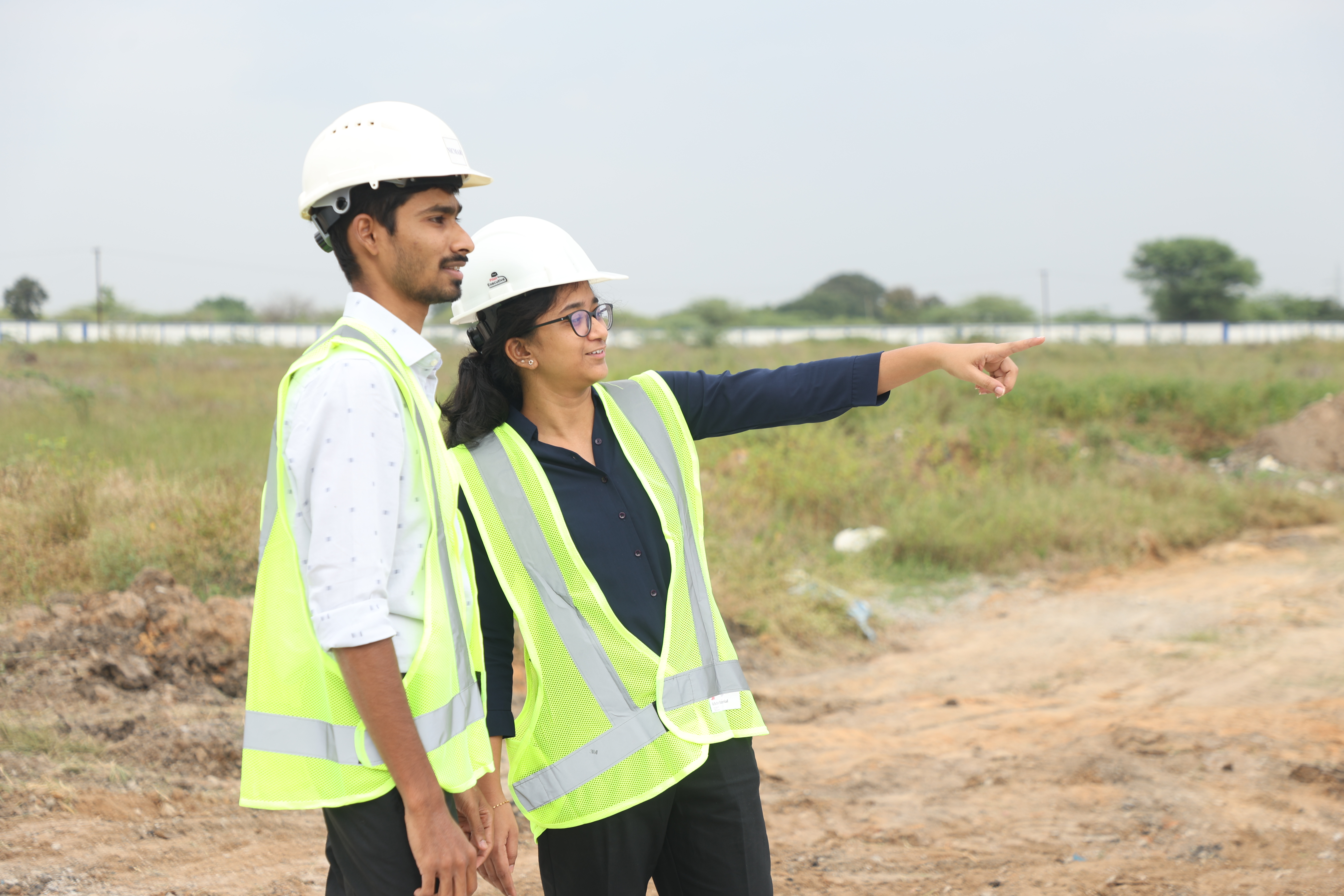
Look for mandatory internships, not optional ones. Look for industry-aligned project work rather than purely academic assignments. Look for training on tools that employers actually use, things like remote sensing, GIS, life cycle assessment, and ESG reporting software, rather than generic case study discussions. NICMAR's programmes build these in directly, with summer internships, applied business projects, and lab-based training on energy and environmental monitoring tools as standard components, not electives.
The placement outcomes tend to follow from this structure rather than happening despite it.
Is This the Right Career Move?
Worth asking honestly. Sustainability careers in India aren't going to plateau anytime soon, given how far behind most companies still are on ESG maturity and how much infrastructure development is happening simultaneously. That said, the field rewards people who actually want the cross-disciplinary mix of environmental science, data, and business strategy rather than those looking for a purely technical or purely managerial role.
If that combination sounds appealing, a sustainability management degree from a programme with strong industry ties and real fieldwork is a genuinely sound investment. If it doesn't, there are plenty of other MBA specialisations that might fit better.