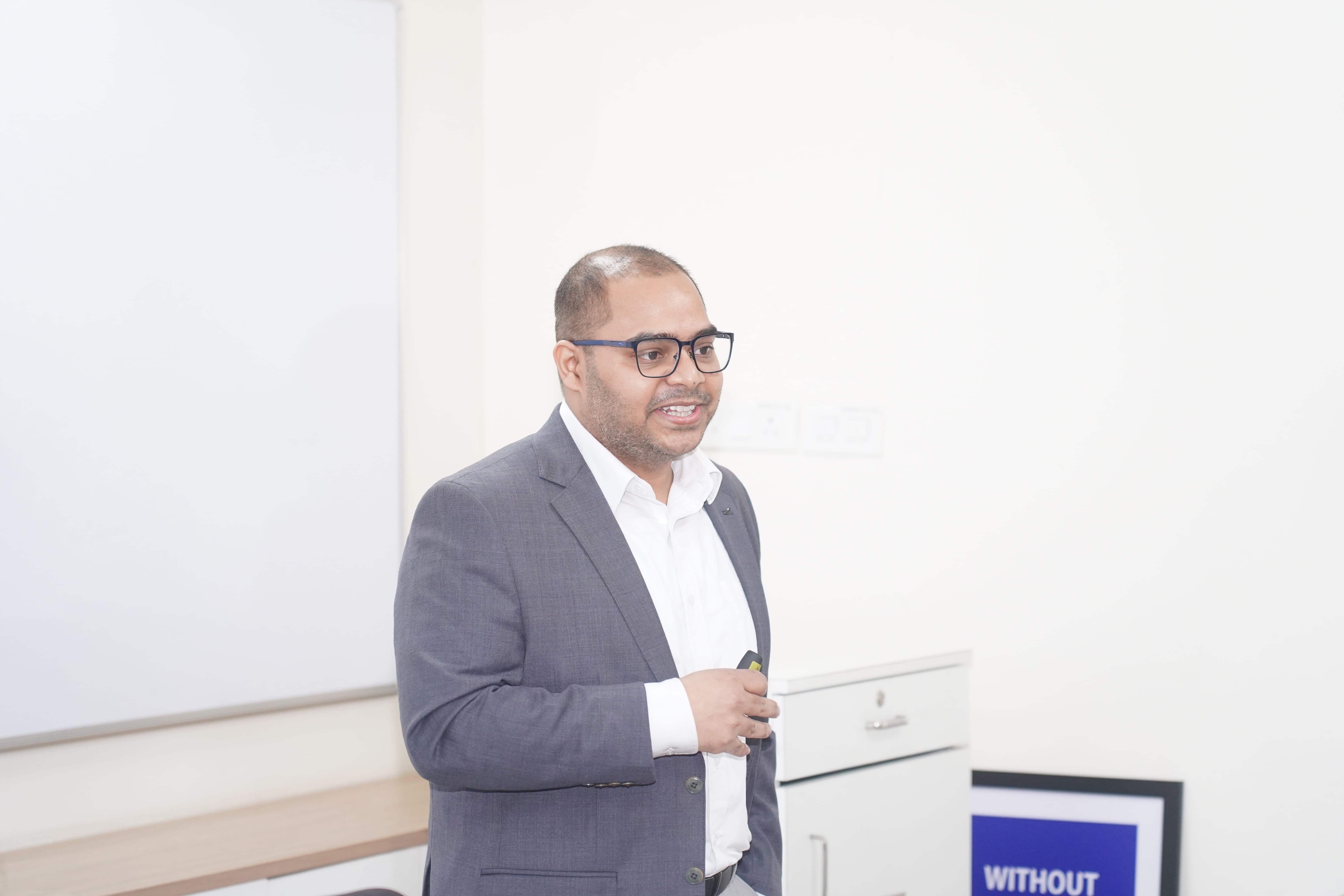
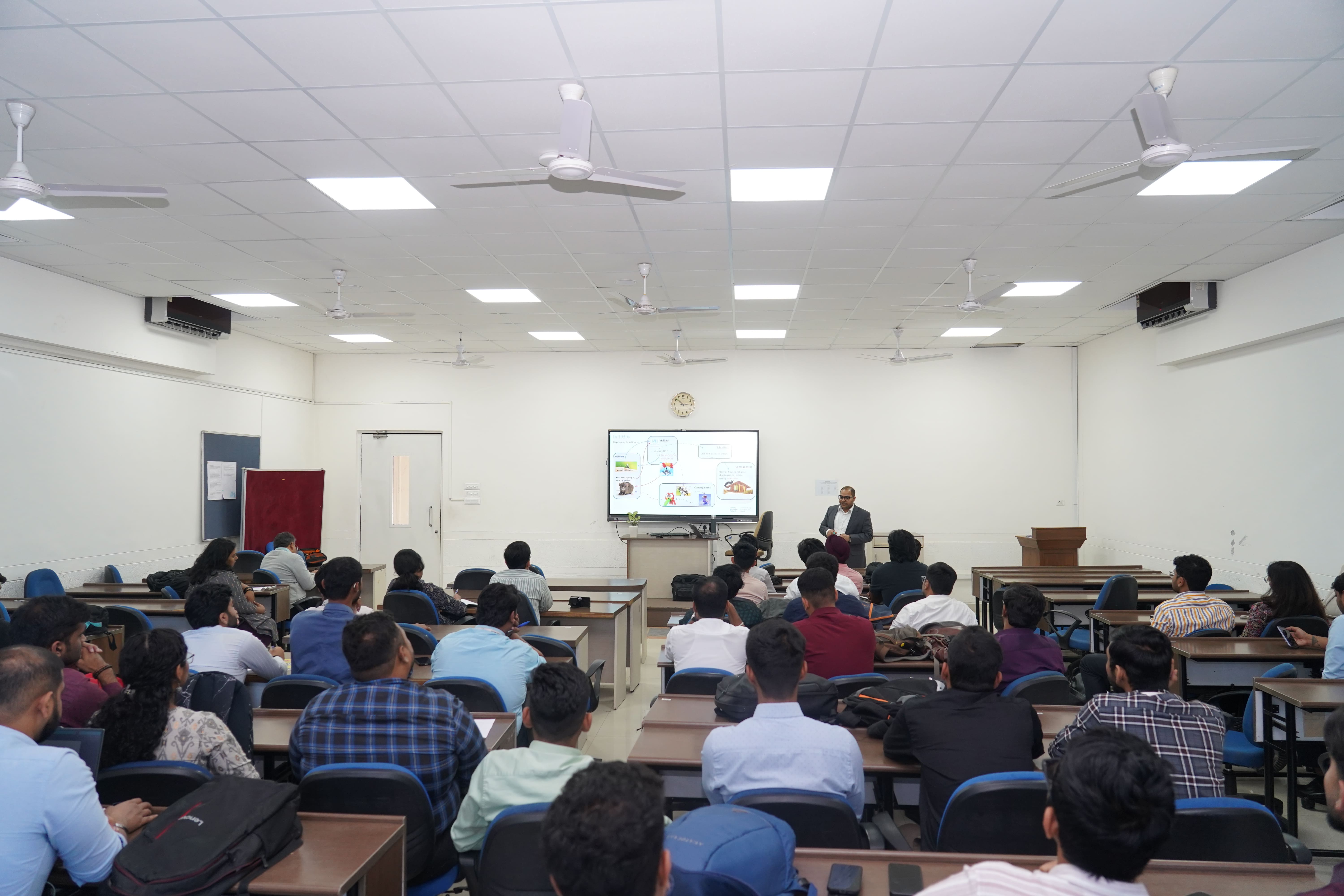
Stepping into the New Year: In Conversation with the Vice Chancellor
As we embrace the new year, it is an opportune moment to pause, reflect, and look ahead with
optimism. The past year has been one of meaningful progress, collective effort, and notable
milestones for our university. To reflect on those achievements and gain insight into the
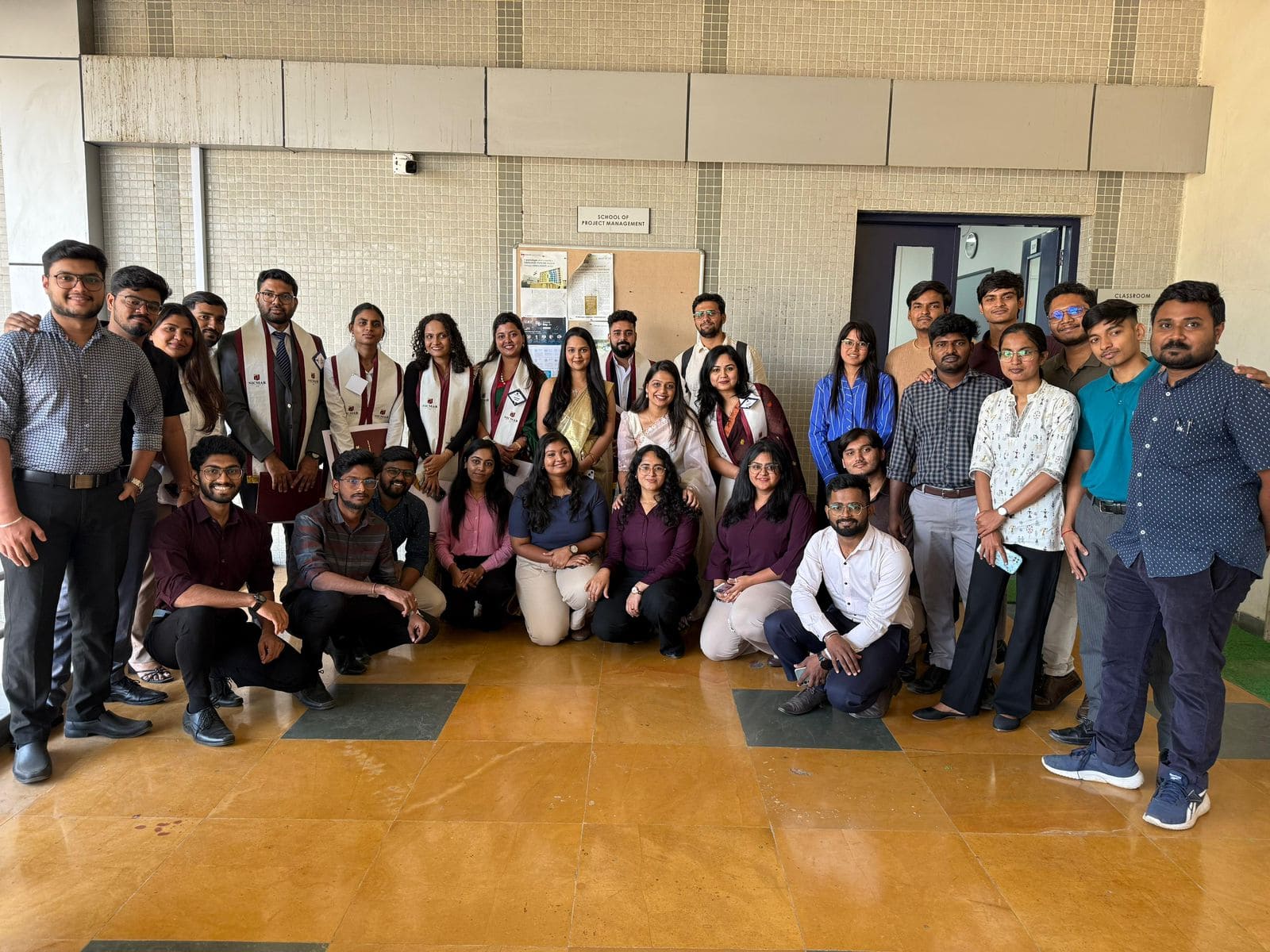
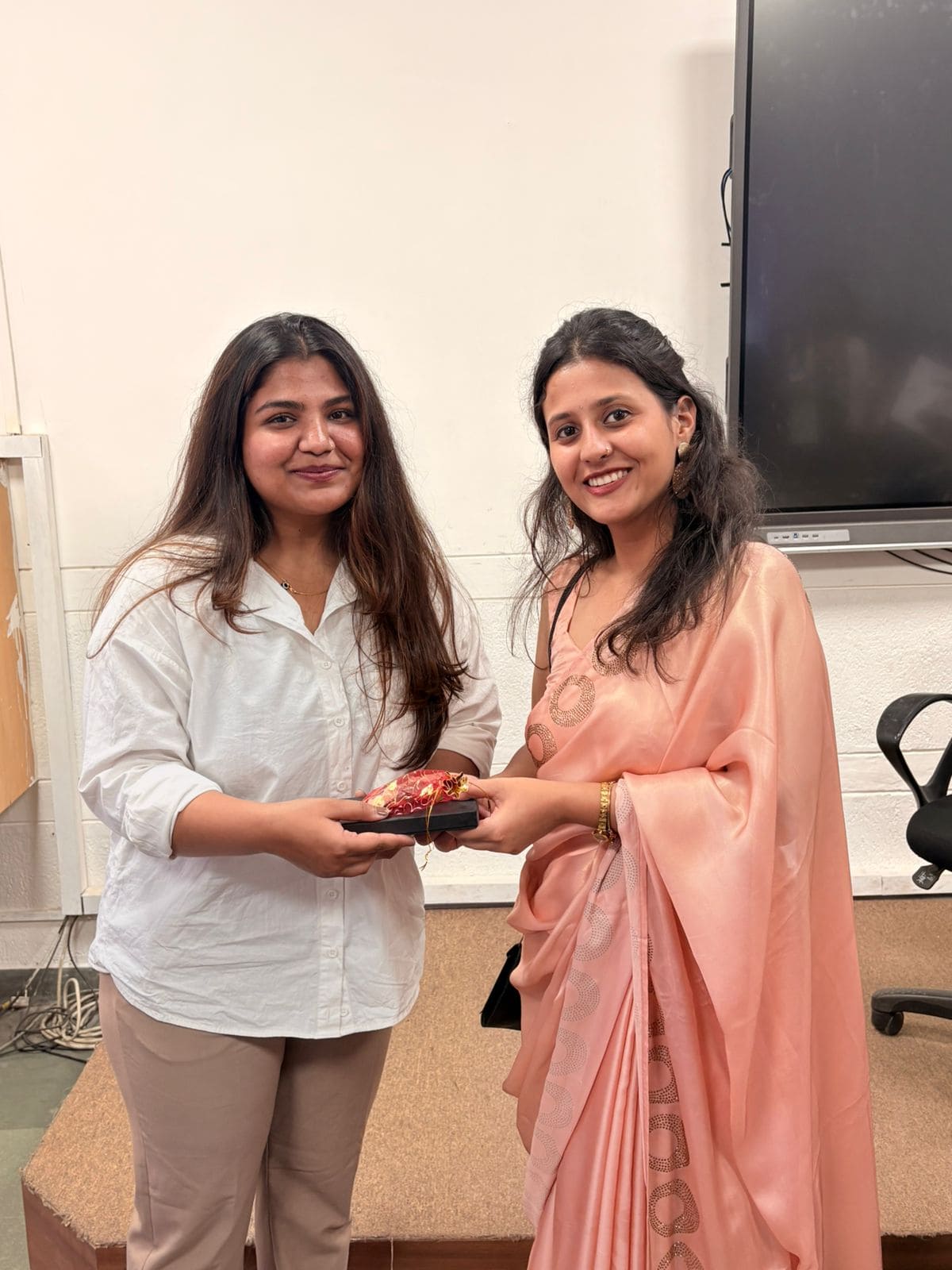
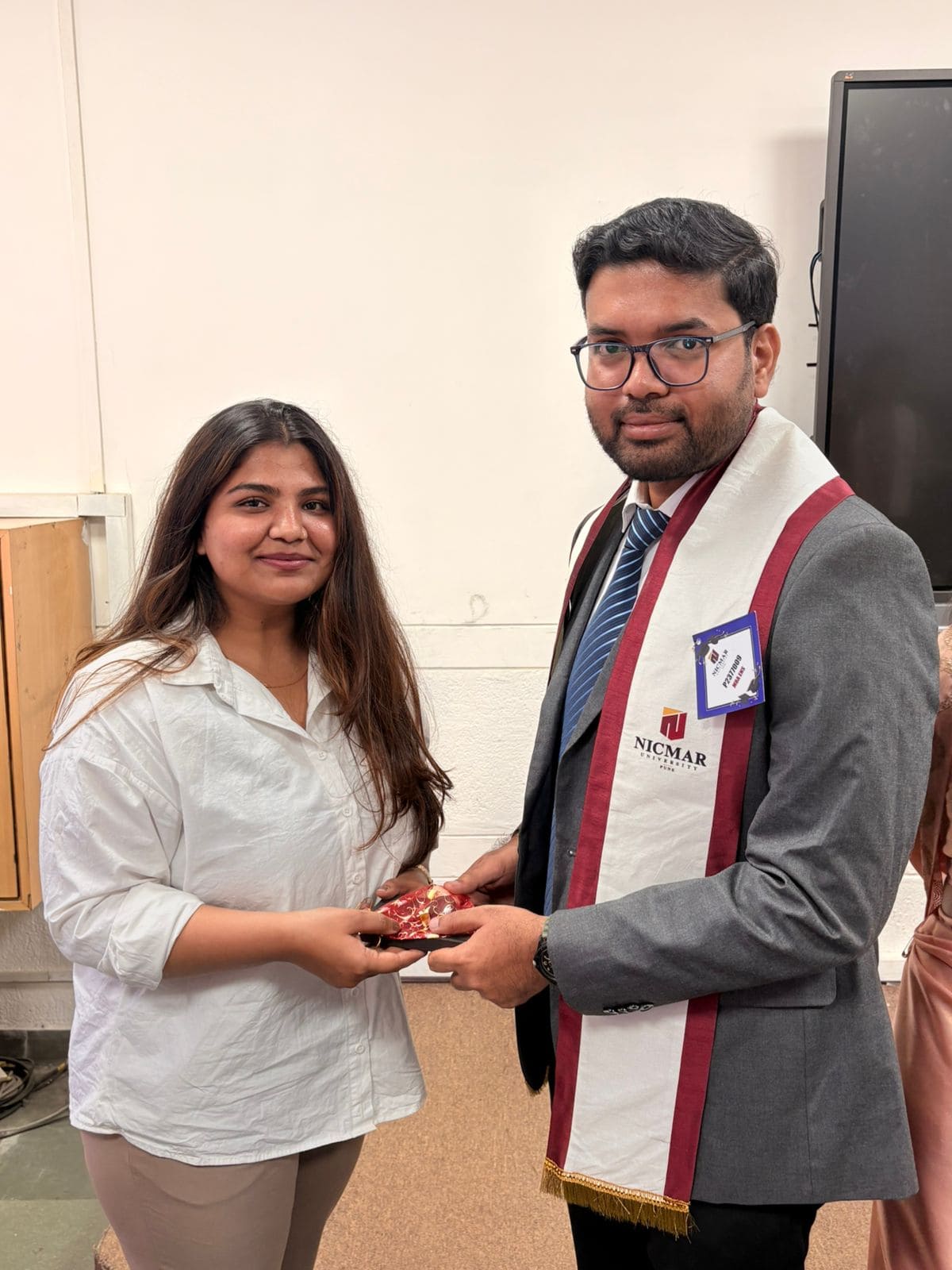
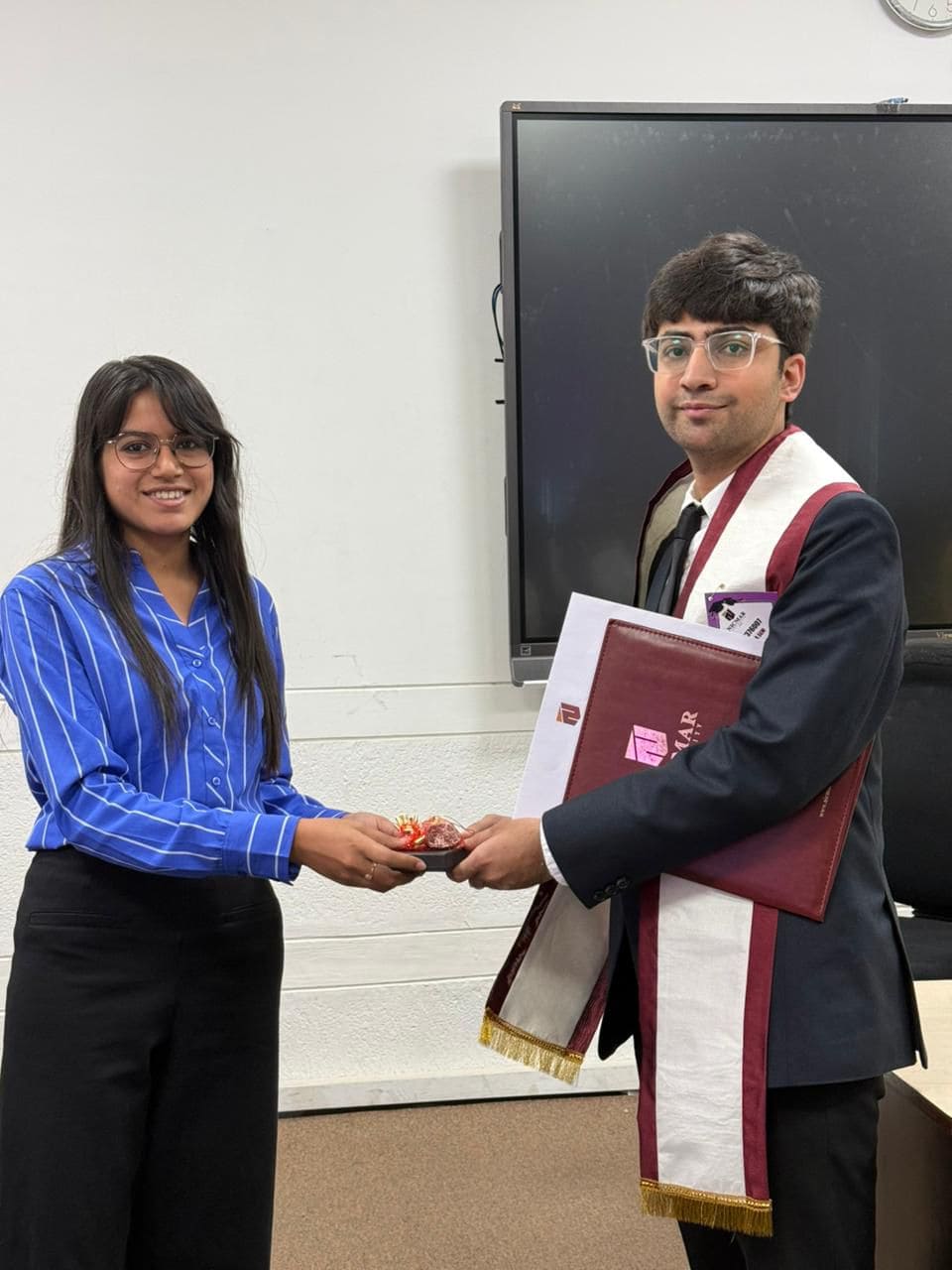
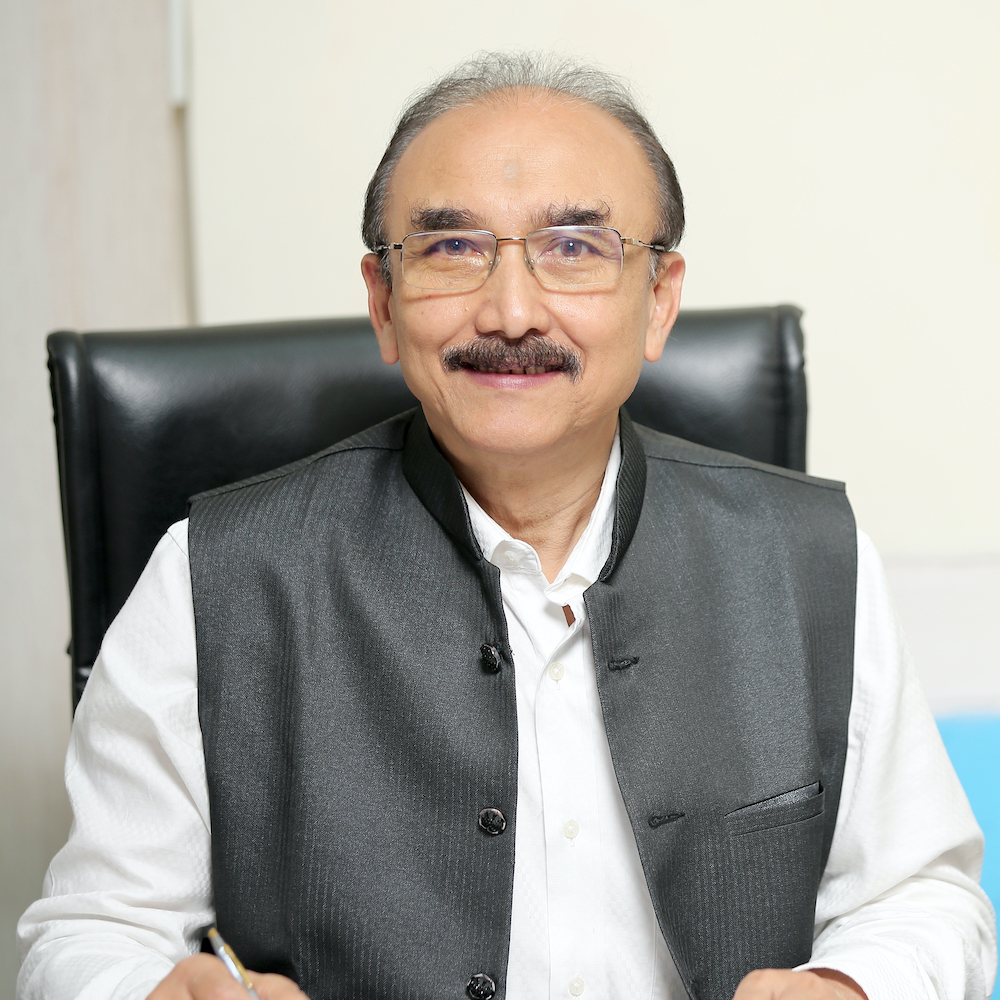
road ahead, we had a candid conversation with our Honourable Vice Chancellor, Dr. Sushma S.
Kulkarni. Adding a refreshing perspective to this dialogue, the interview was conducted by a
first-year student of MBA (Advanced Project Management) Mr. Vighnesh Bhadsavle from section
I. In this interview, the Vice Chancellor shares key highlights from the year gone by and
outlines priorities and aspirations for the year ahead offering clarity, direction, and
inspiration as we embark on the next phase of our journey together.
Vighnesh: As we step into the New Year, looking back at the university’s
journey over the past year, what developments or milestones stand out most for you as Vice
Chancellor?
Vice Chancellor: NICMAR carries a legacy of over forty years, but becoming
a university in 2022 marked a decisive shift in our journey. While the legacy gives us
strength, the objectives, vision, and mission of a university are fundamentally different
from those of an institute.
“Our focus moved from running a few successful programs to building a global university with
a long-term vision.” Since becoming a university, we have consciously expanded our academic
footprint, strengthened governance and aligned ourselves with a future-oriented vision; one
that emphasizes employability, sustainability, research, and global mobility. The last three
years have been about laying strong foundations for this larger transformation.
Vighnesh: What are the key priorities you have set for NICMAR University in
the year ahead?
Vice Chancellor: One of my top priorities is research and development,
because any university is ultimately known by its faculty and the research it produces. I
want NICMAR University, Pune to contribute meaningfully to the construction and built
environment sector by adding new knowledge and practical solutions.
“Research is not about reproducing what is already known; it is about asking what new value
we can add to the body of knowledge.” We are focusing on emerging areas such as artificial
intelligence, automation, robotics and their applications in construction, project
management, infrastructure, energy and real estate. These priorities are closely aligned
with how the industry itself is evolving.
Vighnesh: How do you see NICMAR University strengthening academic quality,
research and real-world impact simultaneously?
Vice Chancellor: Academics are the core of the university and faculty are
its backbone. Strong academic quality comes from robust curricula, experiential learning and
effective classroom delivery. Our emphasis is on project-based learning, case studies,
internships and hands on exposure, so that students experience the application of theory.
Our programmes such as MBA (Advanced Construction Management) and MBA (Advanced Project
Management) have been accredited by the Project Management Institute (PMI) which reflects
the quality practices we follow at the university.
“What students learn should prepare them for addressing real life problems, not just
examination answers.”
Research and academics go hand in hand. Through thesis work and projects, students develop
analytical skills, problem solving abilities, teamwork and decision-making capabilities;
skills that are essential for leadership roles in the real world.
Vighnesh: In what ways are national initiatives like NEP 2020 and global
benchmarks shaping NICMAR University’s direction going forward?
Vice Chancellor: NEP 2020 is a very well drafted policy that aligns Indian
education with global standards while remaining grounded in India’s cultural and academic
heritage. It promotes multidisciplinary learning, flexibility, and global mobility;
principles that are essential for a modern university. It also focuses on faculty
development and a separate vertical for research funding is created to promote research in
universities along with entrepreneurship.
“Our graduates should be rooted in India, but capable of fitting anywhere in the world.”
Provisions such as multiple entry and exit, the Academic Bank of Credits, digitization of
records and multidisciplinary electives have been adopted at NICMAR University. These
reforms enhance flexibility, transparency and global recognition of our academic programs.
Vighnesh: What would you like NICMAR University students to focus on as
they step into the New Year?
Vice Chancellor: Students should focus on developing strong fundamentals, a
learning mindset, and the courage to step out of their comfort zones. Education is not
merely about scoring marks or passing examinations; it is about preparing for life and
leadership.
“Do not learn only to pass the exam. Learn to be successful in life.”
I strongly encourage students to challenge themselves through projects, research and
emerging skill areas. Lifelong learning is no longer optional; it is a necessity in a
rapidly changing world.
Vighnesh: How is the university supporting faculty and staff to innovate
and grow in a rapidly changing academic environment?
Vice Chancellor: Faculty and staff development is a strategic priority
because learning never stops for anyone. NICMAR University provides full financial support
for faculty to attend conferences, present research, participate in faculty development
programs and gain international exposure. We also regularly conduct staff training
programmes so that they remain abreast of the new advancements and practices.
“A university grows only when its faculty grows.” In addition to academic training, we
invest in leadership development, mentoring, counseling skills and pedagogical innovation.
Faculty are trained to design courses thoughtfully by defining learning outcomes, teaching
methodologies, projects and assessments in a structured manner.
Vighnesh: What role will industry collaboration, innovation, and
experiential learning play in the coming year?
Vice Chancellor: Industry collaboration is central to NICMAR’s identity.
Our programs are shaped through continuous interaction with industry leaders, professional
bodies and practitioners. Experiential learning through internships, live projects and
industry led sessions ensures relevance and readiness.
“When industry tells students why they need to learn something, learning becomes
meaningful.” These interactions help students understand the purpose behind their education
and align their aspirations with real world demands.
Vighnesh: How important are emerging technologies and digital
transformation in your vision for NICMAR University?
Vice Chancellor: Emerging technologies such as AI, automation and data
analytics will significantly transform the construction and project management sectors.
NICMAR University is actively integrating these technologies into research and learning so
students can apply them effectively in decision making, procurement and project
execution.
“AI is a tool but the intelligence still lies with the human being who knows how to use it.”
Strong foundational knowledge remains essential, because technology evolves rapidly, but
fundamentals enable adaptability.
Vighnesh: NICMAR has introduced several new, highly specialized programs
aligned with industry demand. Could you elaborate on these initiatives?
Vice Chancellor: Based on direct industry inputs, we have launched one year
Post Graduate Diploma programs, including PGD in Ready Mixed Concrete Management, developed
with the Ready Mixed Concrete Association of India, and PGD in Asset and Facilities
Management, aligned with the Facilities Management Association.
“These programs exist because the industry clearly told us. This is where the future demand
lies.” In addition, we are working towards establishing Centers of Excellence in areas such
as Project Management, AI applications, 3D Concrete Printing and Energy Management,
positioning NICMAR University as a voice of authority in the built environment sector.
Vighnesh: Finally, what does success look like for NICMAR University at the
end of the year, and what message would you like to share with the NICMAR community?
Vice Chancellor: Success is reflected in strong research output, quality
admissions, effective teaching learning processes, holistic student development and industry
preference for NICMAR University graduates.
“When industries say, ‘We want students from NICMAR University Pune,’ that is real success
for us.”
My message to the NICMAR community is inspired by Martin Luther King Jr.:
“If you cannot fly, then run. If you cannot run, then walk. If you cannot walk, then
crawl but whatever you do, you have to keep moving.”
Progress may be gradual, but consistent effort and lifelong learning will always lead to
success.
.jpg)
.jpg)