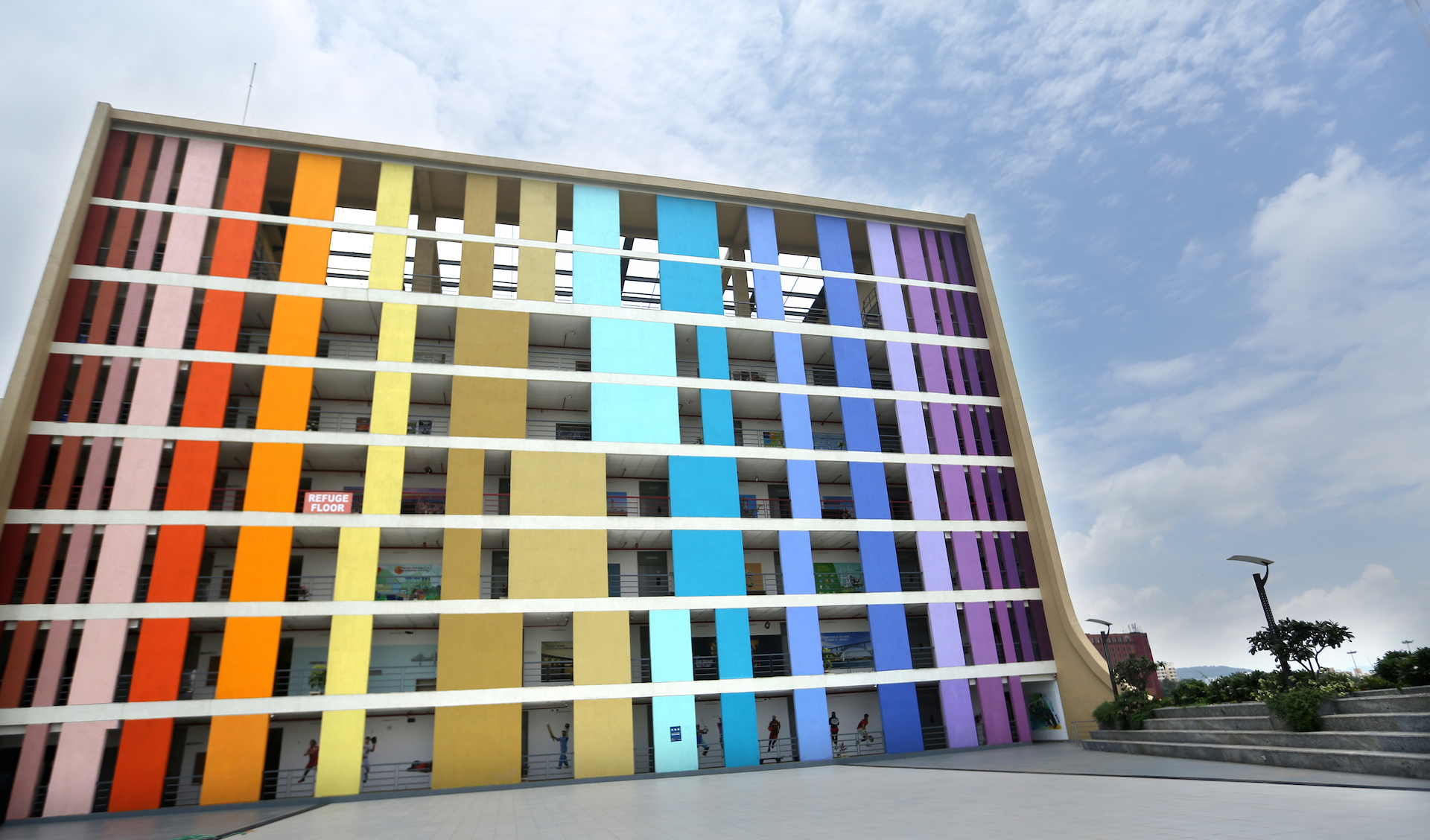
Discover your potential at the School of Architecture and Planning, where a dynamic curriculum blends design, technology, and sustainability to prepare you for the challenges of designing and shaping future urban landscapes. Engage in hands-on learning and innovative thinking to become a leader in creating resilient, sustainable communities.
Vision & Mission
Be a leader in shaping the future of built environment by providing an exceptional education that blends innovative practices with real-world applications, empowering students to create sustainable architecture and plan for resilient communities locally and globally.
Design your experience, your way
Our Programmes
Experience our exceptional programs designed to enhance your skills and knowledge in architecture and planning.
Bachelor of Architecture
Embark on a journey of mindful architectural exploration, guided by a meticulously crafted pedagogy.

Master of Planning (Urban Planning)
Become an industry-ready urban planner to lead the country’s future urban development.

Full Time & Part Time Ph.D.
The Ph.D. programs at NICMAR assist you in shaping the research career of your choice.

We encourage students to bridge theory and practice, gaining practical insights into the evolving fields of architecture and planning.
About the dean
Supriya Nene
Dr. Supriya Nene has thirty years of academic and professional experience in the USA and in India combined. She enjoys academics and has keen interest in progressive approach and concepts of sustainable development. Dr. Supriya graduated from Maharaja Sayajirao University Vadodara, in Architecture in 1992. She achieved her Master’s degree MS-Architecture with specialization in Computer Applications with full University Grants Scholarship and Research Assistantship from University of Cincinnati, Ohio, USA in 1998. She received her Doctorate in Architecture from CEPT University, Ahmedabad in 2015. She is a registered Architect with the Council of Architecture, India and Associate of the Indian Institute of Architects, Pune chapter. She is also IGBC Accredited Professional and GRIHA trainer. Dr. Nene has written and presented many research papers at national and international forums. She has been invited on professional and academic committees by various bodies and universities. As a professional Architect, she has worked on infrastructure, commercial and institutional projects from design development to coordination with consultants for execution of the projects in various capacities. She is an entrepreneur in the field of built environment and international education. She is also a painter and has won many accolades and held exhibitions of her works.

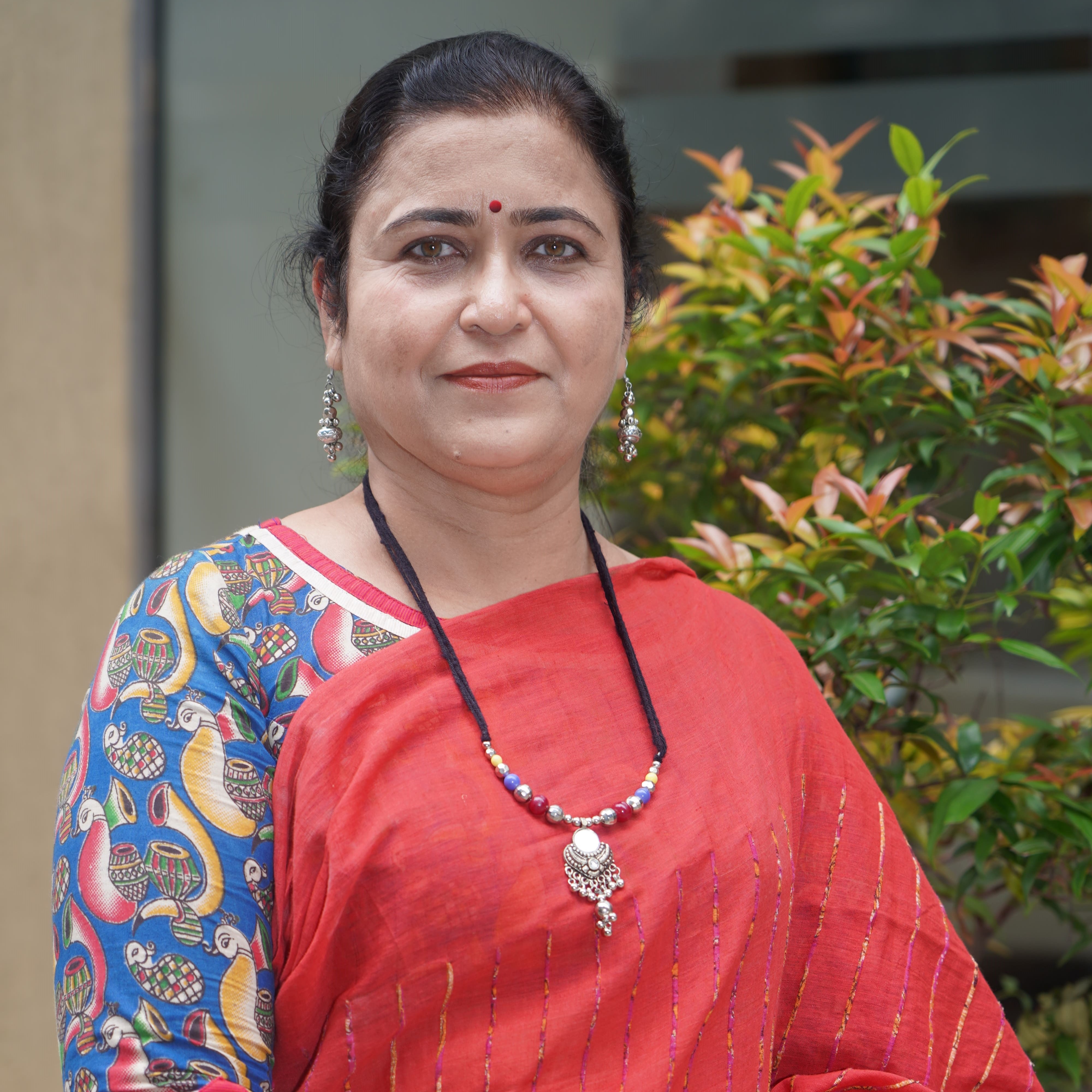
Dean, School of Architecture and Planning
The flag bearers of change
Our Faculty
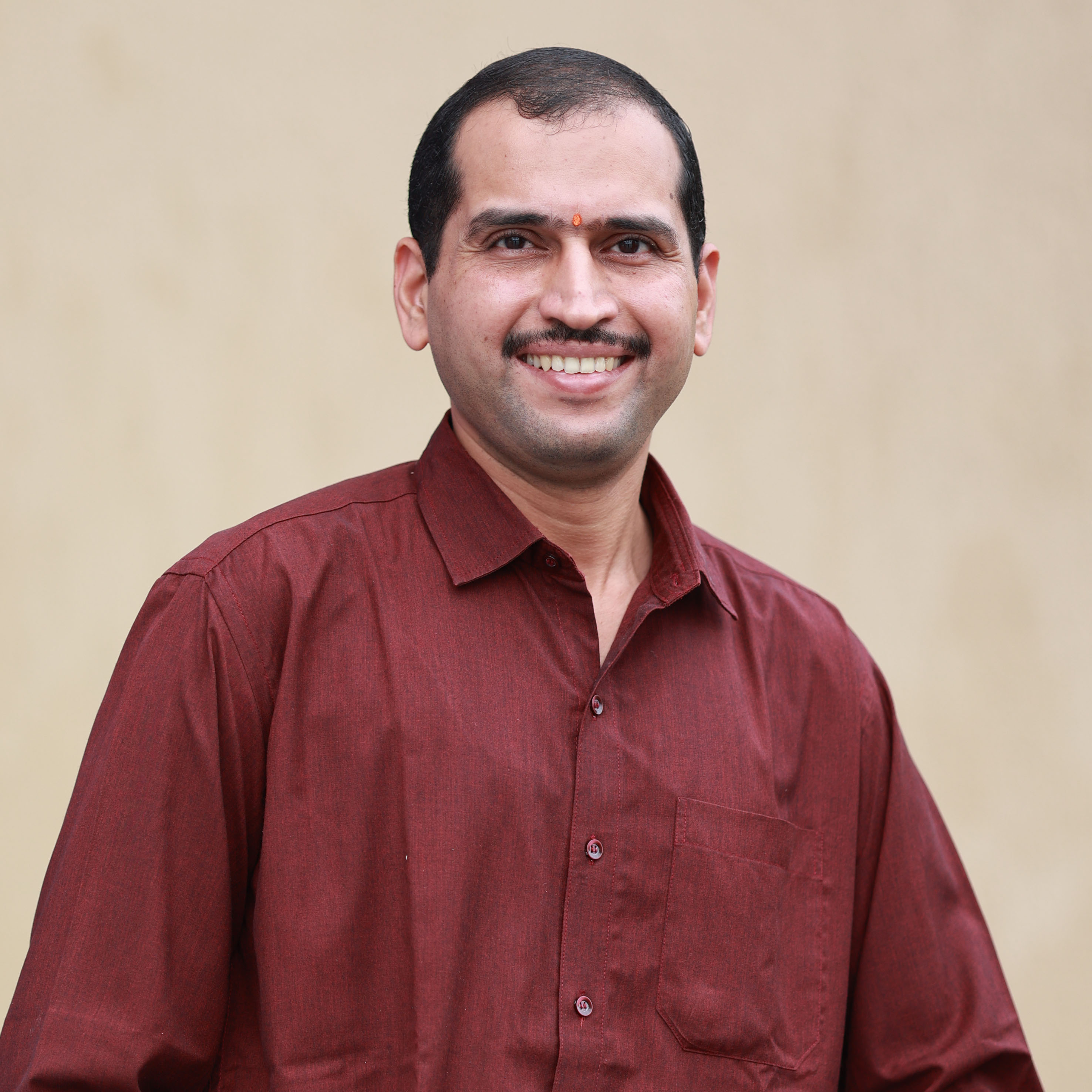
Assistant Professor
Dr. Manas Marathe is an architect-urban planner with professional experience of more than 10 years, including 7 years of teaching experience at different colleges in Pune. Manas completed his B.Arch from Sinhgad College, Pune in 2008. After working for 2 years in the architectural firm Mitimitra Consultants Pvt. Ltd, Pune, he did his Masters in Urban and Rural Planning from IIT Roorkee in 2012. He was a recipient of the prestigious DAAD German academic exchange scholarship in 2011 to pursue Master’s research at TU Darmstadt, Germany and has done his PhD from the same university in 2019. His areas of research include cultural landscapes, urban infrastructure, and traditional water management systems. Currently, he is working as an Assistant Professor at the School of Architecture and Planning, NICMAR University.

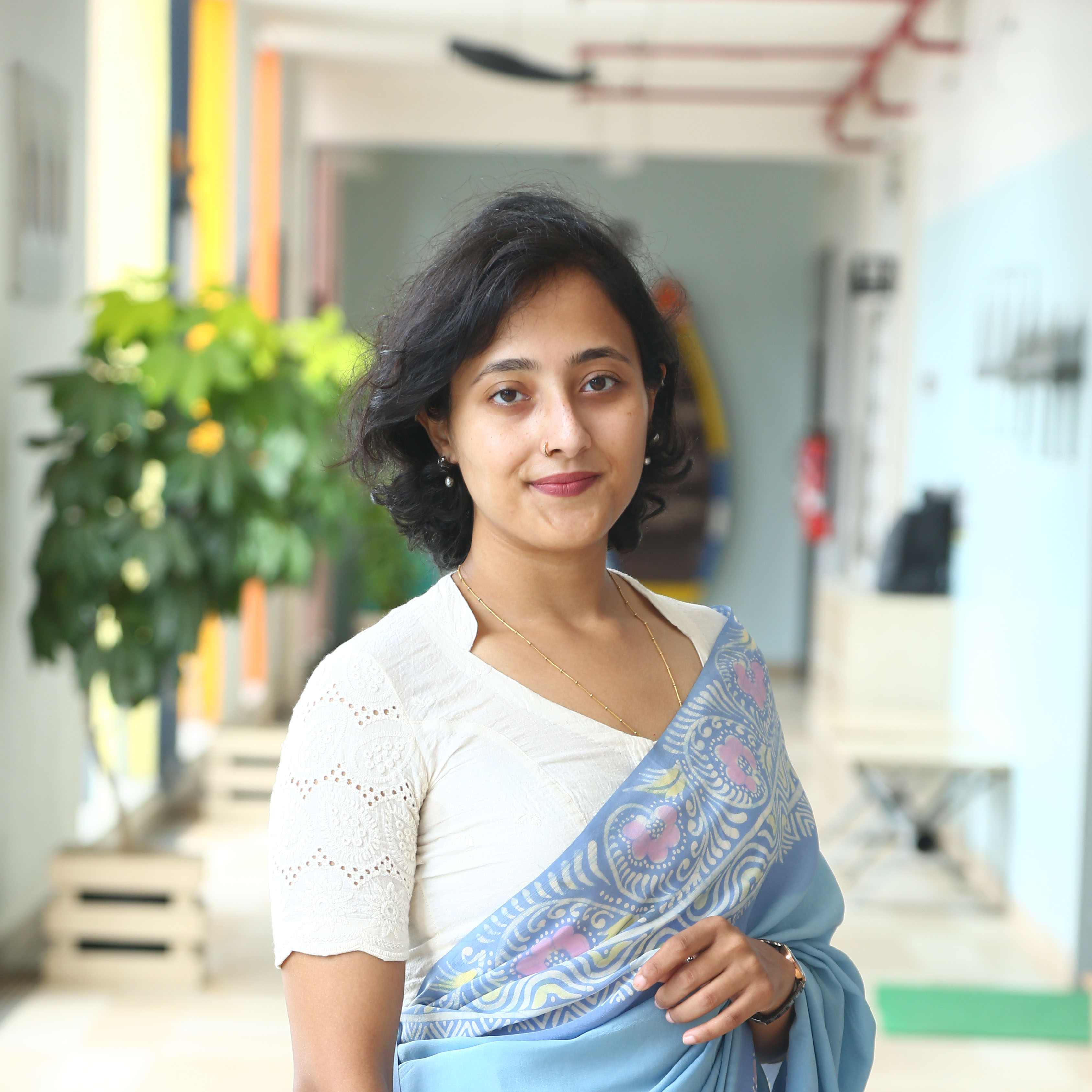
Assistant Professor
Dr. Prinyanka Gayen is an Architect and Urban Designer with her PhD from School of Planning & Architecture, New Delhi. Her topic of PhD was Framework for Designation of Modern Heritage of India. She has taught subjects like Design Studio, Housing and Urban Design, Solar Energy & Built Environment, Architectural Professional Practice, Working Drawing, Building Construction, History of Architecture, Ecology and Environment, Climatology.
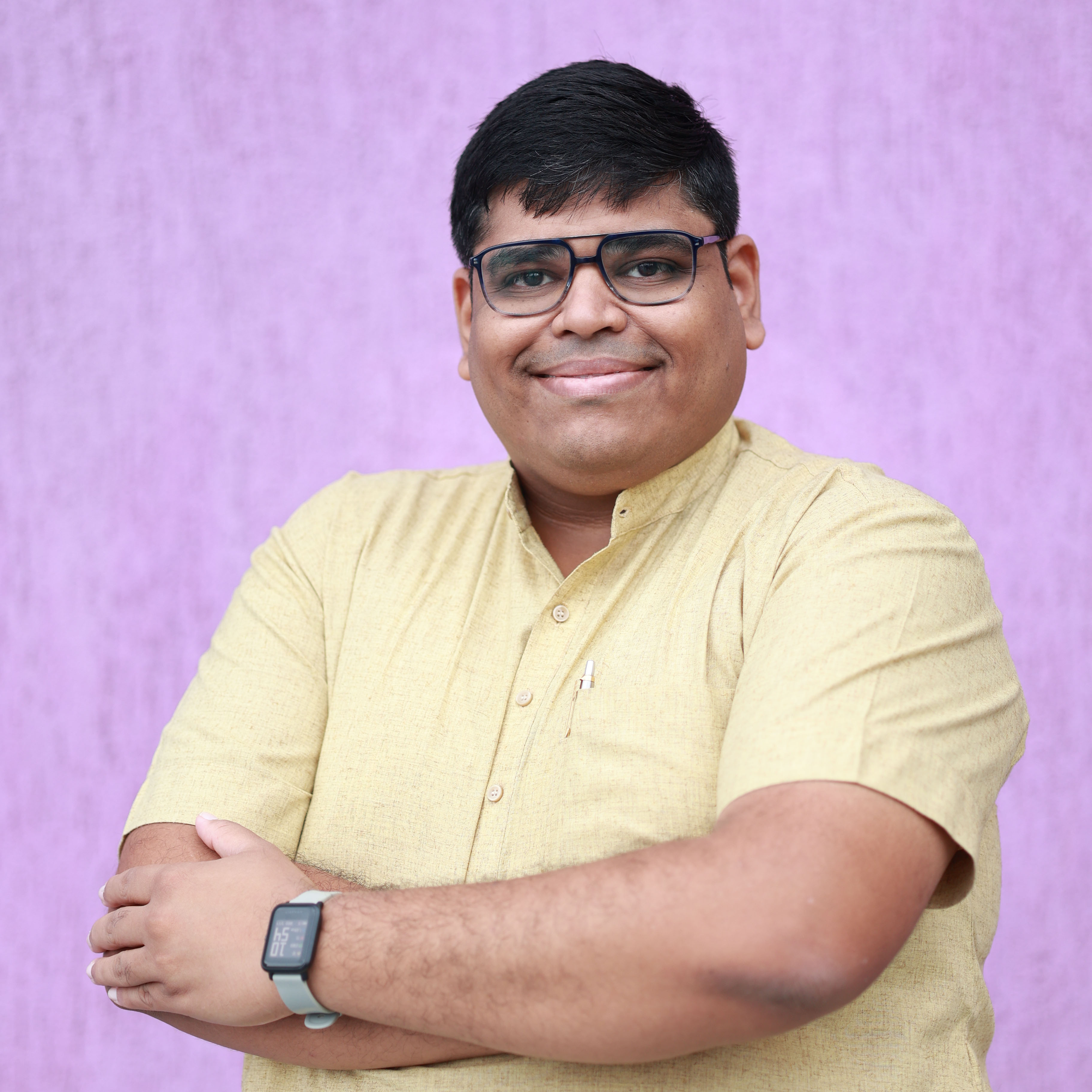
Assistant Professor
Dr. Sameer D. Gujar is an academician and researcher in the field of Architecture. He holds a Bachelors in Architecture from Sir J.J. College of Architecture, Mumbai, a Masters in Environmental Planning from CEPT University, Ahmedabad, and a Ph.D. from Visvesvaraya National Institute of Technology, Nagpur. His research interests include the design of unbuilt spaces, sustainable built environments, and climate-based simulation studies. Passionate about how spaces can better respond to people and the environment, he aims to contribute significantly to architectural education and research, particularly in unbuilt spaces and sustainable design. His teaching experience has honed his skills in academia and administration, fostering a research-based approach to architectural education. He has joined the School of Architecture and Planning as Assistant Professor.
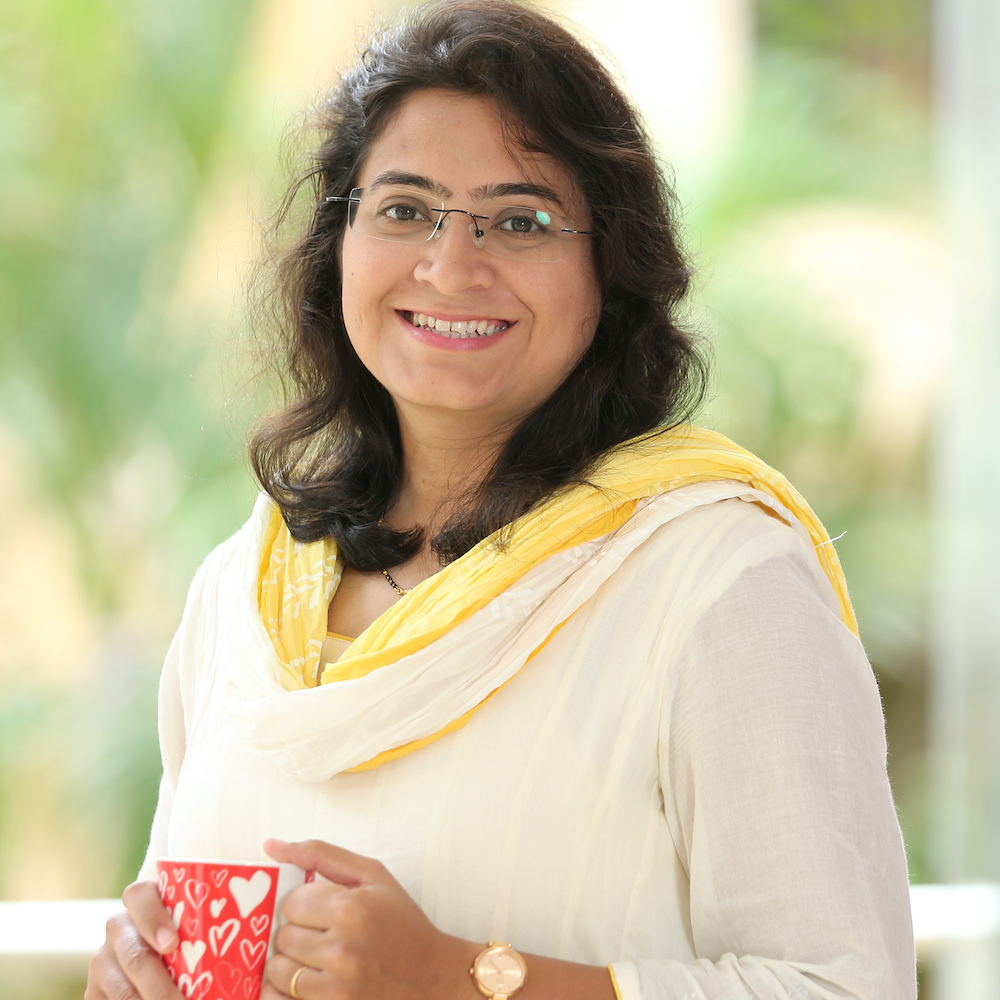
Assistant Professor
Priyanka holds professional experience in the disciplines of Urban Planning and Architecture spanning over 10 years. A GATE scholarship awardee, she holds a Bachelor’s in Architecture and a postgraduate degree in City Planning from the Department of Architecture and Planning at the Indian Institute of Technology Kharagpur, West Bengal. She teaches courses in Urban Planning, Real Estate Development and Project Management. Her research encompasses Energy Planning for Urban Areas and Mega Cities, Transportation Planning and Electric Mobility and Sustainable Development. She is pursuing her doctoral studies from the Department of Energy and Environment at Symbiosis Institute of International Business (Symbiosis International )Deemed) University). She has been awarded the Teaching in Excellence award in 2019 and Best Teaching Practices Award in 2023. She is well versed with execution of professional projects in Architecture, Urban Planning and Renewable Energy field.
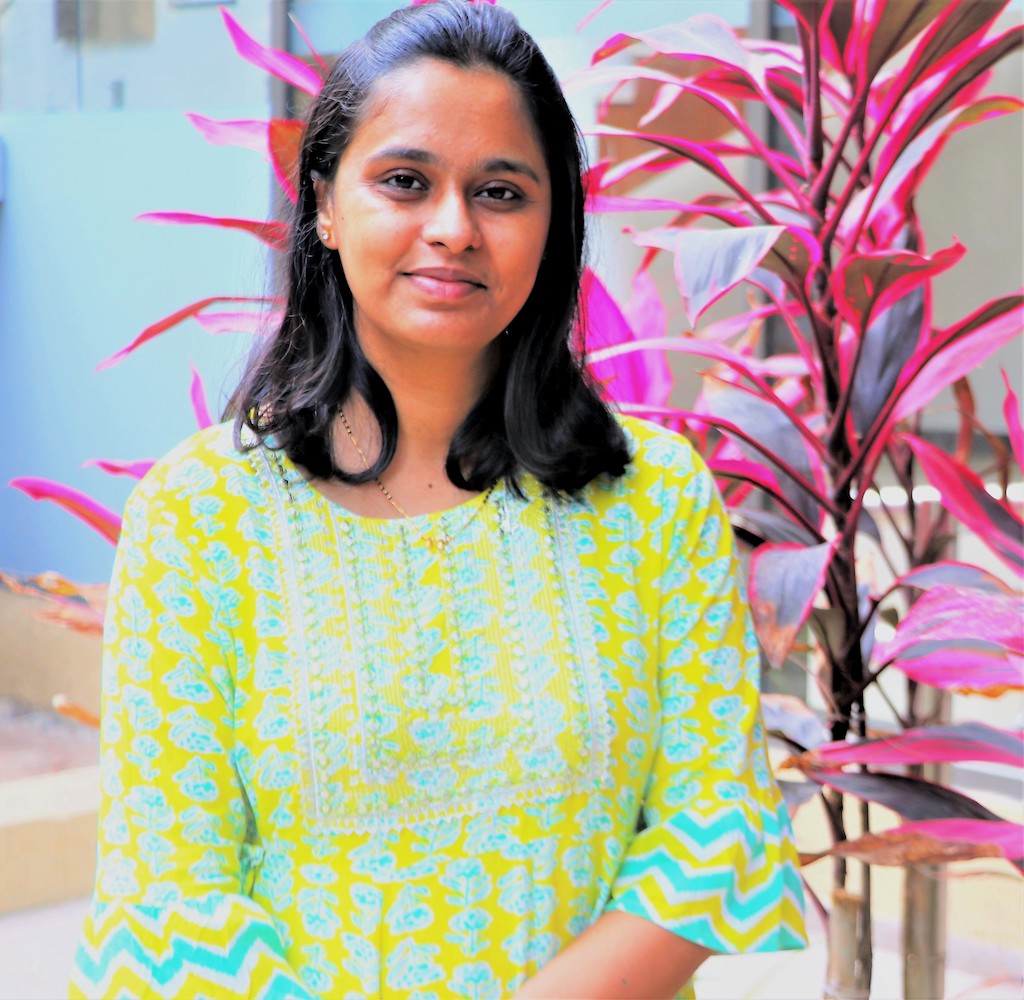
Assistant Professor
Dr.Komal Handore holds a Bachelor’s degree in Planning from Government College of Engineering Pune and a postgraduate degree in Urban and Rural Planning from IIT Roorkee.
She completed her Doctoral degree from IIT Roorkee as well. Dr. Handore specialises in the areas of Urban Planning, Planning Techniques, Smart Cities, Inclusive Cities, GIS and Remote Sensing.
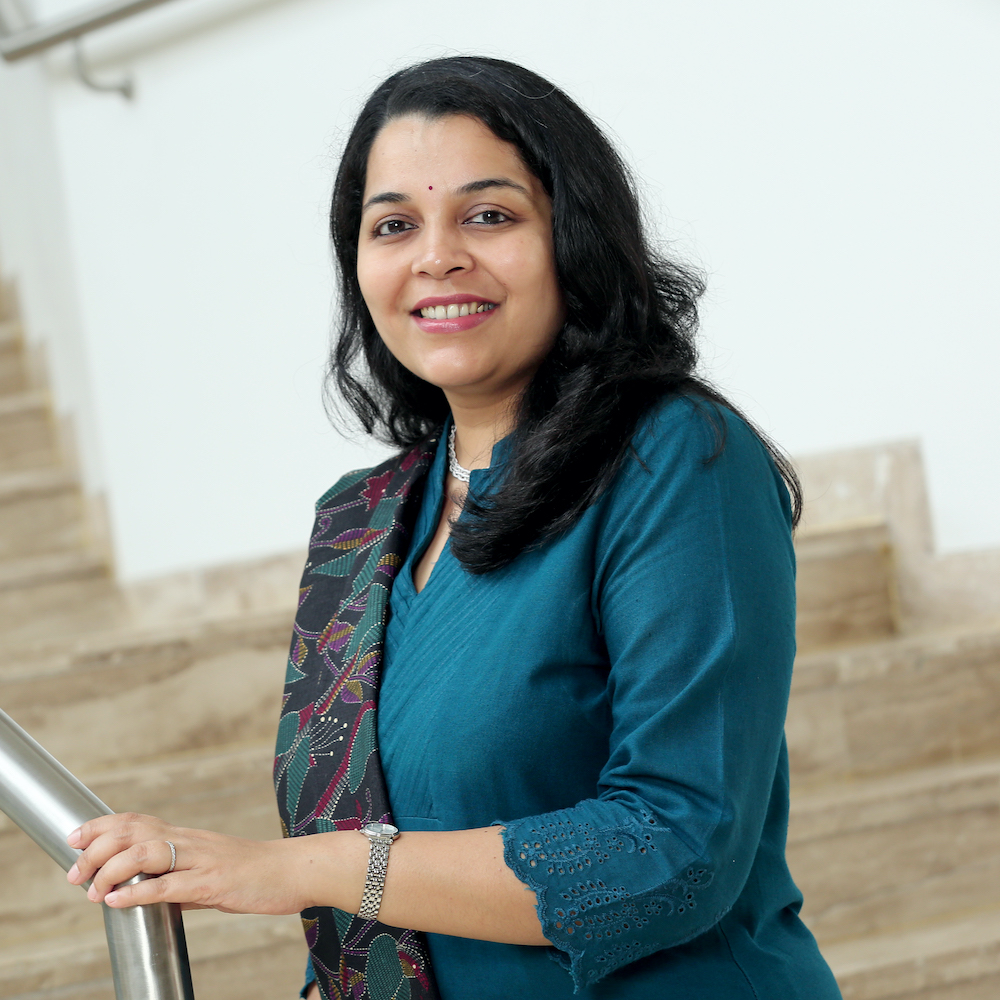
Assistant Professor
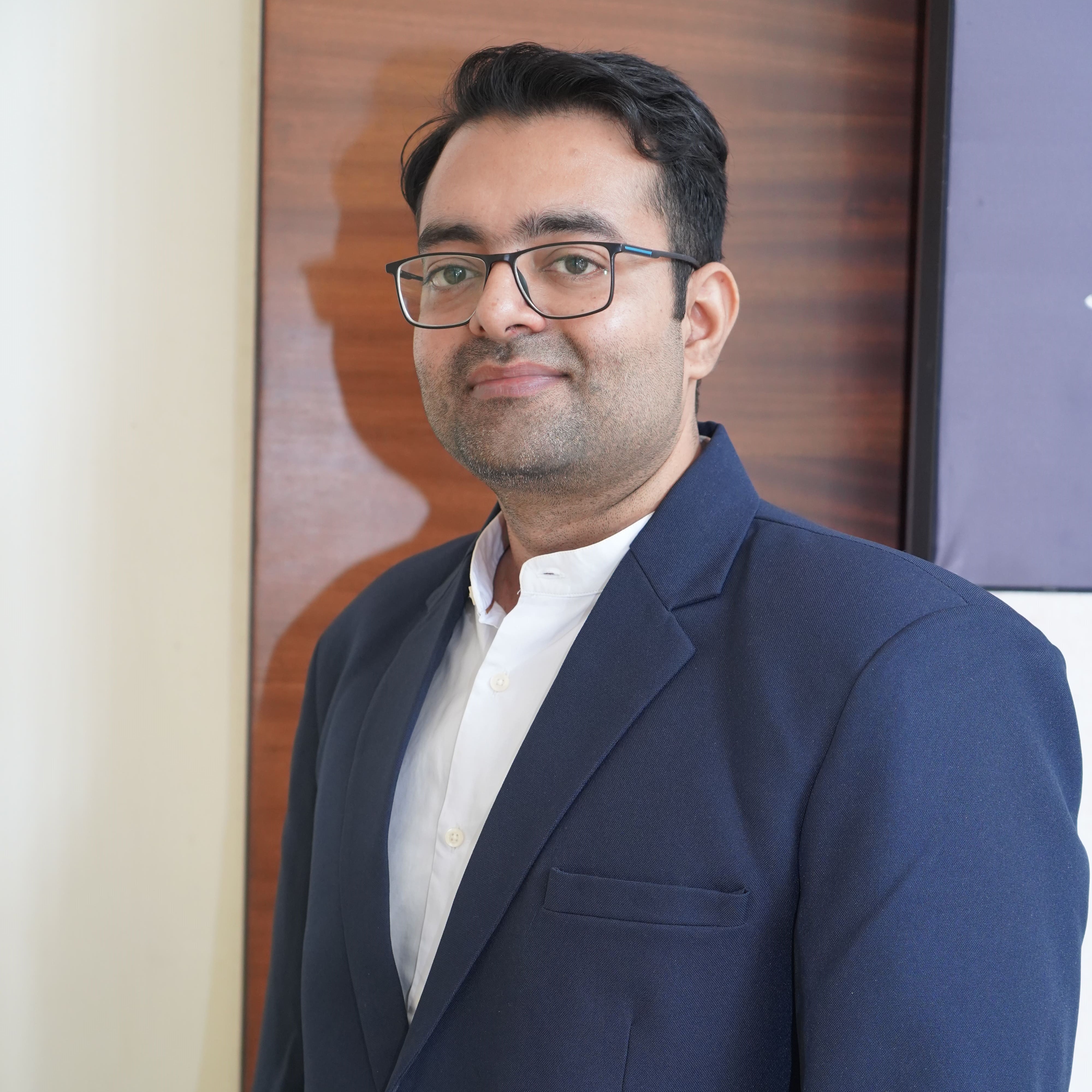
Dr. Shruti is an architect-urban planner with diverse experience of more than 15 years working with industry, academic institutions, and non-profits both in USA and India. She holds a master’s degree in Urban Environmental Planning from Arizona State University, USA; a bachelor’s in architecture from Pune University; and completed her Ph.D. from the School of Planning and Architecture, New Delhi. She brings extensive knowledge of urban planning, outstanding research and analytical skills, exceptional communication and academic writing abilities in her current role as an academic. Her teaching and research interests include Urban Housing, Renewal and Redevelopment, Gentrification, and Valuation of Properties. She also takes keen interest in Green Buildings, Environmental Impact Assessment, Environmental Planning and Sustainable Development.
Assistant Professor
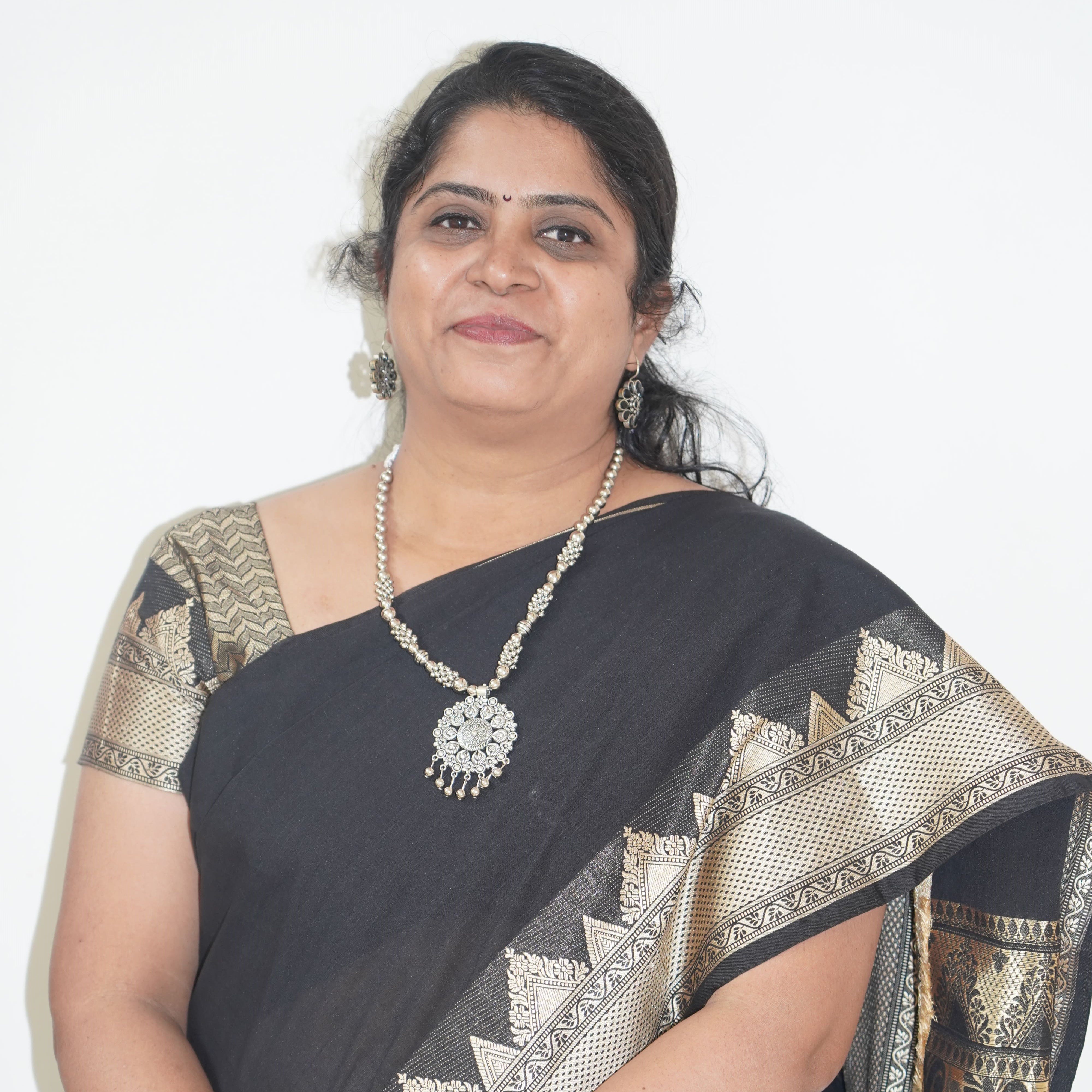
Dr. Kul Vaibhav Sharma is an academic in Urban Planning, with expertise in Remote Sensing, GIS, and Artificial Intelligence for sustainable urban development and environmental management. He holds a Ph.D. in Remote Sensing & GIS and an M.Plan in Urban Planning from Malaviya National Institute of Technology, Jaipur.
He combines teaching and industry experience, offering courses in Research Methodology, Advanced GIS, Software Applications in Urban Planning, Remote Sensing & Spatial Data Analysis, Urban Transport Planning, and Environmental Governance for Sustainability.
His research focuses on urban growth and land use modeling, disaster risk assessment, climate resilience planning, and geospatial solutions for infrastructure systems. He has published widely in reputed journals, serves as a reviewer, and holds design patents in infrastructure innovation.
Dr. Sharma is Assistant Professor in the School of Architecture and Planning, NICMAR University, contributing to research, teaching, and knowledge-building in urban planning and geospatial technologies.
Assistant Professor
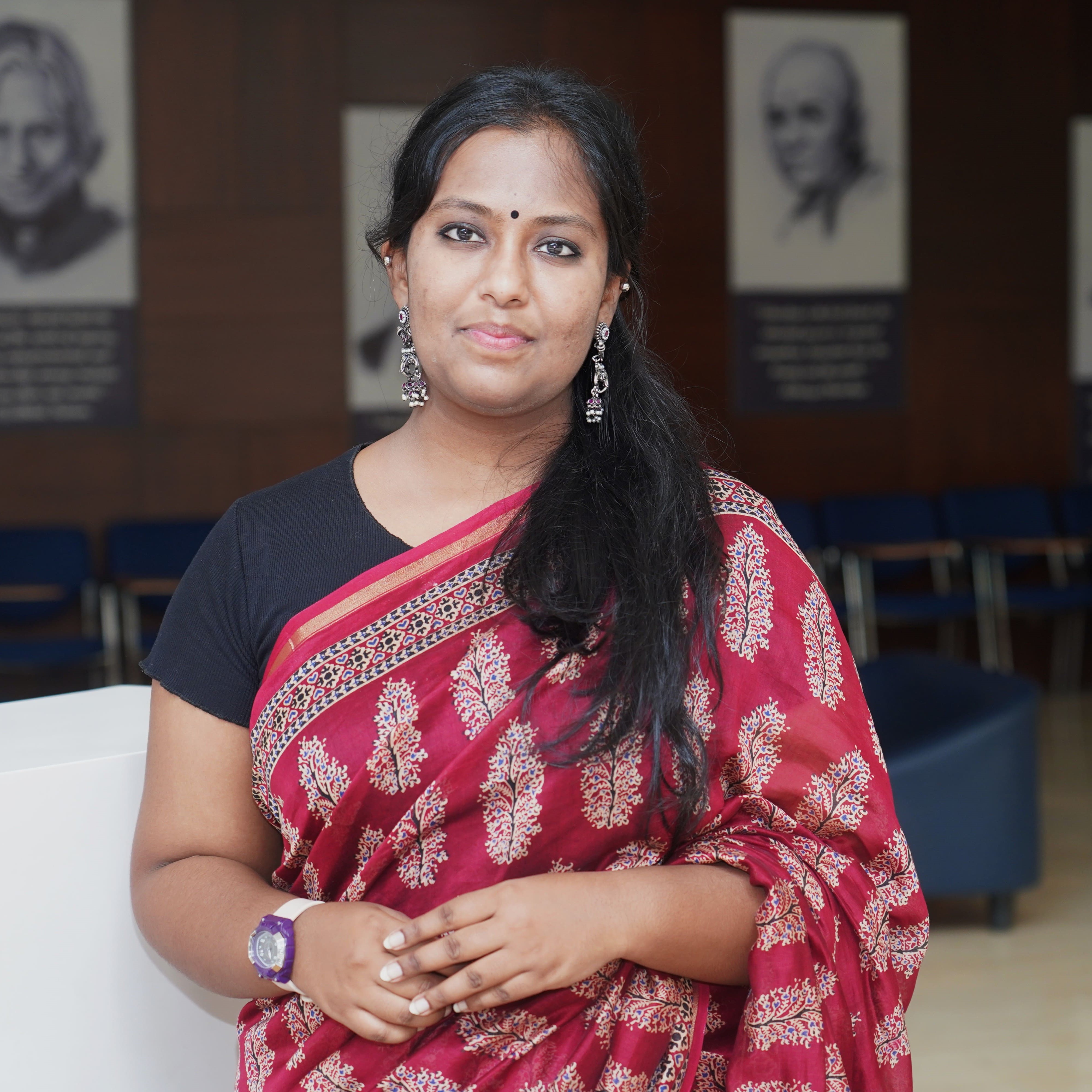
Prof. Rashmi Abhyankar is an accomplished architect and educator with 18 years of diverse professional experience . Her design philosophy harmonizes innovation, functionality, and sustainability, consistently exceeding client expectations. Holding a master’s degree in architecture with a specialization in Computer Applications, she integrates cutting-edge digital tools into both her practice and pedagogy.
Prof Rashmi has earned specializing in student-centered learning across core subjects like Architectural Design, Graphics, and Construction Technology, building services as well as electives including Urban Landscape and Digital Architecture. Her research interests include smart materials, parametric architecture, and urban landscapes.
Assistant Professor
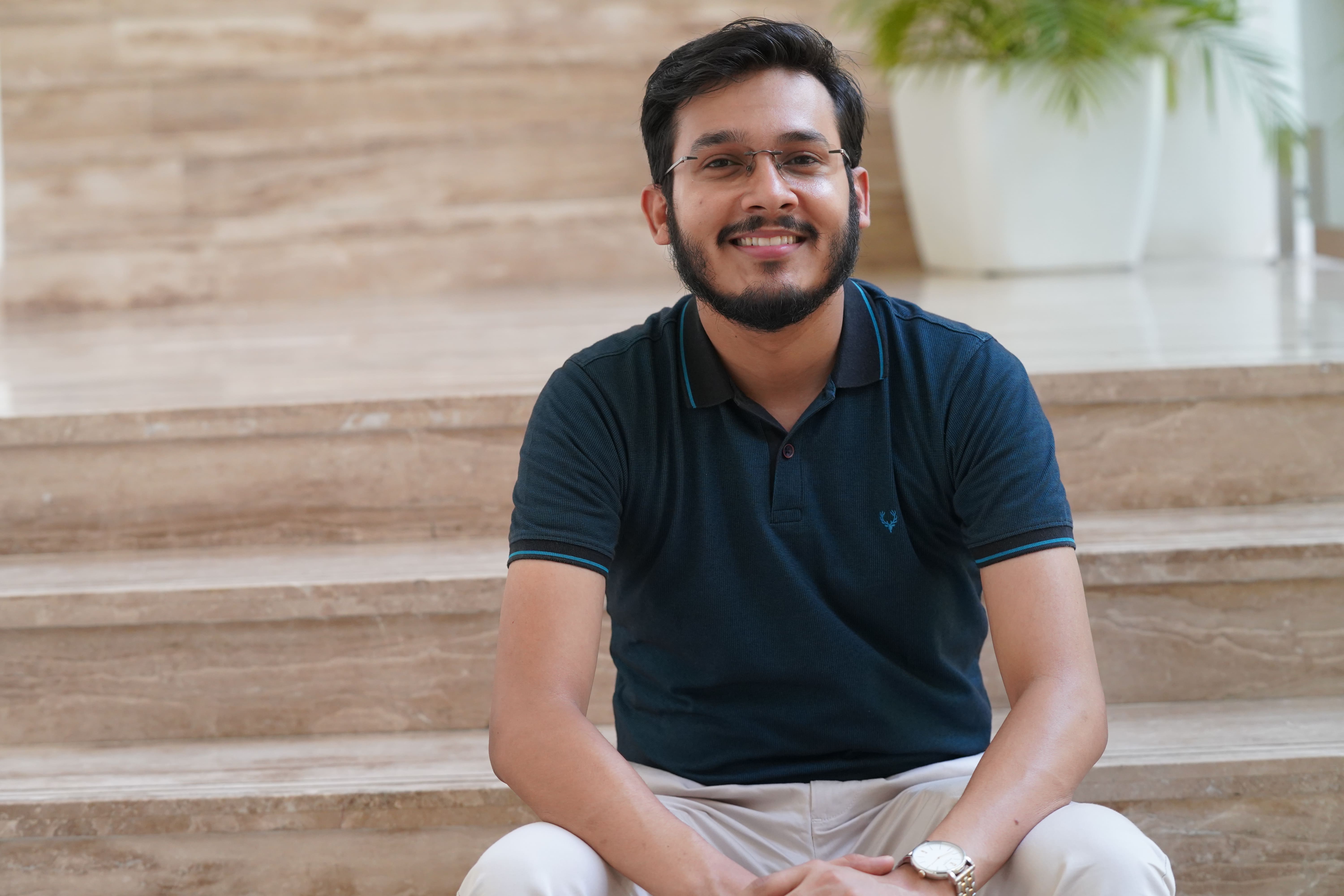
Sanyukta Shaw is an architect and urban designer. She has worked as an Urban Designer with Nagpur Smart City, gaining exposure to large-scale brownfield urban development projects with real-time interventions. She also contributed to the American Red Cross – Global Disaster Preparedness Centre as a Research Officer at VNIT, where she developed reform proposals to strengthen national heat action plan policies for vulnerable populations. In the corporate sector, she has managed architectural projects, interior design interventions, and real estate ventures across India.
Her research interests are built on her nationally shortlisted master’s thesis on integrating multimodal transport with futuristic commute systems through urban design tools, with the goal of creating a refined toolkit that advances multimodal transport and fosters harmonious urban spaces within national guidelines and the MoHUA. Her academic interests span throughout design, built environment behaviour studies, urban design, landscape design, history of architecture and human settlements, climatology, and vernacular architecture, and beyond.
Assistant Professor
Dr. Adil Ata Azmi holds a PhD in Transport Planning from the School of Planning and Architecture, Delhi. His doctoral research focused on the development of mechanism of compensation for road accident victims. He also holds a Gold Medal in B.Tech Civil Engineering, from Integral University , Lucknow.
His teaching and research interests include Road Safety, Traffic flow theories, Public Transport Systems along with Traffic simulations and modelling. He has been associated with several transportation and road safety projects across India and is an IRC-certified Road Safety Auditor.
Dr. Azmi has published research in reputed national and international journals and conferences. Prior to this he has been associated with prestigious institutes like SPA- Bhopal and COEP Tech University – Pune.
.jpg)
Associate Professor
Dr. Tanushri Mokde holds a Ph.D. in Urban Planning from Visvesvaraya National Institute of Technology (VNIT), Nagpur. Her doctoral research, “Assessing Density Pattern for Sustainability of Neighborhoods in Central Indian Cities,” examined the relationship between urban density and neighborhood sustainability in Indian cities.
She teaches Planning Studios, Research Methodology, Climate-Responsive Design, History of Architecture, and Construction Technology. She has published in leading SCI, SSCI, AHCI, and SCOPUS-indexed journals and serves as a reviewer for reputed international journals.
Happenings
1. Planning Studio – Development Plan
As part of the Planning Studio – Development Plan (Semester II),
first-year Master of Planning (M.Plan) students from the School of
Architecture and Planning, NICMAR University undertook an academic field
visit to Kashid–Murud and Agardanda from 17 to 23 January 2026. The
study tour was accompanied by Dr. Komal Handore and Dr. Priyanka
Bendigiri, who provided academic supervision and field-based guidance
throughout the visit.
The field exercise involved household, transport, and tourist surveys,
along with land-use ground truthing, enabling students to document
socio-economic, mobility, and spatial characteristics of coastal
settlements. Students also visited key government offices, including the
Murud Municipal Corporation, Tehsildar Office, Panchayat Samiti Office,
Gram Panchayats, and Nagar Panchayats, for secondary data collection and
expert interactions related to local governance and development
planning.
The University gratefully acknowledges the support of the Murud
Municipal Corporation for extending cooperation and providing essential
secondary data, which greatly enriched the students’ learning
experience.
Through direct engagement with communities and officials, students
examined issues related to coastal development, fishing-based
livelihoods, tourism pressures, infrastructure gaps, and environmentally
sensitive areas, strengthening their analytical, participatory, and
contextual planning skills.


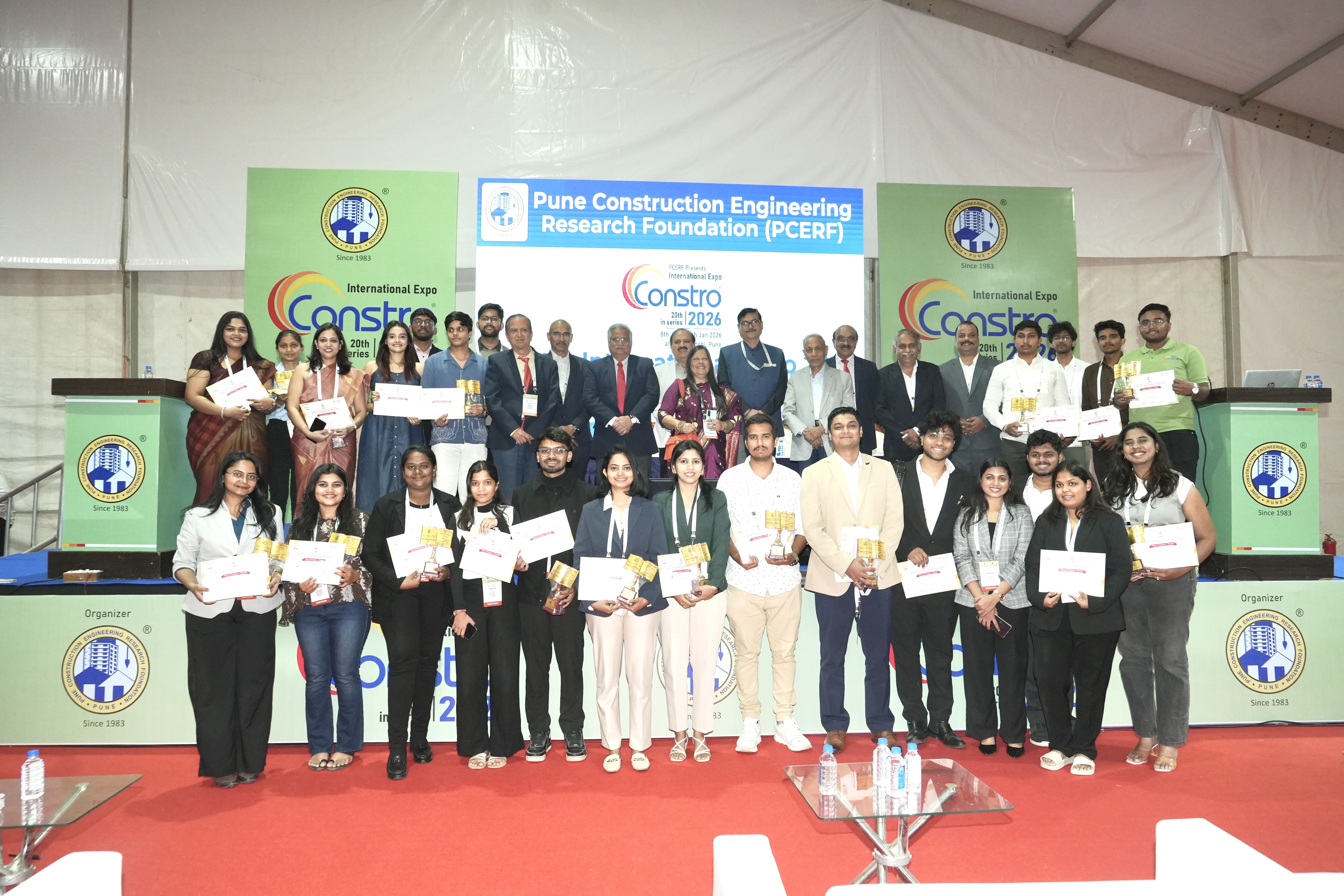
2. Awards received by M. Plan Students from the School of Architecture and Planning at the PCERF B. G. Shirke Vidyarthi Awards 2025
We, at the School of Architecture and Planning, NICMAR University, Pune,
are proud to celebrate the remarkable success of our Master of Planning
(Urban Planning) Batch–1(2023-2025) students—Ms. Payal More, Ms.
Vaishnavi Bampalwar, and Ms. Mayuri Dangle—who secured the 1st, 2nd, and
3rd prizes respectively in the M. Plan Thesis category at the Thesis
Awards organised by the Pune Construction Engineering Research
Foundation (PCERF) B. G. Shirke Vidyarthi Awards 2025.
The competition, launched as part of the 9th edition of the Vidyarthi
Awards (2025), witnessed participation across Architecture, Civil
Engineering, and M. Planning disciplines, with institutes such as COEP,
MIT ADT University, and Symbiosis Skills University.
Achieving top honours in this multidisciplinary platform reflects
exceptional research rigour and academic excellence.


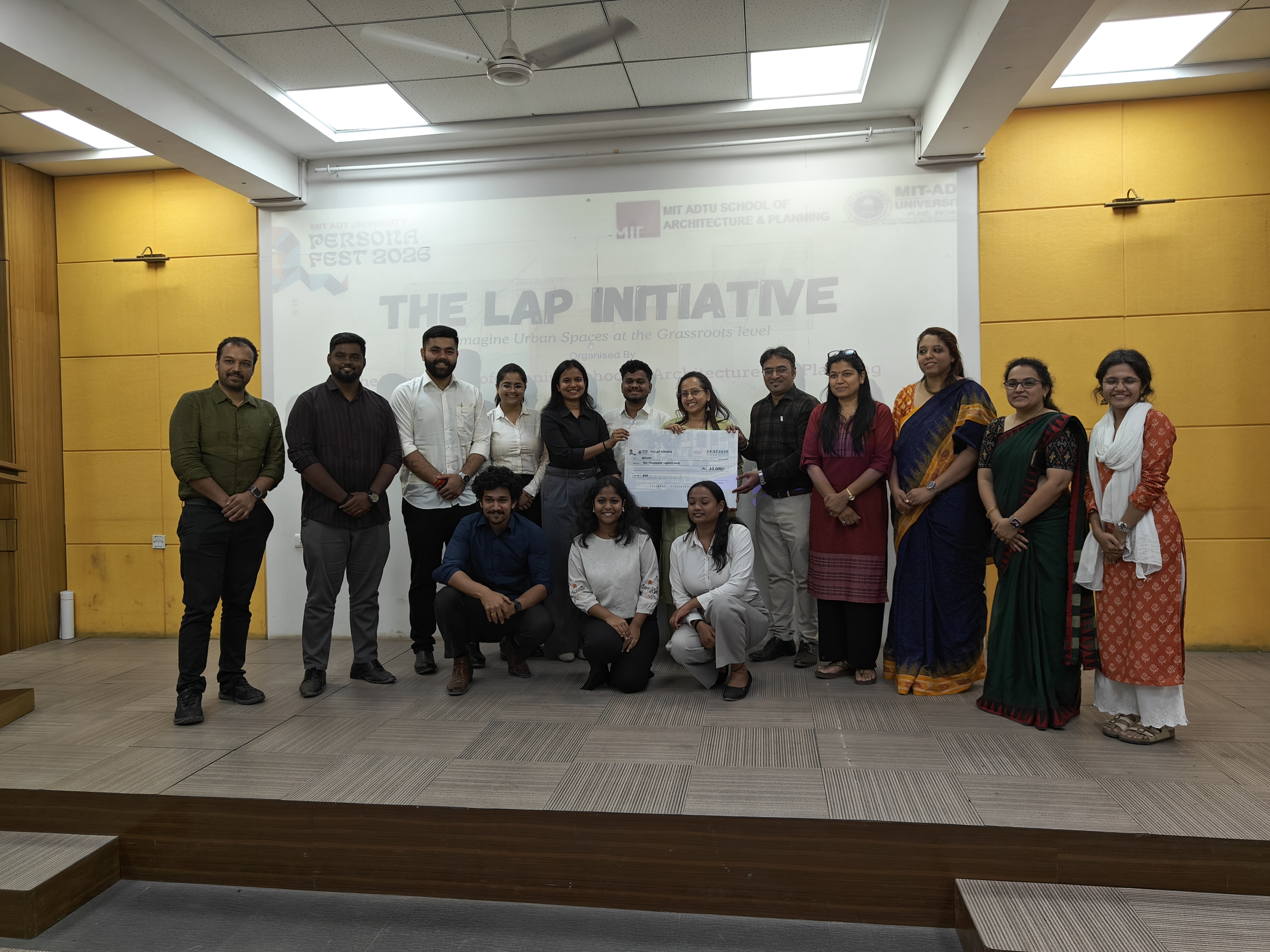
3. M.Plan students securing 1st Prize at The LAP Initiative
Congratulations to our Master of Planning (Urban Planning) first-year
students for securing 1st Prize at "The LAP Initiative", organized by
the Department of Planning, MIT ADT University, during Persona Fest 2026
bringing home the top honors and a cash prize of Rs 10,000!
Competing against talented UG and PG teams from this region, our
students showcased exceptional skill in reimagining urban spaces at the
grassroots level. Their winning entry focused on the historic Kasba Peth
area in Pune, where they developed a comprehensive Local Area Plan
(LAP) that balanced infrastructure, sustainability, and community needs,
through rigorous fieldwork, GIS mapping, and a thorough existing
situation assessment - and planning proposals that addressed local urban
issues with fresh, innovative approaches.
A special thank you to the faculty mentors Dr Shruti Vaishampayan,
Dr Poulomee Ghosh and visiting faculty Prof. Surya Prakash who guided
the team throughout this journey! We are incredibly proud of this
milestone as our students continue to shape the future of our cities.


4. DGPS Workshop for Planning and Spatial Data Collection
The School of Architecture and Planning organized a one-day hands-on
workshop on 13th February on “DGPS Applications in Planning and Spatial
Data Collection” for Master of Planning (Urban Planning) students. The
workshop was conceptualized to strengthen the practical and technical
competencies of students in geospatial data acquisition and its
applications in planning practice.
The workshop was organised and coordinated by Dr. Kul Vaibhav
Sharma and conducted by Mr. Gourav Walunj, Director, GP Consultants,
Solapur, as the resource person. The resource person, Mr. Gourav Walunj,
Director of GP Consultants, Solapur, is a practicing professional with
expertise in DGPS surveying, geospatial data management, and
consultancy-based planning projects. His industry experience ensured
that students gained exposure to current professional standards and
practices.
The primary objective of the event was to provide students with
real-world exposure to Differential Global Positioning System (DGPS)
technology, including its setup, operation, data collection methods (RTK
& GSM), and post-processing techniques. The motivation behind organizing
this workshop was to bridge the gap between theoretical GIS concepts
taught in courses such as Software Applications in Research and Advanced
GIS and Remote Sensing and their practical implementation in field
conditions.
The event was conducted in a workshop format, combining classroom
interaction with live demonstration and hands-on exposure to DGPS
equipment. This format directly aligned with the objective of skill
development and experiential learning.
The expected outcome of the event included improved understanding of
high-precision surveying tools, enhanced ability to collect and process
spatial data, and stronger integration of field data into planning
studios and research projects.


Visit School of Architecture and Planning
Spend the day soaking in the vibe. Take a guided stroll through the hotspots. See how well you fit in.
Schedule your visitNews & Updates
NICMAR University Pune Act (Mah. Act No. XXXVI of 2022) was passed by Maharashtra State Government on 16th March, 2022 and appeared in “Maharashtra Government Gazette” on 12th May 2022 .
NICMAR University, Pune is Indian Green Building Council (IGBC) Platinum Certified Green Campus

25/1, N.I.A. Post Office,
Balewadi, Pune – 411 045,
Maharashtra, India